
Madhya Pradesh High Court seeks answers on women-only reservation in nursing faculty recruitment
The Madhya Pradesh High Court has issued notices to the state government and the Madhya Pradesh Staff Selection Board (MPSSB) over a petition challenging an...
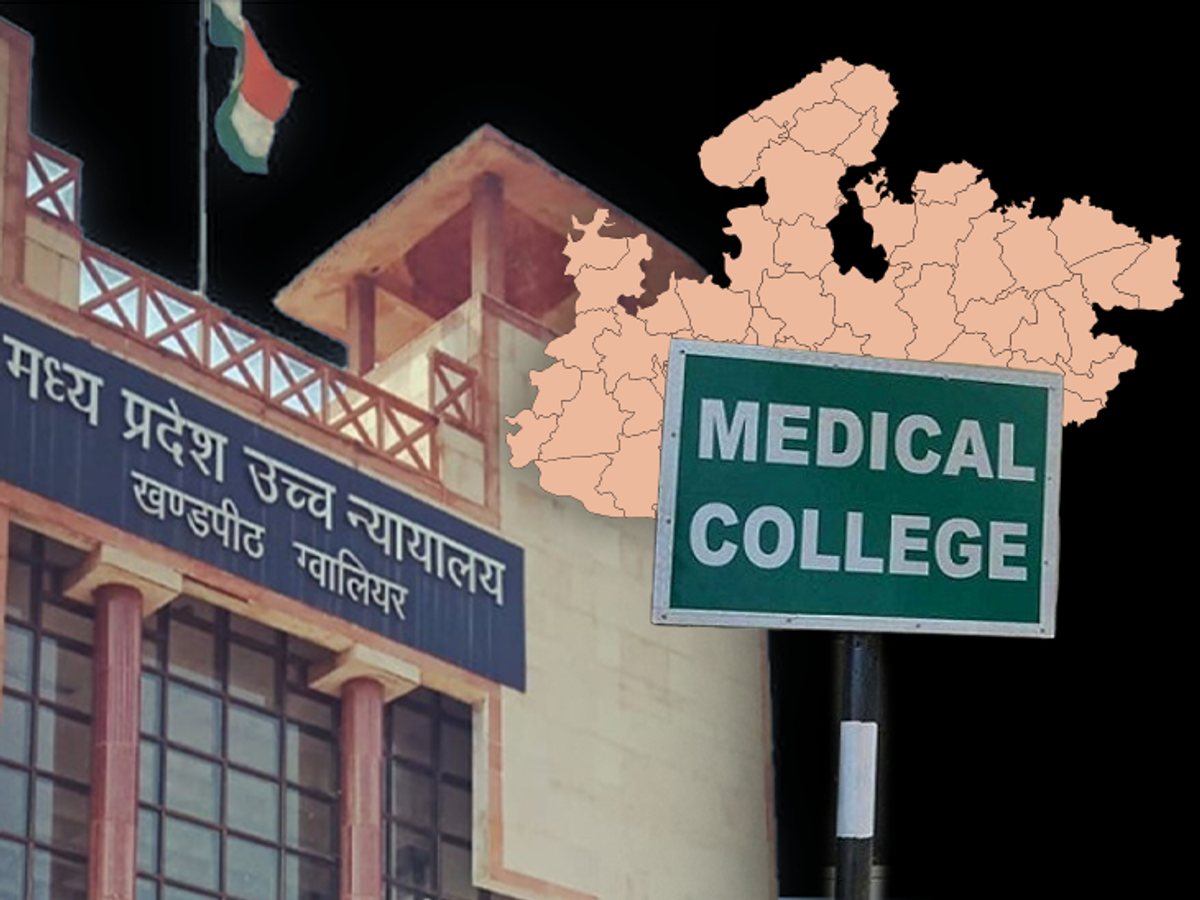
The Madhya Pradesh High Court has issued notices to the state government and the Madhya Pradesh Staff Selection Board (MPSSB) over a petition challenging an alleged 100 percent reservation for women in nursing faculty posts advertised for government colleges.
The court’s intervention comes after claims that the recruitment process excludes male candidates entirely, raising serious constitutional and regulatory concerns.
What the petition alleges
The petition was filed by Naushad Ali of Jabalpur, who has challenged the recruitment notification issued under the Group-1, Sub-Group-2 Combined Recruitment Examination 2025.
According to the petition:
-
All 286 advertised posts are exclusively reserved for women
-
The posts include 40 Associate Professors, 28 Assistant Professors, and 218 Sister Tutors
-
The positions are meant for government nursing colleges across Madhya Pradesh
The petitioner argues that this structure effectively bars male candidates from applying, which he says violates established reservation norms.
Constitutional and legal grounds cited
During the preliminary hearing, the petitioner’s counsel contended that the recruitment violates:
-
Articles 14, 15 and 16 of the Constitution, which guarantee equality before law and equal opportunity in public employment
-
Rules and guidelines of the Indian Nursing Council, which regulate faculty appointments
The petition also referred to the Supreme Court’s Indra Sawhney judgment, which laid down that total reservation in public employment should not exceed 50 percent, except in extraordinary circumstances.
High Court issues notice
After hearing the initial arguments, a vacation bench comprising Justices Amit Seth and Himanshu Joshi issued formal notices to:
-
The Madhya Pradesh government
-
The MP Staff Selection Board
-
Other concerned authorities
The court has sought detailed responses explaining the legal basis for the recruitment notification.
The matter has been scheduled for further hearing on January 5.
Why this case matters
Legal experts note that the case could have far-reaching implications for recruitment policies in Madhya Pradesh. A ruling against the notification may force authorities to rework reservation frameworks and revisit gender-based exclusions in public employment.
The issue also touches upon a broader debate on how affirmative action can be balanced with constitutional equality.
What to watch next
All eyes are now on the state government’s response and whether it can justify the recruitment under existing laws. The High Court’s next hearing on January 5 could determine whether the process is stayed, modified, or allowed to proceed under judicial oversight.