
Lunar Soil Discovery: Porous Layer Traps Water Ice Near Chandrayaan-3 Site
Scientists found a porous lunar layer trapping water ice, crucial for future Moon missions.
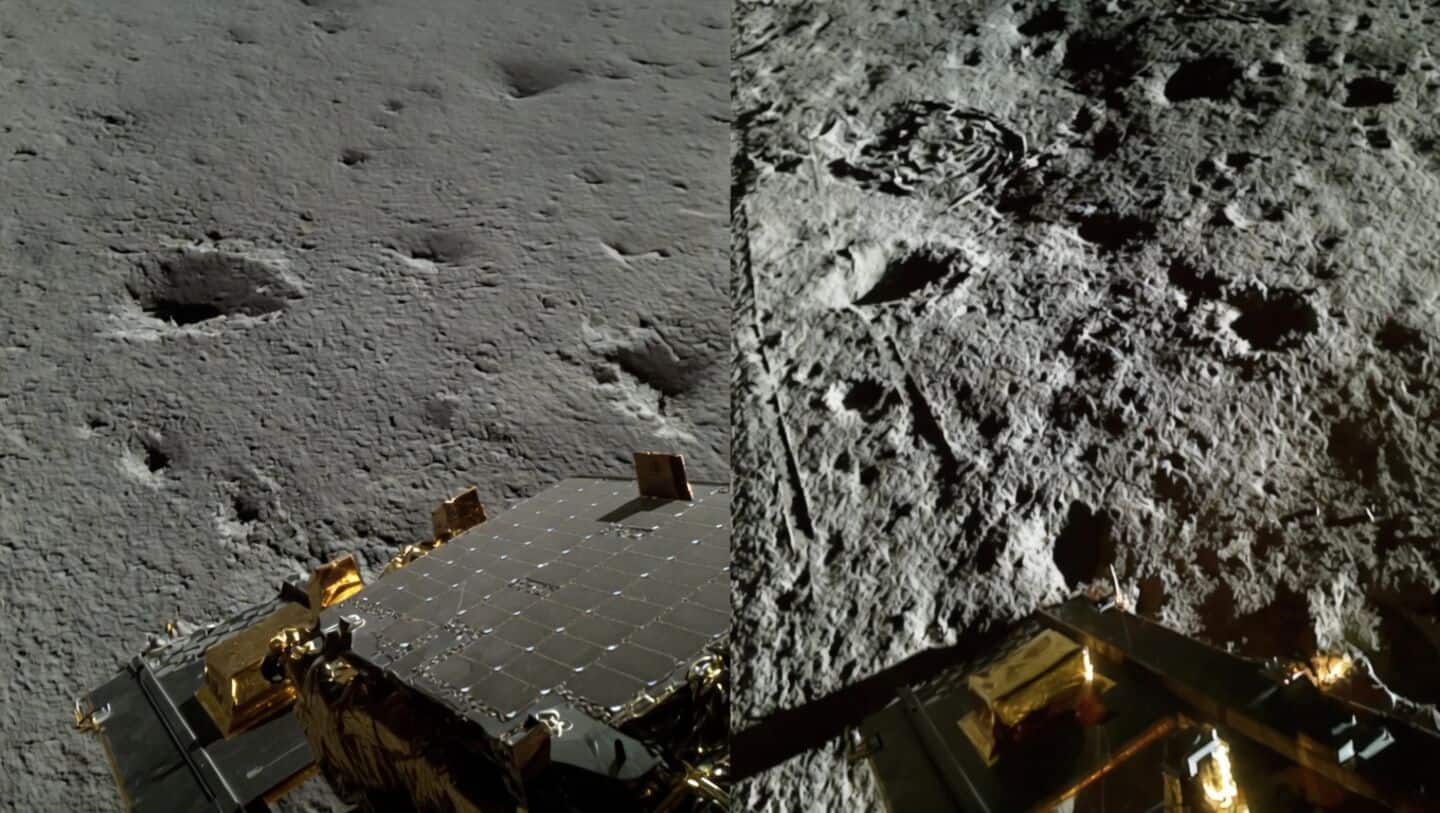
Top Summary
- What happened: PRL scientists discovered a porous, cake-like layer in lunar soil near Chandrayaan-3's Shiv Shakti Point.
- Why it matters: The porous layer acts as a thermal blanket, trapping water ice and making it vital for future lunar base site selection.
- What changes for people: This discovery provides detailed insight for planning future lunar missions and potential construction.
- Who is affected: Space agencies, future lunar explorers, and researchers studying the Moon are all affected.
Key Discovery at Shiv Shakti Point
Scientists at the Physical Research Laboratory (PRL) have made a groundbreaking discovery near the Chandrayaan-3 landing site. They found a unique, porous layer of lunar soil capable of trapping water ice.
This “cake-like” layered structure is located close to Shiv Shakti Point. The findings are published in the Astrophysical Journal.
The Porous Lunar Layer
The top layer, measuring only 2 to 6 cm deep, is exceptionally porous. It acts as a thermal blanket, effectively trapping water-ice molecules. This insulation is crucial for preserving water ice on the Moon's surface.
This discovery is significant for identifying suitable locations for future lunar bases. Access to water ice can provide essential resources like drinking water and rocket fuel.
Vikram Lander's Data
Data from the Vikram lander's hop provided valuable insights into the lunar soil's properties. Researchers were able to analyze deeper soil layers thanks to the hop maneuver.
Instruments recorded temperatures between 273 and 355 Kelvin. They also measured densities ranging from 750 to 1,600 kg per cubic meter in the top centimeters.
Micrometeorite Impacts and Lunar Surface
The study reveals that micrometeorite impacts played a key role in shaping these unique layers. These impacts contributed to the porous structure of the lunar soil.
The detailed information about the Moon's surface will be instrumental in planning future missions. It is also crucial for potential construction projects on the Moon.
What to Watch Next
Future research will likely focus on further characterizing the water ice trapped within the porous layer. Continued analysis of data from Chandrayaan-3 and future lunar missions will be essential for maximizing the potential of this discovery.