
Landmark Passive Euthanasia Case: Harish Rana Passes Away in Delhi
Harish Rana, India's first passive euthanasia recipient, died at AIIMS Delhi.
Top Summary
- What happened: Harish Rana, granted passive euthanasia by the Supreme Court, passed away at AIIMS Delhi on Tuesday.
- Why it matters: The case marks a pivotal moment in India's legal and medical history regarding end-of-life care.
- What changes: This case highlights the 2018 Common Cause judgment recognizing passive euthanasia under Article 21.
- Who is affected: Terminally ill patients, their families, and medical professionals involved in end-of-life decisions.
A Decade-Long Battle Ends
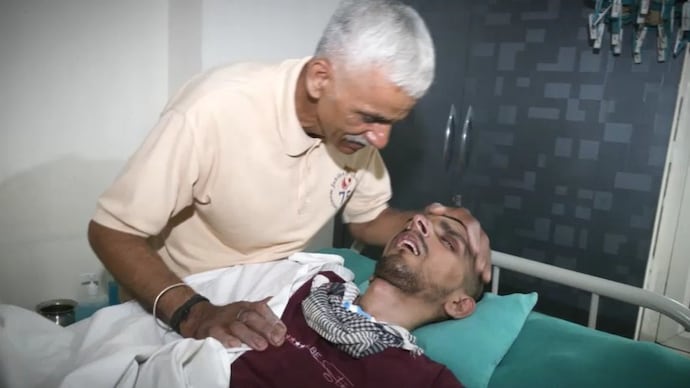
Harish Rana, 31, who had been in a vegetative state since 2013, passed away at AIIMS Delhi. He sustained severe head injuries after falling from a fourth-floor balcony while studying at Panjab University.
For over a decade, he relied on artificial nutrition and intermittent oxygen support to survive.
Supreme Court's Landmark Decision
On March 11, the Supreme Court of India approved passive euthanasia for Rana, directing doctors to withdraw life support with dignity.
This decision was a watershed moment, addressing the complex ethical and legal considerations of end-of-life care.
Medical Protocol at AIIMS
Rana was transferred to AIIMS Delhi's palliative care unit on March 14.
A multidisciplinary team, headed by Dr. Seema Mishra, implemented the withdrawal process, ensuring the patient's comfort and dignity.
The team comprised experts from neurosurgery, onco-anaesthesia, palliative medicine, and psychiatry.
The Legal Journey
The family's pursuit of euthanasia for Harish Rana involved a lengthy legal battle. Initially, the Delhi High Court rejected their plea in 2024.
The family then approached the Supreme Court, which reviewed detailed medical assessments before issuing its March 11 verdict.
The court referenced the 2018 Common Cause judgment, affirming the right to die with dignity under Article 21.
Medical boards determined Rana's condition was irreversible, with no chance of recovery, influencing the court's final decision.
The Supreme Court also encouraged the Central Government to develop a comprehensive legal framework to guide future end-of-life decisions.
Evolving Approach to End-of-Life Care
Harish Rana's case underscores India's evolving perspective on end-of-life care, emphasizing dignity, medical ethics, and legal safeguards.
His case serves as a precedent for future cases involving passive euthanasia and the right to die with dignity.
What to Watch Next
The Centre's response to the Supreme Court's suggestion for a comprehensive legal framework on end-of-life decisions will be crucial. The development of this framework will impact future cases and the overall approach to end-of-life care in India.