
Lancet Flags Rising Threat of Ultra-Processed Foods in India as Obesity and Diabetes Surge
A landmark Lancet Series warns India is entering a dangerous phase of diet-linked disease, driven by the rapid spread of ultra-processed foods. Experts say the...
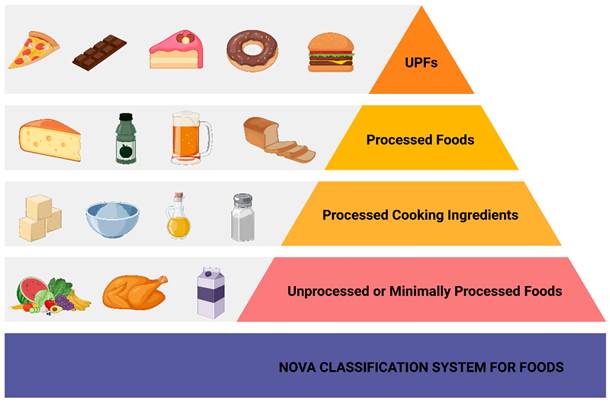
A landmark Lancet Series warns India is entering a dangerous phase of diet-linked disease, driven by the rapid spread of ultra-processed foods. Experts say the country can no longer delay regulation.
Ultra-processed foods (UPFs) — from instant noodles and chips to packaged drinks and sweetened cereals — have quietly reshaped eating habits across India. Now, new global evidence published in The Lancet raises alarm that these industrially manufactured products are significantly accelerating the rise of obesity and diabetes worldwide, with India already feeling the impact.
The three-paper Series analysed 104 international studies. A remarkable 92 found a clear connection between UPF-dominant diets and chronic health problems. Meta-reviews covering 15 health indicators found strong associations in 12 areas, including type 2 diabetes, obesity, cardiovascular risk and even mental-health conditions such as depression.
Although no India-specific UPF research exists — a major gap highlighted by the authors — public health specialists warn that the country is experiencing the same dietary shift described globally.
Why It Matters for India
India’s rapidly growing disease burden underscores the urgency. The ICMR–INDIAB-17 (2023) survey estimated:
-
28.6% of adults are obese
-
11.4% live with diabetes
-
15.3% have prediabetes
-
Nearly 40% show abdominal obesity
-
Childhood obesity rose from 2.1% to 3.4% between NFHS-4 and NFHS-5
Experts say UPFs play a critical role in this trajectory by replacing traditional, minimally processed meals that once formed the backbone of Indian diets.
Experts Call for Stronger National Policy
Dr. Vandana Prasad, community paediatrician and technical advisor at the Public Health Resource Society, says India cannot keep treating UPFs like ordinary junk food. She notes that companies tweak salt or sugar levels to avoid being labelled “high fat, sugar or salt,” yet the products remain ultra-processed because they still contain emulsifiers, stabilisers and flavour-enhancing additives.
She argues for a clear legal definition of UPFs, mandatory front-of-pack warning labels, advertising restrictions, a tax on UPFs, and subsidies that make fresh foods more affordable. “Healthy eating cannot rely only on personal willpower when the food environment is engineered for overconsumption,” she has emphasised in public health discussions.
Dr. Arun Gupta, a paediatrician and co-author of the Lancet Series, warns that India is in the midst of the very transition documented globally — traditional meals are rapidly being replaced by highly marketed industrial foods, particularly among children. Without national data on UPF consumption, he cautions, policymakers will lack the evidence needed to curb rising metabolic diseases.
Health Impacts Go Beyond Calories
According to Prof. K. Srinath Reddy, Chancellor of PHFI University of Public Health Sciences, UPFs do more than add excess sugar or fat. By displacing whole foods, they can weaken immunity, heighten inflammatory responses, and increase long-term vulnerability to chronic illnesses. He supports strict oversight of manufacturing, clearer ingredient listings, and a ban on celebrity endorsements that glamorise UPFs.
A Critical Moment for Public Health
From school tiffins and office cafeterias to small shops in rural towns, UPFs now occupy a substantial share of India’s food landscape. Public health experts see this moment as decisive: without targeted regulation and meaningful consumer education, India may struggle to contain the growing epidemic of lifestyle-related diseases.
The Lancet Series sends a clear message — controlling the spread and marketing of ultra-processed foods must become a national health priority.