
Lalu Prasad Yadav to Face Trial in Land-for-Jobs Case as Court Orders Charges Framed
What happened: A Delhi court has ordered framing of charges against Lalu Prasad Yadav and others in the land-for-jobs scam, clearing the way for a...
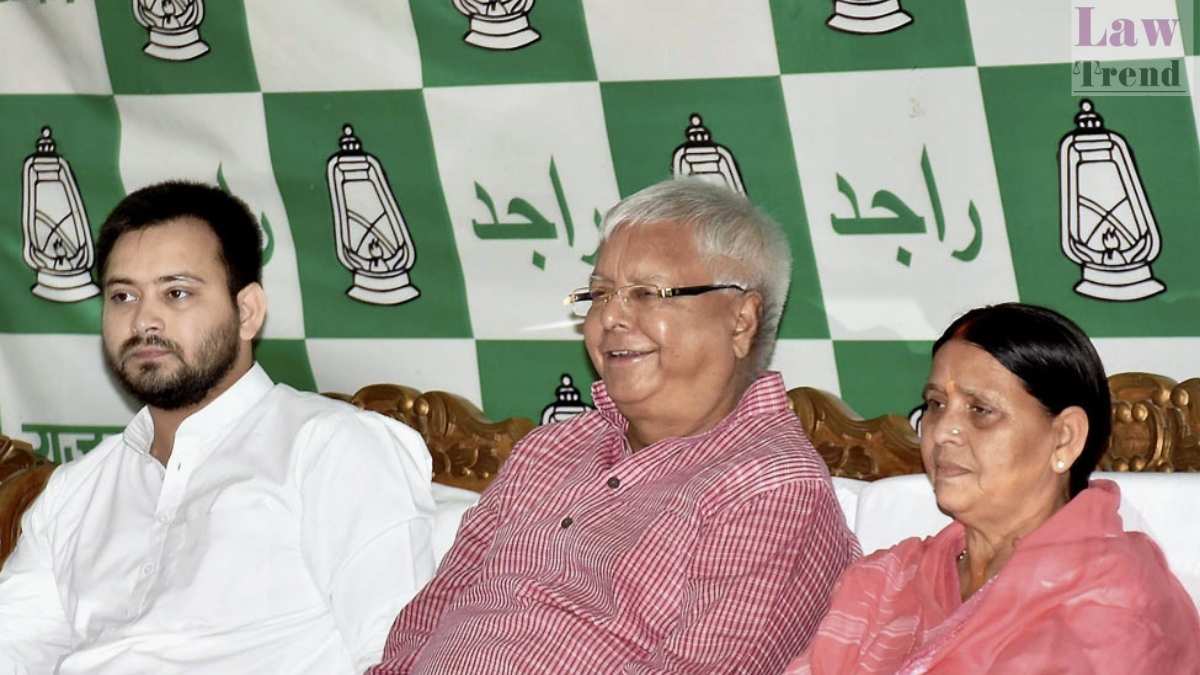
What happened: A Delhi court has ordered framing of charges against Lalu Prasad Yadav and others in the land-for-jobs scam, clearing the way for a full criminal trial.
Why it matters now: The decision moves a long-running investigation into its most decisive phase, with evidence set to be tested in open court.
What changes for people: The case now shifts from preliminary scrutiny to trial, increasing legal accountability and political scrutiny.
Who is affected: Lalu Prasad Yadav, his family members named in the case, former Railway officials, and the wider political landscape in Bihar and at the national level.
A special court in New Delhi has cleared the decks for a criminal trial against Rashtriya Janata Dal chief Lalu Prasad Yadav in the land-for-jobs corruption case, ordering that formal charges be framed. The ruling marks a crucial legal turn in a case that has carried major political implications for years.
What the court decided
The court said the material placed by investigators was sufficient to proceed to trial. With this order, the prosecution will now present witnesses and evidence, while the accused will get the opportunity to challenge the claims during the trial process.
Officials familiar with the proceedings said the court carefully examined the charge sheet and submissions before concluding that the case warranted a full trial under relevant corruption and criminal conspiracy provisions.
Understanding the land-for-jobs case
The case relates to allegations that when Lalu Prasad Yadav was Union Railway Minister between 2004 and 2009, jobs in the Indian Railways were allegedly offered in exchange for land parcels transferred to his family members or associates.
The investigation, led by the Central Bureau of Investigation, claims that properties were acquired at prices far below market value, raising suspicions of quid pro quo arrangements linked to recruitment.
Why this ruling is significant
Legal experts say the framing of charges is a major threshold. It means the court believes there is enough prima facie evidence to examine the accusations in detail.
For governance and public trust, the case revives questions around transparency in public recruitment and the use of political power. It also adds pressure on political parties to address corruption allegations as election cycles approach.
Political and legal reactions
Sources in investigative agencies described the order as a validation of the probe conducted so far. Leaders from opposition parties said the trial would test the credibility of the allegations, while RJD leaders have maintained that the case is politically motivated and have expressed confidence in the judicial process.
The defence is expected to contest the charges vigorously once the trial begins.
What happens next
With charges set to be framed, the court will fix dates for the next stage of proceedings, including recording of evidence and witness examinations. The trial is expected to be closely watched due to the stature of those involved and its potential political fallout.