
Lalit Modi’s London Party Video With Vijay Mallya Rekindles Spotlight on India’s High-Profile Economic Fugitives
A social media video shared by former Indian Premier League (IPL) chief Lalit Modi from a private birthday party in London has reignited public and...
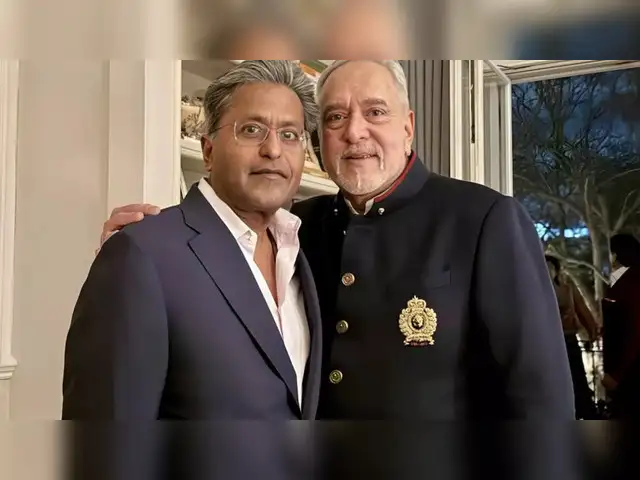
A social media video shared by former Indian Premier League (IPL) chief Lalit Modi from a private birthday party in London has reignited public and political attention in India, after Modi and liquor baron Vijay Mallya jokingly referred to themselves as the country’s “biggest fugitives.”
The clip, posted on Lalit Modi’s verified Instagram account, shows the two men celebrating Mallya’s 70th birthday at a gathering attended by friends and international guests. The post has triggered renewed debate over India’s long-running efforts to bring back economic offenders who are fighting extradition cases abroad.
A Viral Video and a Provocative Caption
In the video, Lalit Modi can be heard describing himself and Mallya as fugitives, a remark that appeared deliberately provocative. The accompanying caption suggested the post was aimed at stirring reaction in India, particularly among the media.
The post followed earlier images and videos from the celebrations held at Modi’s residence in London’s Belgrave Square. Those posts described the event as a private gathering for Mallya’s family and friends, some of whom had travelled from different parts of the world.
Photos circulating online from the event showed several well-known personalities, including British actor Idris Elba and Indian business leaders such as Biocon founder Kiran Mazumdar-Shaw. None of the guests have commented publicly on the controversy surrounding the video.
Who Are Lalit Modi and Vijay Mallya?
Both men are among India’s most prominent economic offenders, each facing serious legal action at home.
Lalit Modi, the architect of the IPL, left India in 2010 amid allegations of financial irregularities during his tenure at the cricket league. He has consistently denied wrongdoing and has remained overseas since then.
Vijay Mallya, once known as the “King of Good Times,” is wanted by Indian investigative agencies on charges of fraud and money laundering linked to loans taken by the now-defunct Kingfisher Airlines. Indian authorities estimate the dues to banks at over ₹9,000 crore. Mallya has also denied criminal intent, maintaining that business failure—not fraud—led to Kingfisher’s collapse.
Legal Status in the UK
Mallya has been living in the United Kingdom for several years and is currently out on bail while contesting his extradition to India. UK courts have previously ruled in favour of extradition, but the process has not concluded due to ongoing legal proceedings.
According to court records and statements from Indian lenders, a consortium of banks led by the State Bank of India (SBI) recently succeeded in upholding a UK bankruptcy order against Mallya. The judgment relates to a debt of approximately £1.05 billion owed by Kingfisher Airlines.
In October, UK filings showed that Mallya had withdrawn an application seeking to overturn that bankruptcy order. As a result, the court-appointed trustee is now free to continue identifying and recovering assets on behalf of the banks. Mallya has stated through past legal submissions that some matters before UK authorities remain confidential, reportedly including issues related to his immigration or asylum status.
Why the Episode Matters
The video has resonated strongly in India because it touches a raw nerve: the perceived inability of Indian authorities to swiftly repatriate high-value economic offenders. Successive governments have highlighted extradition as a priority, particularly in cases involving large public-sector bank losses.
Legal experts note that while extradition decisions rest with foreign courts, public displays like this can complicate diplomatic optics. “Such incidents tend to fuel domestic anger and put pressure on governments, even though extradition is ultimately a judicial process governed by international treaties,” said a former Indian prosecutor familiar with cross-border financial crime cases.
Official Silence, Public Reaction
So far, Indian investigative agencies have not commented on the social media post. However, past statements from the Enforcement Directorate (ED) and the Central Bureau of Investigation (CBI) have reiterated that efforts to bring Mallya back to India are ongoing through legal and diplomatic channels.
Online, the video has drawn sharp criticism from political leaders and social media users, many of whom see it as insensitive to Indian taxpayers and banks still seeking recovery of dues.
The Bigger Picture
The episode underscores the challenges India faces in tackling complex, cross-border financial crimes. While asset recovery has seen some success through international courts, extradition remains slow and uncertain.
For now, a celebratory video meant to “break the internet” has instead reopened a broader conversation about accountability, justice, and the limits of international law in an increasingly globalised financial world.