
Kis Kisko Pyaar Karoon 2 – Comedy With Heart and Conscience
When Kapil Sharma rose to fame with his 2013 comedy show, his humor often landed at the expense of others, especially the powerless. Yet, his...
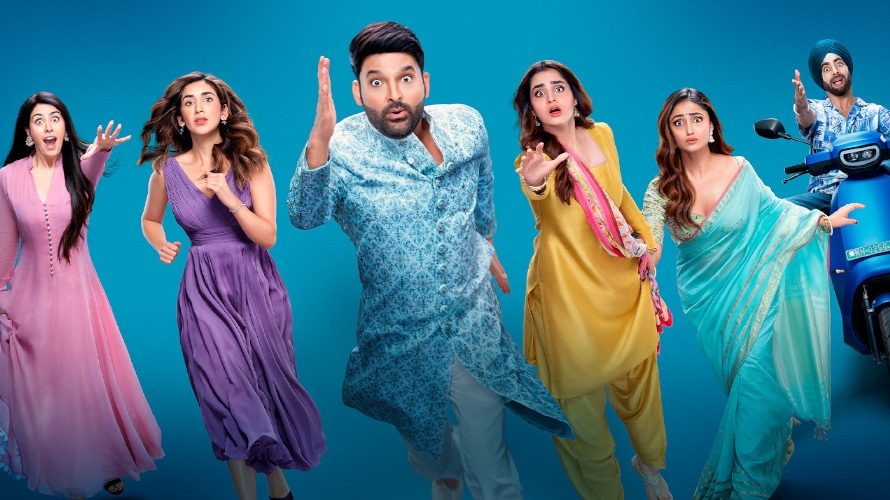
When Kapil Sharma rose to fame with his 2013 comedy show, his humor often landed at the expense of others, especially the powerless. Yet, his impeccable timing and relatable middle-class persona made audiences forgive the crudeness. His film debut, Kis Kisko Pyaar Karoon (2015), carried over the same irreverent humor, with flirtations and innuendos dominating the narrative. The sequel, however, marks a remarkable course correction. Kapil and writer-director Anukalp Goswami inject conscience into the humor, allowing punchlines to land with both warmth and wit.
Plot Overview
Mohan Sharma (Kapil) is a man caught in a comic tangle of multiple marriages. To be with Sanya (Hira Warina), he converts to Islam and marries her sister by accident. On top of that, his parents force him to marry Meera (Tridha Choudhary), and Sanya later converts to Christianity and plans a church wedding in Goa, leading to a third unintended marriage with Jenny (Parul Gulati). The film follows Mohan navigating this chaos while upholding love, empathy, and secular values.
Comedy With Substance
What sets the sequel apart is its self-aware humor. Even amid slapstick chaos, the writing occasionally allows for quiet profundity. When asked if he would change religion for love, Mohan replies, “Pyaar badalne ka nahi, apnane ka naam hai” — a line that encapsulates the film’s thematic shift from crude gags to thoughtful comedy. Similarly, Asrani’s polyglot priest reinforces inclusivity, asserting that prayers can be offered in any language.
A standout sequence during a Republic Day school celebration uses absurdity to celebrate communal harmony. Mohan, married under three different identities, becomes an allegory for secular India — a clever balance of laughs and meaningful social commentary.
Character Development and Sensitivity
Unlike the first film, women in Kis Kisko Pyaar Karoon 2 are more humanized. While their identities are still tied to marriage, they are given agency and personality beyond caricature. Mohan, too, is more empathetic; his discomfort with his predicament and sincere attempts to honor commitments mark him as a more conscientious protagonist. Even jokes involving trans characters or moral policing are handled with sensitivity, allowing audiences to laugh with the characters rather than at them.
Performance
Kapil Sharma anchors the film with charm and restraint. His timing is as sharp as ever, but it is guided by empathy, giving his comedy purpose. Manjot Singh adds delightful support, and Hira Warina, Tridha Choudhary, and Parul Gulati bring warmth and relatability to their roles. Anukalp Goswami’s writing complements the performances, balancing slapstick with subtle social commentary.
Verdict
Kis Kisko Pyaar Karoon 2 is a rare sequel that matures its humor without losing its energy. The film balances laughter with a conscience, turning a farcical premise into a heartwarming, socially aware comedy. It’s reminiscent of classic Priyadarshan comedies while nodding to the pluralistic optimism of Amar Akbar Anthony (1977).
For those seeking laughs with substance, this is a fun, entertaining ride that leaves you smiling and thinking.
Rating: ★★★★☆ (4/5)