
King Charles Strips Prince Andrew of All Royal Titles and Honors, Orders Him to Vacate Windsor Residence
King Charles Acts to End a Royal Crisis Buckingham Palace confirmed on Thursday that King Charles III has initiated a formal process to strip Prince...
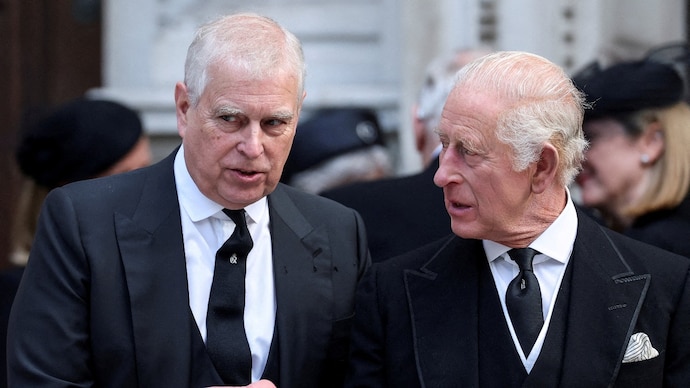
King Charles Acts to End a Royal Crisis
Buckingham Palace confirmed on Thursday that King Charles III has initiated a formal process to strip Prince Andrew of all his royal styles, titles, and honours. The move comes after years of public scrutiny surrounding the Duke of York’s ties to the late convicted sex offender Jeffrey Epstein and the sexual assault allegations made by Virginia Giuffre.
The palace said Andrew will henceforth be known simply as Andrew Mountbatten Windsor, marking a decisive end to his royal identity. The king has also ordered him to vacate his residence, Royal Lodge in Windsor, where he has lived for over two decades.
According to palace officials, “formal notice has now been served to surrender the lease,” and Andrew will relocate to a privately funded property on the Sandringham estate in Norfolk. His former wife, Sarah Ferguson, will also leave Royal Lodge and arrange separate living accommodations.
Titles, Honours, and Peerages Revoked
The order removes Andrew’s titles of Prince, Duke of York, Earl of Inverness, and Baron Killyleagh, as well as his style “His Royal Highness”. His appointments as Knight Grand Cross of the Royal Victorian Order and Royal Knight Companion of the Order of the Garter have also been revoked.
While Andrew had stopped using the HRH style in 2022, Thursday’s announcement makes the change formally binding and permanent. The lord chancellor will now remove the dukedom and subsidiary peerages from the official roll of the British peerage.
Buckingham Palace’s statement added:
“These censures are deemed necessary, notwithstanding the fact that he continues to deny the allegations against him. Their Majesties wish to make clear that their thoughts and utmost sympathies have been, and will remain with, the victims and survivors of any and all forms of abuse.”
The Epstein Connection and Public Pressure
The decision follows renewed controversy over Giuffre’s posthumous memoir, published earlier this month, in which she described the trauma she endured and her encounters with Andrew. Giuffre died by suicide in April at age 41, but her family has continued her campaign for accountability.
Her relatives released a statement saying:
“Virginia brought down a British prince with her truth and extraordinary courage. She never stopped fighting for survivors like her.”
Andrew has consistently denied Giuffre’s claims that he had sex with her when she was 17, and in 2022 he settled a civil lawsuit for a reported £12 million, without admitting liability.
Political and Public Reaction
The king’s decision has drawn bipartisan support in the UK. Conservative leader Kemi Badenoch acknowledged that the move “must have been very difficult” for the monarch but said it was “right that the public no longer tolerate allegations of sexual abuse without accountability.”
Culture Secretary Lisa Nandy described the step as “brave and important,” adding that it “sends a powerful message to survivors that no one is above responsibility.”
Across the Atlantic, U.S. Congressman Suhas Subramanyam, who previously called for Andrew to testify before Congress about his connection to Epstein and Ghislaine Maxwell, urged him to now “come forward with what he knows.”
“It’s not enough to relinquish titles or retreat from public life,” Subramanyam said. “He owes the victims the truth.”
Behind the Palace Decision
Royal insiders say King Charles acted with the backing of Prince William and after extensive consultation with government authorities, including the Cabinet Office and the Crown Estate. Sources suggest the decision was timed to “bring closure to a painful chapter” for the monarchy.
Although Parliament could have moved to abolish Andrew’s dukedom by statute, the king reportedly preferred to handle the matter through royal prerogative, to avoid diverting legislative focus from national issues.
By formally severing Andrew from the royal establishment, Charles aims to protect the institution’s integrity and prevent ongoing reputational harm to the monarchy.
What Happens Next
Andrew’s move to Sandringham is expected “as soon as practicable,” according to palace officials. His future income will come from a private provision by the king, and he will no longer receive royal funding or hold official patronages.
Meanwhile, his daughters, Princess Beatrice and Princess Eugenie, retain their royal titles as granddaughters of a monarch, in accordance with King George V’s 1917 letters patent.
Analysts believe this marks a definitive end to Prince Andrew’s public role within the royal family—a move intended to reinforce modern standards of accountability and transparency in the House of Windsor.