
Kidney Disease: The Silent Crisis Putting Women Over 40 at Growing Risk
Kidney disease rarely announces itself with pain or dramatic symptoms. Instead, it progresses quietly—often unnoticed—until significant damage has already occurred. That silence is why health...
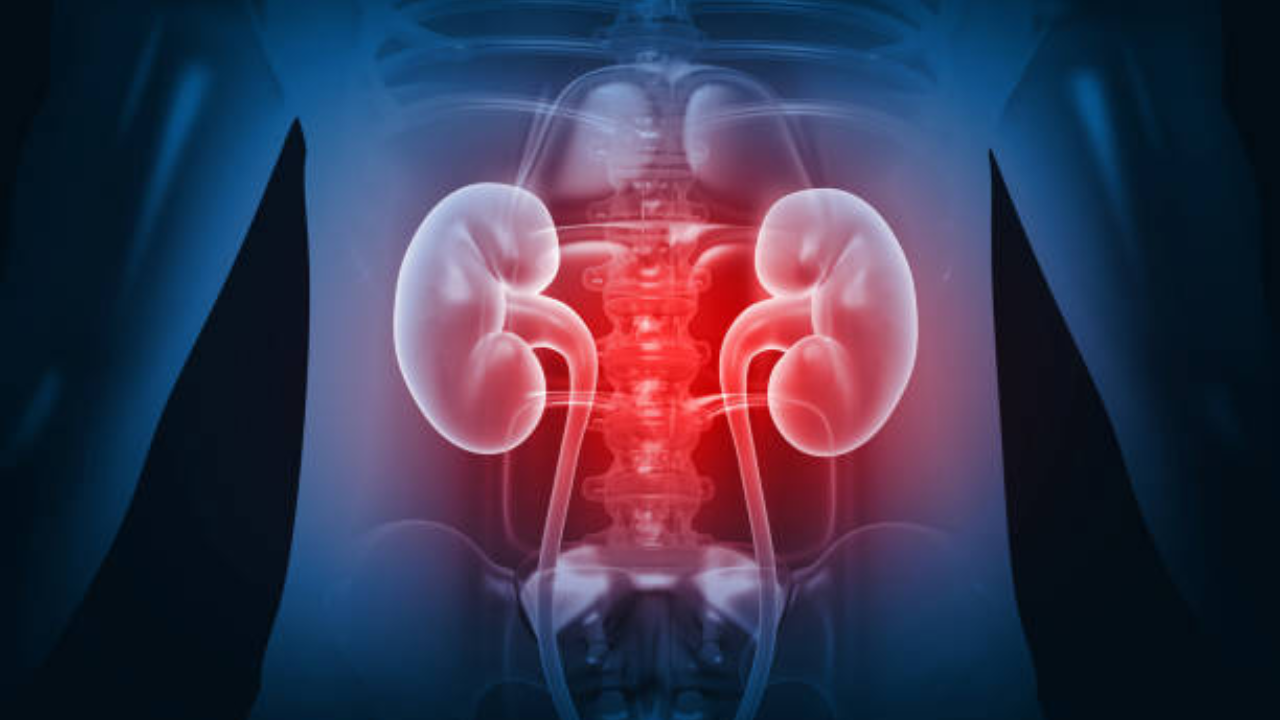
Kidney disease rarely announces itself with pain or dramatic symptoms. Instead, it progresses quietly—often unnoticed—until significant damage has already occurred. That silence is why health experts now describe kidney disease as a global public health crisis, particularly dangerous for women over the age of 40.
Worldwide, an estimated 800 million people are living with some form of kidney disease, many unaware of their condition. In India alone, around 16% of the population—nearly 200 million people—suffers from chronic kidney disease (CKD), largely driven by rising cases of diabetes and hypertension, according to medical experts.
Why Kidney Disease Often Goes Undetected
The kidneys are remarkably resilient organs. Even when under stress, they continue filtering waste, balancing fluids, and regulating blood pressure without producing obvious warning signs. Symptoms typically appear only after substantial loss of kidney function, which is why diagnosis often comes late.
Early signs—such as fatigue, swelling, or frequent urination—are easily mistaken for aging, hormonal changes, or everyday stress. This delay in recognition is a major reason treatment opportunities are missed.
“Most patients remain unaware of early kidney disease because it is largely silent,” says Dr. Lovy Gaur, Senior Consultant in Nephrology and Renal Care at Medanta Hospital, Noida. “By the time symptoms become obvious, a significant amount of kidney damage has already occurred.”
Why Women Over 40 Are Especially Vulnerable
After 40, women undergo multiple physiological changes that can quietly strain kidney health. Hormonal fluctuations during perimenopause and menopause can affect blood pressure, glucose tolerance, and vascular health—all closely linked to kidney function.
Women are also more likely to experience conditions that raise long-term kidney risk, including:
-
Autoimmune disorders
-
Recurrent urinary tract infections (UTIs)
-
Anemia
-
Pregnancy-related complications
-
Long-term use of painkillers such as non-steroidal anti-inflammatory drugs (NSAIDs)
Despite registry data showing more diagnosed male patients, women often face higher hidden risk due to delayed detection and social factors. “Women frequently prioritize family and work over their own health,” Dr. Gaur explains. “Routine check-ups are postponed, and mild symptoms are ignored.”
Early Warning Signs Women Often Miss
According to Dr. Alok Kumar Jha, Senior Consultant in Urology and Renal Transplant at Yatharth Super Speciality Hospital, Faridabad, early symptoms are often subtle and misleading.
Warning signs may include:
-
Persistent or unexplained fatigue
-
Swelling of feet, ankles, or face
-
Frequent urination, especially at night
-
Foamy urine
-
Lower back pain
-
Dry or itchy skin
-
Unexplained anemia
“Many women assume these symptoms are part of aging or chronic tiredness,” Dr. Jha says. “As a result, medical attention is often sought only when symptoms become severe.”
Data from India suggests that nearly 60% of CKD patients are diagnosed after significant kidney damage has already occurred.
Major Risk Factors Driving the Crisis
Doctors identify uncontrolled blood pressure and diabetes as the leading causes of chronic kidney disease worldwide. Other contributing factors include:
-
High salt intake
-
Smoking
-
Sedentary lifestyle
-
Frequent use of over-the-counter pain medications
-
Diets high in processed and fast foods
The widespread availability of foods rich in salt, sugar, and unhealthy fats has fueled obesity and metabolic disorders—both major drivers of CKD.
Prevention: Small Habits, Big Impact
Experts stress that lifestyle changes remain the most effective defense.
“Regular physical activity helps lower blood pressure, blood sugar, body weight, and inflammation,” Dr. Jha notes. “Activities like brisk walking, yoga, or swimming can significantly reduce kidney disease risk over time.”
Dr. Gaur adds that staying hydrated, reducing salt intake, avoiding smoking, and managing chronic conditions are crucial for kidney protection.
Do Supplements Protect Kidney Health?
Despite widespread marketing claims, no dietary supplement has been proven to prevent chronic kidney disease, doctors warn.
“Vitamins and minerals such as vitamin D, iron, or calcium should only be taken for medically proven deficiencies,” says Dr. Gaur. He cautions against unregulated “detox” or “kidney cleanse” products, which can actually harm the kidneys.
Dr. Jha agrees, advising that even herbal remedies should never be taken without consulting a healthcare provider. “Natural methods—balanced nutrition, hydration, and exercise—offer far greater benefits than supplements taken without guidance.”
The Bottom Line
Kidney disease thrives on silence, delay, and neglect—especially among women over 40. Experts emphasize that early testing, even in the absence of symptoms, can be life-changing. Simple blood and urine tests can detect kidney problems long before irreversible damage sets in.
As doctors stress, listening to subtle signals and prioritizing routine health checks may be the most powerful step women can take to protect their kidneys—and their future health.