
Ken-Betwa Project: High Court Demands Report from Central Government, Panna Tiger Reserve Faces Threat
Madhya Pradesh High Court has ordered the central government to submit a report on the Ken-Betwa link project, raising concerns for Panna Tiger Reserve.
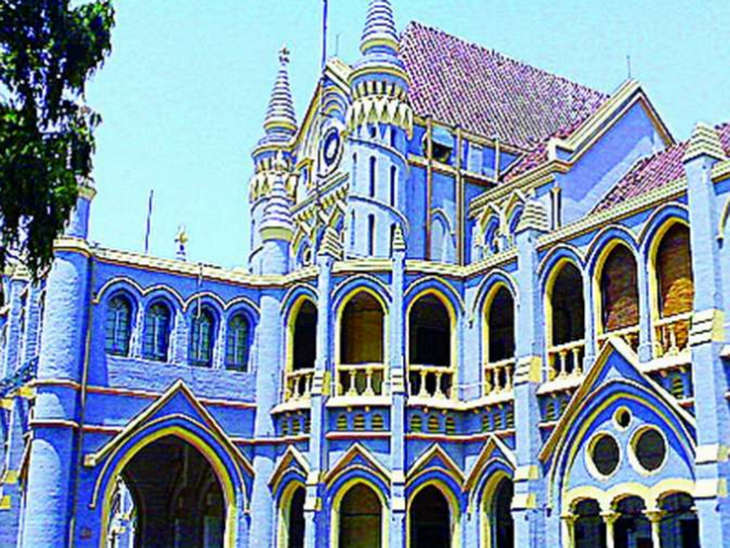
Jabalpur | शफी ख़ान
High Court Admonishes Central Government Over Ken-Betwa Project
The Madhya Pradesh High Court has reprimanded the Central government regarding the implementation of the Ken-Betwa link project. A division bench, comprising Chief Justice Alpkesh Yashwant Cogje and Justice Vivek Jain, has directed the Central government to present a detailed report from the Central Empowered Committee (CEC), considering the environmental impacts and potential threats to forests and wildlife associated with the project.
This directive has once again cast serious doubts on the future of the much-discussed and ambitious Ken-Betwa link project in the Bundelkhand region. The Public Interest Litigation (PIL) filed by Jabalpur-based advocate Arihant Tiwari claims that a significant portion of the Panna Tiger Reserve could be submerged due to the project.
Environmental Concerns and Tree Felling Highlighted
According to the petitioner, over half of the Panna Tiger Reserve might be inundated, posing a severe threat to the natural habitat of wildlife and disrupting crucial wildlife corridors. This situation could present a major challenge to wildlife conservation efforts.
The petition prominently highlights the environmentally destructive aspects of the project. Advocate Tiwari informed the court that approximately 60 lakh trees are slated for felling for the project's construction. This proposed deforestation comes at a time when the Bundelkhand region is already grappling with severe drought and water scarcity.
The petitioner argues that such extensive tree felling will not only lead to a significant decline in environmental quality but could also adversely affect the region's rainfall patterns, exacerbating the water crisis. Furthermore, the petition raises serious questions about the credibility of the Environmental Impact Assessment (EIA) report issued in 2017, deeming it factually erroneous and questioning its impartiality.
Impact on Gharial Sanctuary and Displacement Issues
The petition also details the potential impacts on the Ken Gharial Sanctuary. The petitioner alleges that the standing committee of the National Board for Wildlife (NBWL) did not adequately assess the adverse effects on the gharial sanctuary located downstream due to the project. There is an urgent need for an independent and in-depth scientific study on this matter.
Concerns have also been raised about the social impact of the project on local communities. The petition states that during protests against the project in Chhatarpur district, serious allegations of administrative pressure on local tribal and farmer communities have surfaced, hindering their ability to voice their concerns or register opposition.
Project History and Court's Directive
The Ken-Betwa link project was originally conceived in the 1980s, but its implementation has been a protracted and complex process. The Union Cabinet approved the project's funding in 2021.
The project's primary objective is to transfer surplus water from the Ken river to the Betwa basin, providing irrigation and drinking water facilities to several districts in Bundelkhand and addressing water scarcity in the region. However, the petitioner has demanded a fair and transparent assessment of its environmental and social impacts, alongside its purported benefits.
During Thursday's hearing, the petitioner presented their case directly to the court. The Central government was represented by Additional Solicitor General Sunil Jain, and the State government by Deputy Advocate General Vivek Sharma.
The High Court has instructed the Central government to provide clear information on alleged irregularities mentioned in the Central Empowered Committee's report and the current status of pending proceedings related to this case in the Supreme Court. Additionally, the Madhya Pradesh government must also detail the steps taken and policies implemented based on the Central Empowered Committee's report.
The next hearing for this significant case is scheduled for October 13, 2026. The court's stance will not only be crucial for the project's future but may also set a legal precedent for balancing environmental protection with development projects.