
Japan reaches new longevity record as nearly 1 lakh people are 100 or older
What happened: Japan reported a record 99,763 centenarians as of September 2025, the highest in the world.• Why it matters now: The milestone highlights Japan’s...
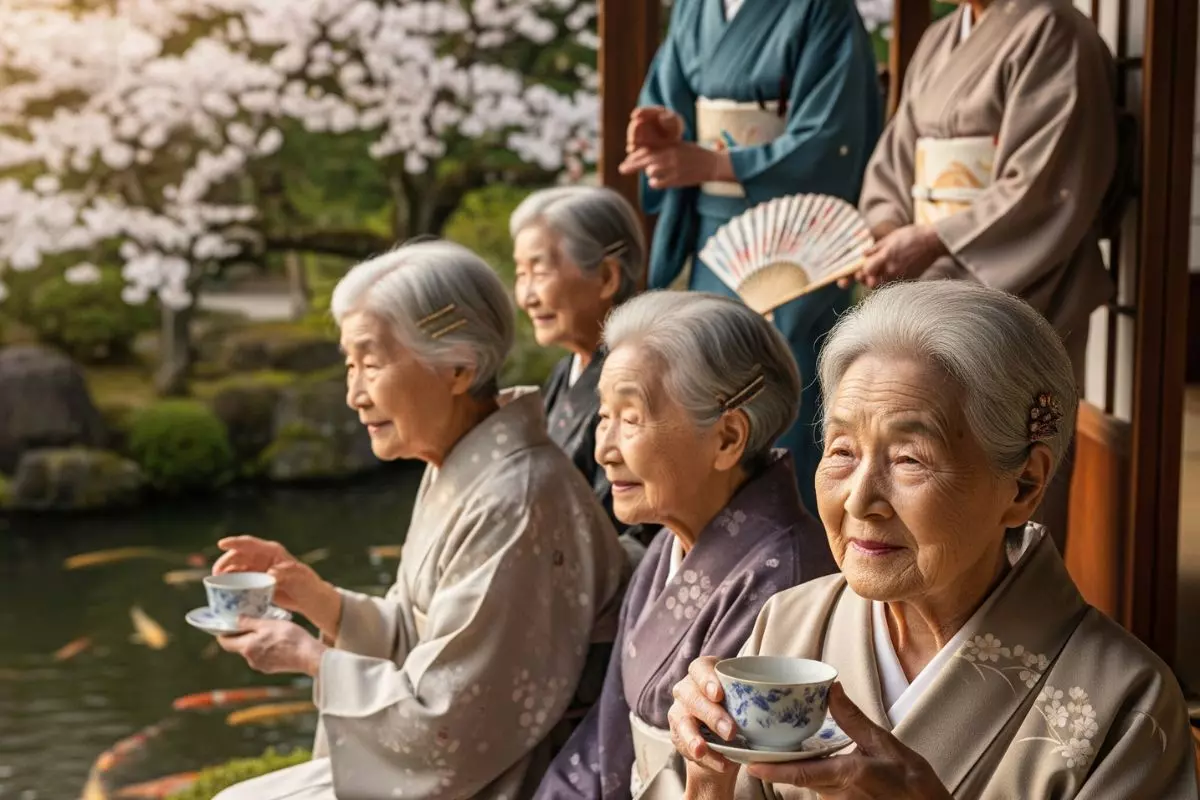
What happened: Japan reported a record 99,763 centenarians as of September 2025, the highest in the world.
• Why it matters now: The milestone highlights Japan’s unique social and lifestyle factors supporting long life.
• What changes for people: Insights into longevity could influence global health discussions on ageing and quality of life.
• Who is affected: Ageing populations, healthcare planners, and individuals interested in healthy living worldwide.
Japan, long known for its ageing population, has set a new benchmark with nearly 100,000 people aged 100 or above, according to official figures from September 2025. This surge in centenarians reflects deep-rooted cultural patterns that promote activity, community bonds, and dietary habits linked to longevity.
With women accounting for about 88 percent of those living past age 100, experts say the Japanese experience offers valuable lessons for societies ageing rapidly around the globe.
Life expectancy tied to lifestyle and social fabric
Japan’s ageing success cannot be pinned to a single factor. While traditional Japanese meals rich in vegetables and seafood have long been credited for good health, specialists emphasize a broader lifestyle.
Dr Aakaar Kapoor, Founder of City Imaging & Clinical Labs, Delhi, explains that longevity arises from a mix of disciplined routines, physical activity, and strong community ties that keep people engaged well into advanced age.
Public health scholars note that Japan’s culture encourages walking, social participation, and consistent daily habits, all of which contribute to healthier years in later life.
Why this trend matters beyond Japan
Japan’s demographic shift has long-term implications for healthcare systems, workforce planning, and economic support structures. Countries such as India, China, and much of Europe face similar challenges as their populations age.
An increase in centenarians means societies must adapt with more age-friendly services, updated healthcare policies, and inclusive public spaces that support mobility and social engagement for older adults.
Gender gap in longevity
Women make up the vast majority of Japan’s centenarians, a pattern seen in many countries. Researchers suggest biological factors, lifestyle choices, and social support networks play roles in this gap. Understanding these influences can help frame policies aimed at reducing health disparities.
Lessons for global ageing populations
Japan’s experience highlights several elements that other nations could study:
-
Active daily habits including walking and community involvement
-
Social connectedness that reduces isolation in older years
-
Dietary choices emphasizing balanced nutrition
-
Persistent healthcare access throughout the lifespan
These factors, combined with supportive public health strategies, offer a more complete picture of what contributes to living longer and healthier lives.