
Israel Pushes Back Against Trump’s Gaza Peace Board, Flags Lack of Consultation; Ajay Banga Joins Panel
What happened: Israel publicly objected to the Gaza Peace Board proposed by US President Donald Trump, saying it was formed without prior consultation. Why it...
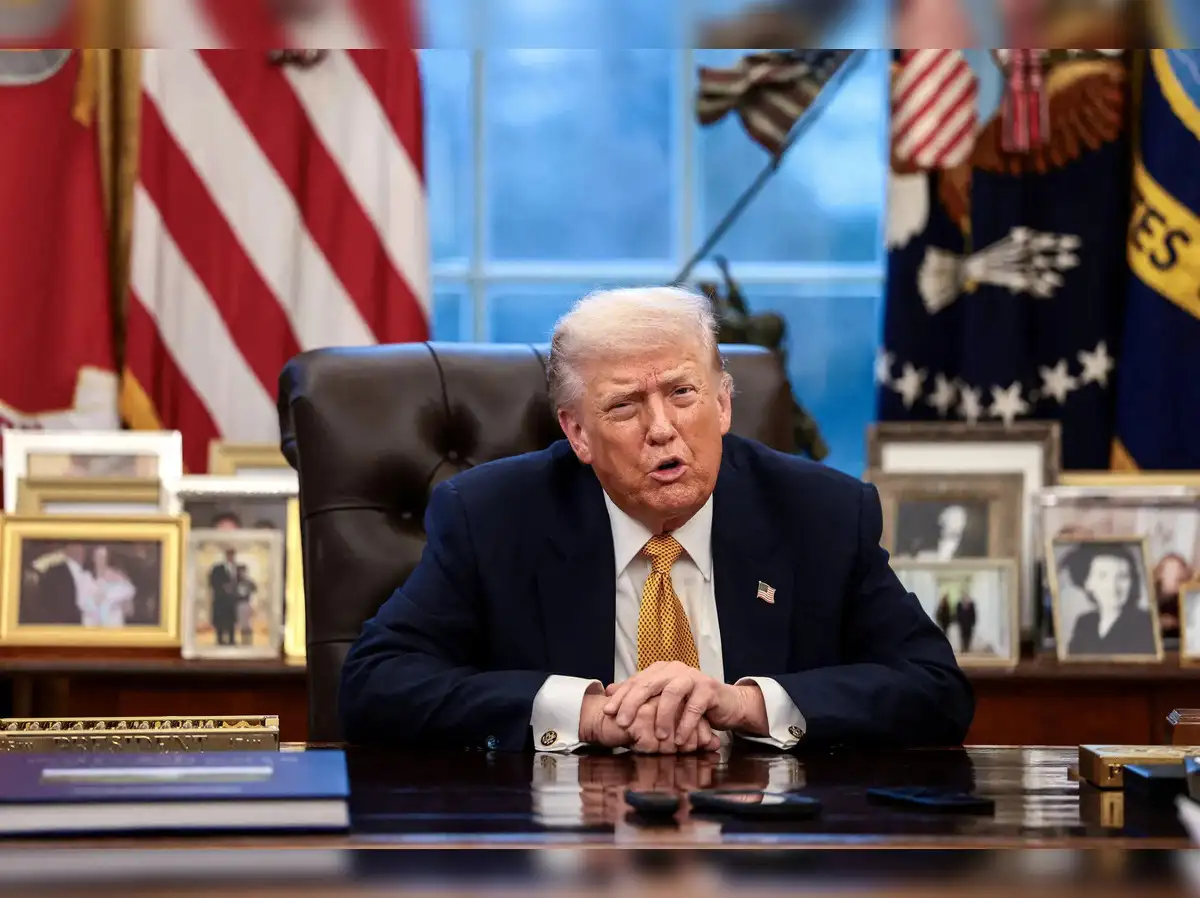
What happened: Israel publicly objected to the Gaza Peace Board proposed by US President Donald Trump, saying it was formed without prior consultation.
Why it matters now: The move comes as the Gaza peace plan enters its second phase, a sensitive stage with major diplomatic and security implications.
What changes for people: Disagreements over process could delay coordination on Gaza’s administration and reconstruction.
Who is affected: Israel, the United States, Gaza’s civilian population, and international stakeholders involved in post-conflict planning.
Tensions surface over Gaza peace framework
Israel has voiced strong reservations over the Gaza Peace Board announced by US President Donald Trump, arguing that the initiative was rolled out without adequate dialogue with Israeli authorities. Officials in Jerusalem indicated that such unilateral steps could complicate already fragile diplomatic efforts around Gaza.
The objection underscores growing unease over decision-making processes at a time when the region remains highly volatile.
What is the Gaza Peace Board?
The board is part of Trump’s Gaza peace plan, which has now moved into its second phase. The US administration has announced the creation of the National Committee for Administration and Reconstruction of Gaza (NCAG), tasked with overseeing:
Civil administration
Fund mobilisation
Reconstruction planning
International coordination
American officials say the body is designed to streamline post-conflict governance and attract global support for rebuilding Gaza.
Israel’s core concern: process over policy
Israeli officials stressed that their concern is not limited to the board’s objectives but to how it was constituted. They argue that forming such a mechanism without direct consultation undermines trust and coordination, especially when security considerations are central to any Gaza-related plan.
Analysts note that Israel’s reaction highlights a familiar fault line in Middle East diplomacy: policy alignment versus procedural legitimacy.
Ajay Banga’s inclusion draws attention
The announcement also revealed that Indian-origin global executive Ajay Banga has been included in the peace board. His presence signals a push to bring economic and development expertise into Gaza’s reconstruction framework.
Diplomatic observers say this reflects Washington’s intent to frame Gaza’s future not just as a security issue, but as a long-term development challenge.
Why this matters geopolitically
The disagreement comes at a delicate moment:
Regional stability depends on close US-Israel coordination.
Gaza’s reconstruction requires broad political buy-in and sustained funding.
International credibility of any peace mechanism hinges on stakeholder inclusion.
Without consensus, experts warn that administrative bodies risk becoming symbolic rather than effective.
Official silence, cautious diplomacy
While the US administration has defended the board’s intent, it has not directly addressed Israel’s consultation concerns. Israeli officials, meanwhile, have stopped short of rejecting the plan outright, suggesting space remains for behind-the-scenes negotiations.