
Israel And Lebanon Extend Ceasefire Despite Fresh Strikes Amid Rising Iran Crisis
Israel and Lebanon have agreed to extend their ceasefire and continue broader political negotiations despite fresh Israeli strikes in southern Lebanon that reportedly killed civilians...
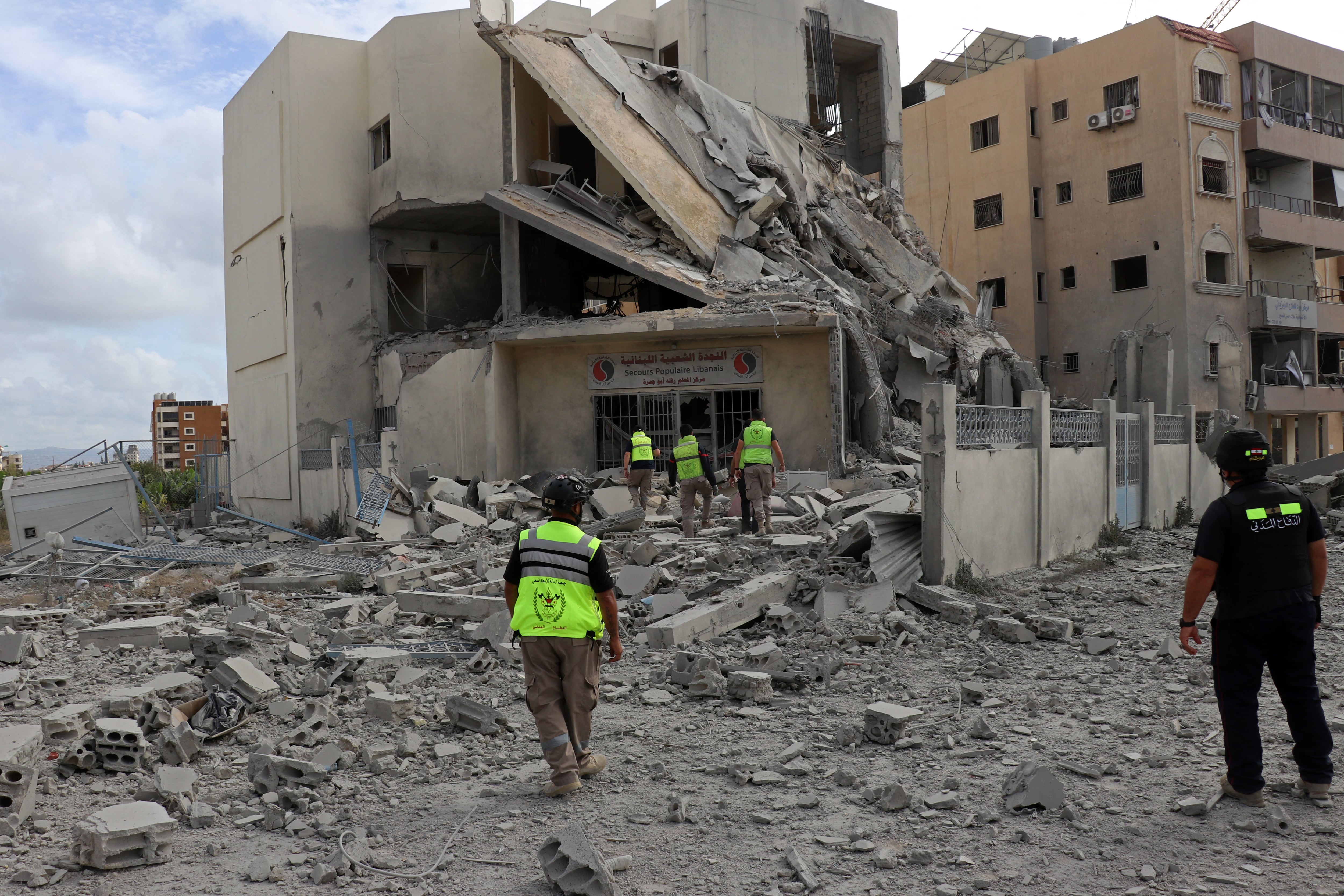
Israel and Lebanon have agreed to extend their ceasefire and continue broader political negotiations despite fresh Israeli strikes in southern Lebanon that reportedly killed civilians and paramedics.
The fragile truce comes as tensions linked to the wider US-Iran-Israel conflict continue to destabilise the Middle East and global markets.
What happened
- The United States announced that Israel and Lebanon agreed to extend the ceasefire.
- Both sides are expected to continue expanded political settlement talks.
- Despite the truce, Israeli strikes reportedly continued in southern Lebanon.
- Lebanese state media said at least:
- 6 people were killed
- Including 3 paramedics
- 22 others were injured in one strike on a civil defence centre.
Iran-US diplomatic signals emerge
Abbas Araghchi said Iran received messages from the United States indicating willingness to continue talks.
He also signalled openness to support from China amid the ongoing regional crisis.
Meanwhile, Donald Trump claimed Chinese President Xi Jinping agreed that Iran should reopen the Strait of Hormuz.
Global economic impact grows
The conflict is increasingly affecting global economies:
- Sri Lanka raised import taxes on vehicles after currency pressure linked to the West Asia crisis.
- Iraq confirmed exporting 10 million barrels of oil through the Strait of Hormuz in April.
- Global markets remain nervous about possible disruptions to oil shipping routes.
FIFA-Iran World Cup concerns
FIFA officials are also expected to meet Iranian football authorities over concerns surrounding Iran’s participation in the upcoming World Cup hosted in the United States.
Questions emerged after tensions escalated between Iran, the US and Israel.
Why it matters
- The ceasefire remains extremely fragile despite diplomatic efforts.
- Continued strikes risk expanding the conflict across the region.
- Global oil prices, shipping routes and financial markets are increasingly tied to developments around the Strait of Hormuz.
Who is affected
- Civilians in Lebanon and Israel
- Global energy markets
- Countries dependent on Middle East oil exports
- International diplomatic and security alliances
What to watch next
Attention now shifts to whether ceasefire talks can survive continued military action and whether renewed US-Iran diplomatic engagement can prevent a wider regional escalation.