
ISIS Ambush in Central Syria Kills Two U.S. Soldiers and One American Civilian
Two United States soldiers and one American civilian were killed on Saturday in an ambush claimed by the Islamic State (ISIS) in central Syria, marking...
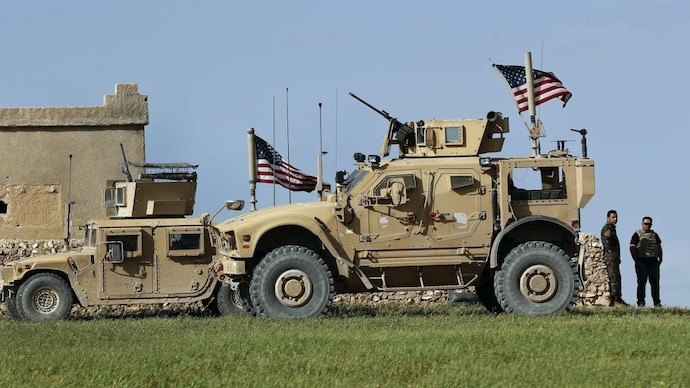
Two United States soldiers and one American civilian were killed on Saturday in an ambush claimed by the Islamic State (ISIS) in central Syria, marking the deadliest attack on U.S. personnel in the country in more than a year and underscoring the persistent threat posed by the extremist group despite its territorial defeat.
Three other people were injured in the attack, according to U.S. Central Command (CENTCOM), which confirmed the incident in an official statement cited by India Today and other international media outlets.
First Fatal Attack Since Assad’s Fall
U.S. defence officials said this was the first attack in Syria to result in American military deaths since the fall of former Syrian president Bashar al-Assad one year ago, highlighting the fragile security environment that continues to plague the war-scarred country.
CENTCOM said the identities of the deceased service members would not be released for 24 hours, in line with U.S. Department of Defense policy, to allow time for notification of next of kin.
The Associated Press reported that details surrounding the ambush remain limited and that the medical condition of the injured has not yet been made public.
Conflicting Accounts From the Ground
Syrian state media offered a different account of the incident. According to the state-run SANA news agency, gunfire erupted during a visit by U.S. troops to a historic site near Palmyra, a city in central Syria that has long been contested by extremist groups.
SANA said two Syrian security personnel and several U.S. service members were wounded in the shooting. Local Syrian media outlets reported that the attacker was killed, though no official confirmation or further details were provided.
The Britain-based Syrian Observatory for Human Rights said at least three Syrian security personnel and several Americans were injured, claiming the attacker was affiliated with Syrian security forces—an assertion that has not been independently verified.
U.S. Blames Islamic State, Warns of Retaliation
The U.S. government has squarely blamed ISIS for the ambush. President Donald Trump said Washington would respond forcefully.
“This was an ISIS attack against the U.S. and Syria, in a very dangerous part of the country that is not fully controlled,” Trump said in a post on social media, warning of “very serious retaliation” against the group.
Speaking to reporters at the White House, Trump said Syrian President Ahmed al-Sharaa was “devastated” by the incident and was cooperating closely with U.S. forces.
“He is extremely angry and disturbed by what happened,” Trump said, emphasising coordination between Syrian authorities and the U.S. military in the aftermath of the attack.
U.S. Military Presence in Syria
The United States maintains several hundred troops in eastern Syria as part of a U.S.-led international coalition aimed at preventing the resurgence of ISIS. Although the group lost its territorial “caliphate” in Syria in 2019, it continues to operate through sleeper cells, conducting hit-and-run attacks against military and civilian targets.
According to United Nations estimates, ISIS still has between 5,000 and 7,000 fighters active across Syria and Iraq, exploiting weak governance, desert terrain, and ongoing political instability.
Why This Matters
The ambush highlights the enduring risks facing U.S. and coalition forces in Syria, even as global attention shifts away from the conflict. It also raises questions about security coordination in areas where multiple armed actors—including Syrian forces, local militias, and foreign troops—operate in close proximity.
For Washington, the incident reinforces concerns that ISIS remains capable of lethal attacks and that a premature drawdown of international forces could create space for the group’s resurgence.
What Comes Next
U.S. officials are expected to review force protection measures and intelligence-sharing arrangements in Syria. Any military retaliation could further complicate an already volatile regional landscape, particularly as Syria attempts to stabilise after years of conflict and political transition.