
Iran's Supreme Leader Khamenei Assassinated: US-Israel Strike Escalates Tensions
Ayatollah Ali Khamenei assassinated in joint US-Israeli strike, escalating regional conflict.
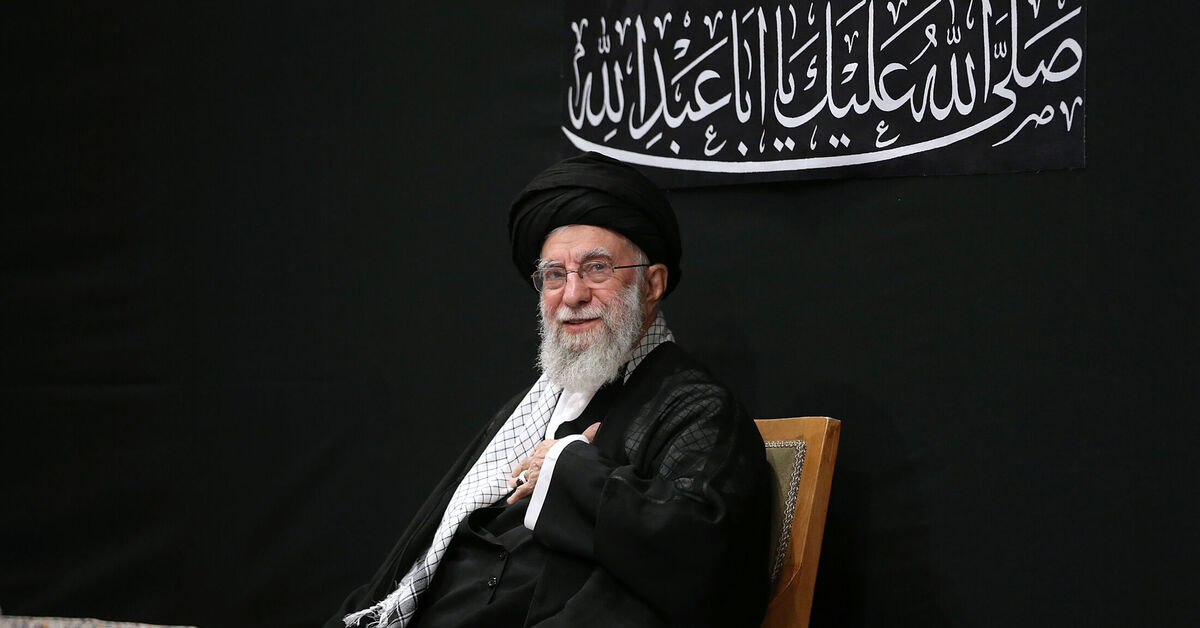
Top Summary
- What happened: Ayatollah Ali Khamenei, Iran's Supreme Leader since 1989, was assassinated in a joint U.S.-Israeli strike on February 28th, escalating regional tensions.
- Why it matters: Khamenei's death creates a power vacuum in Iran, potentially destabilizing the region and leading to further conflict. He was a pivotal figure in Iranian politics for four decades.
- What changes for people: The assassination could lead to regime change efforts and increased internal unrest in Iran, impacting the daily lives of Iranian citizens. Retaliatory strikes are also expected.
- Who is affected: The U.S., Israel, Iran, and the broader West Asia region are directly affected, with potential global implications for energy markets and international security.
Khamenei's Assassination Sparks Regional Turmoil
Ayatollah Seyyed Ali Khamenei, Iran's Supreme Leader, has been assassinated in a joint U.S.-Israeli strike on February 28th. The assassination dramatically escalates the already tense situation in West Asia.
Donald Trump, former U.S. President, called Khamenei "one of the most evil people in history." He stated this was Iran's "greatest chance" to "take back" their country.
Early Life and Rise to Power
Born in 1939, Khamenei grew up influenced by the 1953 coup against Prime Minister Mohammad Mosaddegh.
From the early 1960s, he actively participated in protests against the Shah. Following the 1979 revolution, he quickly ascended the ranks, becoming Deputy Defence Minister and Tehran's Friday prayer Imam.
He survived a bombing in 1981, losing the use of his right arm. This event solidified his image as a resilient figure of the revolution.
Khamenei became President shortly thereafter. He assumed the role of Supreme Leader in 1989 after Khomeini's death.
Challenges and Internal Conflicts
Khamenei faced significant challenges during his leadership. These include political and economic upheavals and dealing with both reformist and hardliner Presidents.
Despite initial promises of progress, unrest spread across Iran. In 1997, the election of reformist Mohammed Khatami presented an opportunity for change, but Khamenei sided with hardliners when protests erupted.
The 2009 election of Mahmoud Ahmadinejad triggered widespread protests alleging fraud. Khamenei endorsed Ahmadinejad's victory and suppressed the "Green Movement."
Economic Pressures and Nuclear Talks
Economic issues, including hyperinflation and a tanking currency, plagued Iran. These were largely due to Western sanctions.
Khamenei sanctioned nuclear talks with the U.S. after Hassan Rouhani became President in 2013, despite calling America the 'Great Satan'.
Donald Trump withdrew from the 2015 nuclear agreement in 2018. He reimposed sanctions, worsening Iran's economic crisis and triggering uprisings.
Regional Tensions and Retaliation
After the October 7, 2023 Hamas attack, Israel targeted Iran-backed militias. This further strained regional tensions.
Iran retaliated against Israel on June 13, 2025, displaying its military capabilities. However, this also exposed Iran's vulnerable defense.
The recent assassination of Khamenei is expected to prompt further retaliation. The U.S. and Israel anticipate a strong response.
What to Watch Next
The assassination of Khamenei marks a critical turning point. It is expected that the coming days will see Iran's response to the assassination and the international community’s reaction, with West Asia bracing for a potentially volatile period of escalating conflict and uncertainty regarding Iran's future leadership.