
Iran's Supreme Leader Khamenei Assassinated: Mideast in Turmoil
Ayatollah Ali Khamenei's death sparks uncertainty in Iran and across the Middle East.
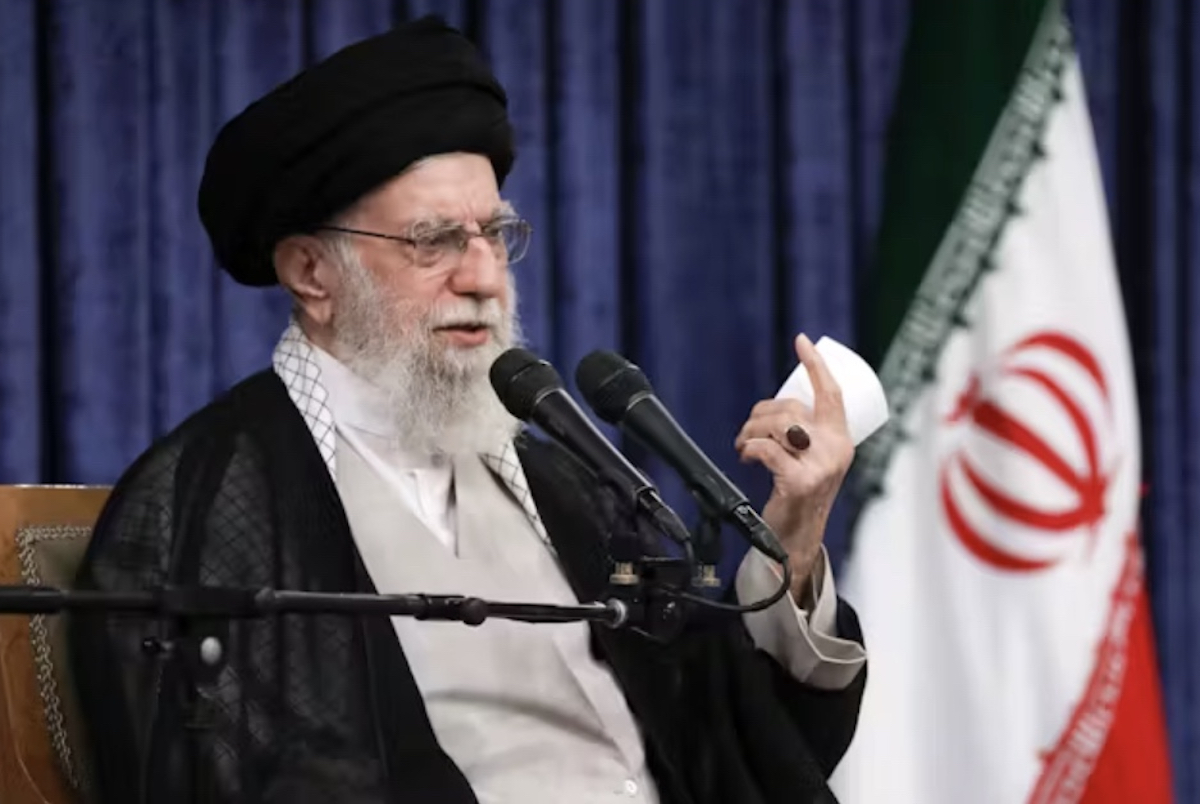
Top Summary
- What happened: Ayatollah Ali Khamenei, Iran's Supreme Leader, was killed in US and Israeli airstrikes on Saturday.
- Why it matters: His death after nearly 40 years of rule has potentially seismic consequences for the Middle East and the future of the Islamic Republic.
- What changes for people: The country faces uncertainty over succession, internal power struggles, and the future of its nuclear policy.
- Who is affected: The people of Iran, regional powers, the US, and international markets are all impacted by this event.
Khamenei's Death Rocks Iran
Ayatollah Ali Khamenei, 86, died following US and Israeli airstrikes on his compound in Tehran. The strikes, which occurred on Saturday, also killed four members of his family.
His death marks the end of an era for Iranians, most of whom have known no other leader. Social media videos showed some Iranians celebrating.
A reporter's recent on-air slip, saying "death to Khamenei" instead of "death to America," highlighted growing antipathy towards him.
Iran Enters Survival Mode
Ellie Geranmayeh, a senior policy fellow at the European Council on Foreign Relations, notes that Iran's military remains united and determined to resist. Security has been tightened across the country.
Despite President Trump's call for Iranians to "take over" the government, there is no organized opposition within Iran.
Reformists have been imprisoned, and grassroots movements are suppressed. Over 7,000 people were reportedly killed during January's protests.
Succession and Power Vacuum
Mehran Kamrava, a professor at Georgetown University in Qatar, suggests Khamenei's death will significantly impact the Islamic Republic.
A council comprising the heads of the judiciary, legislature, and executive will temporarily govern Iran. The Assembly of Experts will select Khamenei's successor.
Possible successors include Khamenei's son, Mojtaba, and Ali Larijani, Secretary of the Supreme National Security Council.
The Role of the IRGC
The Islamic Revolutionary Guard Corps (IRGC) is likely to gain more power. The organization has significant political and economic influence.
Key IRGC figures, such as Mohammad-Bagher Ghalibaf and Mohsen Rezaee, are central to Iran's response.
The IRGC was originally designed to protect the regime and its supreme leader.
International Reactions and Nuclear Policy
Vladimir Putin called Khamenei an "outstanding statesman." China condemned the assassination as "unacceptable."
Khamenei previously issued a fatwa against weaponizing Iran's nuclear program. The International Atomic Energy Agency reported "regular activity" at Iranian nuclear sites before the attack.
Larijani suggested Iran could change its nuclear doctrine if forced to in April 2025.
What to Watch Next
The world will be watching to see who succeeds Khamenei and how the power dynamics within Iran shift. The future of Iran's nuclear policy and its relationship with the US and Israel remain uncertain.