
Iran woman’s viral protest defies crackdown: “I’m not afraid. I’ve been dead for 47 years”
What happened: A video of an elderly woman bleeding while chanting anti-government slogans in the streets of Tehran has gone viral. Why it matters now:...
-
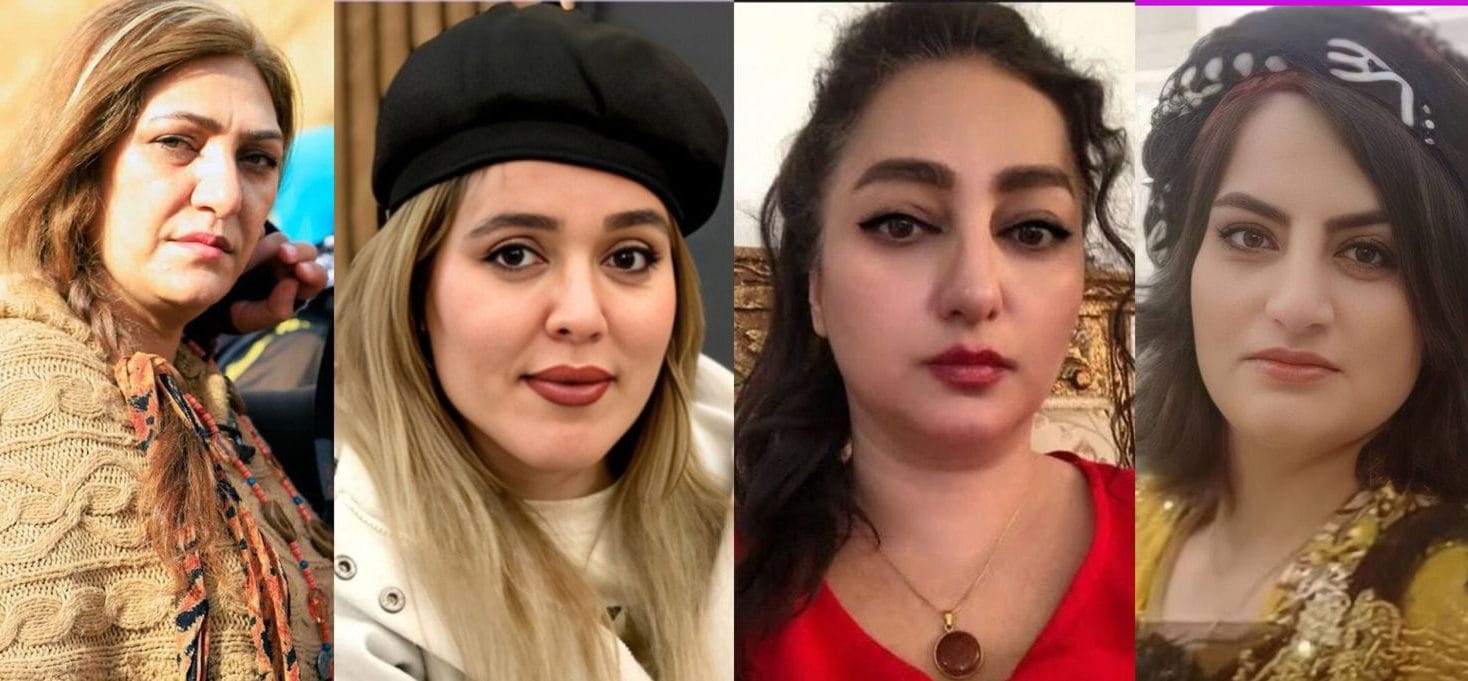
What happened: A video of an elderly woman bleeding while chanting anti-government slogans in the streets of Tehran has gone viral.
-
Why it matters now: The clip surfaced amid intensifying crackdowns on nationwide protests driven by economic strain and political anger.
-
What changes for people: Citizens are facing tighter security controls, communication disruptions and heightened risks during demonstrations.
-
Who is affected: Urban and rural communities across Iran, especially women, students and the elderly, are directly impacted by the unrest.
A viral clip of an elderly woman in Tehran, visibly bleeding yet chanting anti-government slogans, has become a defining moment in Iran’s escalating wave of anti-regime demonstrations. Her stark declaration, “I’m not afraid. I’ve been dead for 47 years,” has rapidly turned into a symbol of deep discontent across the country.
The woman’s reference to 47 years is widely interpreted as pointing back to 1979, when Iran’s current political system took shape. For many, the moment captured on camera reflects not just personal courage but also decades of social, political and economic frustration.
Rising anger on the streets
The viral video circulated as security forces intensified efforts to suppress protests in multiple cities. Protesters have called attention to spiralling inflation, unemployment, currency decline and limits on personal freedoms.
Public spaces in major cities including Tehran have seen increased police presence, along with reports of detentions, confiscation of phones and temporary closures of transit routes to deter gatherings.
Economic hardship fueling unrest
Iran’s ongoing economic crisis has deepened household strain. Food prices, fuel costs and housing rents have surged, while incomes have failed to keep pace. These pressures have pushed citizens into the streets despite the risk of arrest or injury.
Experts say the protests highlight a collision between governance and economic management, where families struggling to afford basics are simultaneously demanding civil liberties and political accountability.
Governance and public safety concerns
Authorities have responded to the unrest with communication restrictions. Temporary internet slowdowns, platform blocks and phone network disruptions have made it harder for protesters to organize and for information to flow.
These measures have public safety implications, affecting daily life, remote work, business transactions and travel coordination within cities.
Women at the forefront
Footage and eyewitness accounts suggest that women are playing a visible role in these demonstrations, challenging restrictions on expression and public behavior.
The viral clip gained additional momentum after a well-known Iranian-American activist shared it, describing the woman’s voice as representative of citizens who feel they have reached a breaking point. The activist noted that for many Iranians “there is nothing left to lose,” as national frustration spills onto the streets.
International relevance
The protests carry regional and diplomatic implications, with foreign governments and analysts closely monitoring the situation due to Iran’s strategic location, energy ties and geopolitical influence.
Escalating unrest raises concerns about:
-
Internal security stability
-
Future political reforms or reprisals
-
Economic consequences for trade and sanctions discussions
Why mobile readers should care now
The situation in Iran reflects a broader global pattern where economic stress, restrictions on freedoms and governance challenges can ignite sustained civic movements. The viral moment from Tehran is not isolated; it taps into a wider conversation about rights, resilience and state power.
What to watch next
Key developments to monitor in the coming days include:
-
Any official actions related to protest management and security deployment
-
Potential economic measures aimed at calming public anger
-
Changes to internet and communication access
-
Public statements from civic groups and government representatives
The situation remains fluid and sensitive, and further updates are expected as demonstrations continue.