
Iran-US nuclear talks begin in Oman amid rising military tensions and global security concerns
What happened: Officials from Iran and the United States have started high-stakes negotiations in Muscat, Oman, focusing mainly on Tehran’s nuclear programme. Why it matters...
-
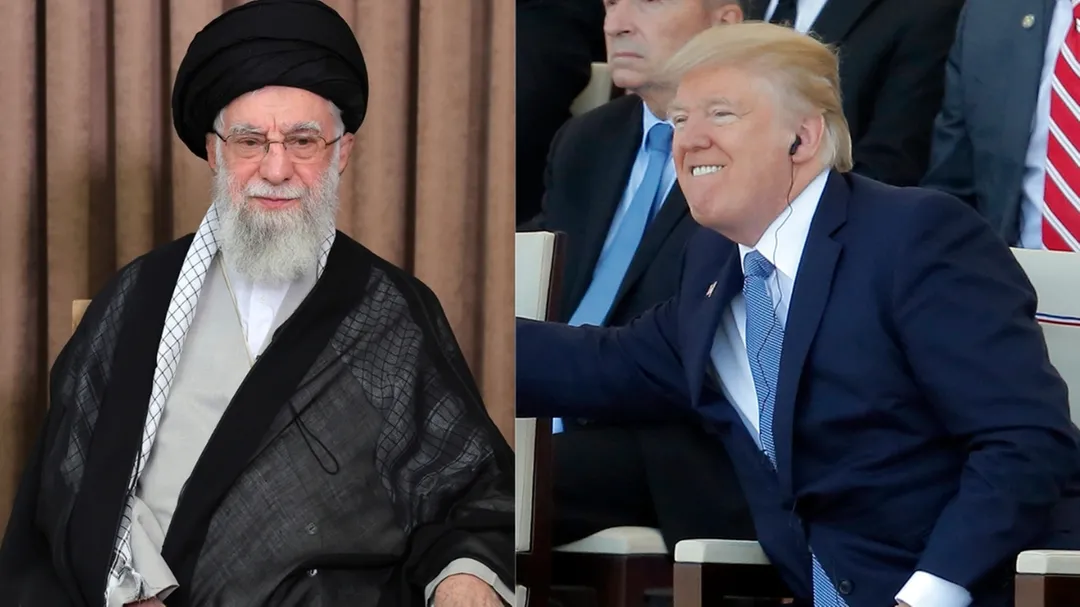
What happened: Officials from Iran and the United States have started high-stakes negotiations in Muscat, Oman, focusing mainly on Tehran’s nuclear programme.
-
Why it matters now: The talks come after military threats, regional unrest and a growing US naval presence, raising fears of a wider Middle East conflict if diplomacy fails.
-
What changes for people: Energy markets, global security dynamics and regional stability could shift depending on whether the negotiations produce a breakthrough.
-
Who is affected: Middle East nations, global oil markets, international allies and civilians across the region watching escalating tensions.
Senior representatives from Iran and the United States have begun critical diplomatic talks in Oman as both sides attempt to ease tensions surrounding Tehran’s nuclear activities. The negotiations arrive at a sensitive moment marked by military warnings, regional unrest and renewed pressure from Washington to expand the scope of discussions beyond nuclear issues.
Different agendas threaten progress
Iranian officials have indicated they want the Muscat talks to remain focused strictly on nuclear matters. However, the US administration has signalled it wants broader discussions covering Iran’s missile programme, regional alliances and domestic governance concerns.
US Secretary of State Marco Rubio said Washington believes long-term stability requires addressing wider security issues, while Iranian representatives insist that defence capabilities, including missiles, remain outside negotiations.
Military pressure looms over diplomacy
The talks are unfolding amid heightened military activity, including a significant US naval deployment in nearby waters. American officials have warned that diplomatic options exist alongside other measures, while Iran has cautioned that any attack would provoke a strong response and potentially draw neighbouring countries into the conflict.
Analysts say the heavy military backdrop increases pressure on negotiators but also raises the risk of miscalculation if discussions fail.
Nuclear concessions and sanctions demands
Sources familiar with the discussions suggest Iran may show flexibility on uranium enrichment levels under certain arrangements. At the same time, Tehran is demanding relief from sanctions that were reinstated after the US withdrew from the 2015 nuclear agreement.
Western governments and Israel continue to accuse Iran of pursuing nuclear weapons capability, allegations Tehran denies, maintaining that its programme is intended for peaceful energy purposes.
Regional tensions add complexity
The negotiations follow recent unrest inside Iran and shifting geopolitical alliances across the Middle East. Experts note that weakened regional partnerships and ongoing conflicts in neighbouring areas could influence both sides’ bargaining positions.
Israel has repeatedly warned that Iran’s missile stockpile and nuclear ambitions pose a major security threat, adding another layer of pressure to the diplomatic process.
Why the world is watching closely
Any agreement could affect oil prices, shipping routes and international relations, especially as energy markets remain sensitive to instability in the Gulf. Diplomacy in Oman is seen by observers as one of the few remaining pathways to avoid escalation between two long-standing rivals.