
Iran, US Hold Geneva Talks to Avert Military Conflict
Indirect talks in Geneva aim to de-escalate US-Iran tensions.
Top Summary
- What happened: Iran and the US are in Geneva for Oman-mediated talks to address the nuclear dispute and prevent US military action.
- Why it matters: The discussions are crucial for de-escalating tensions, potentially preventing a military conflict that could disrupt global oil supplies.
- What changes: The outcome could affect sanctions on Iran, global oil prices, and regional stability, impacting economies and security worldwide.
- Who is affected: Iran, the US, Middle Eastern countries, global oil markets, and international nuclear regulators are all affected.
Geneva Talks Underway
Iran and the U.S. resumed negotiations in Geneva on Thursday, aiming to resolve the nuclear dispute. The talks seek to prevent further U.S. strikes on Iran, following a significant military buildup in the region.
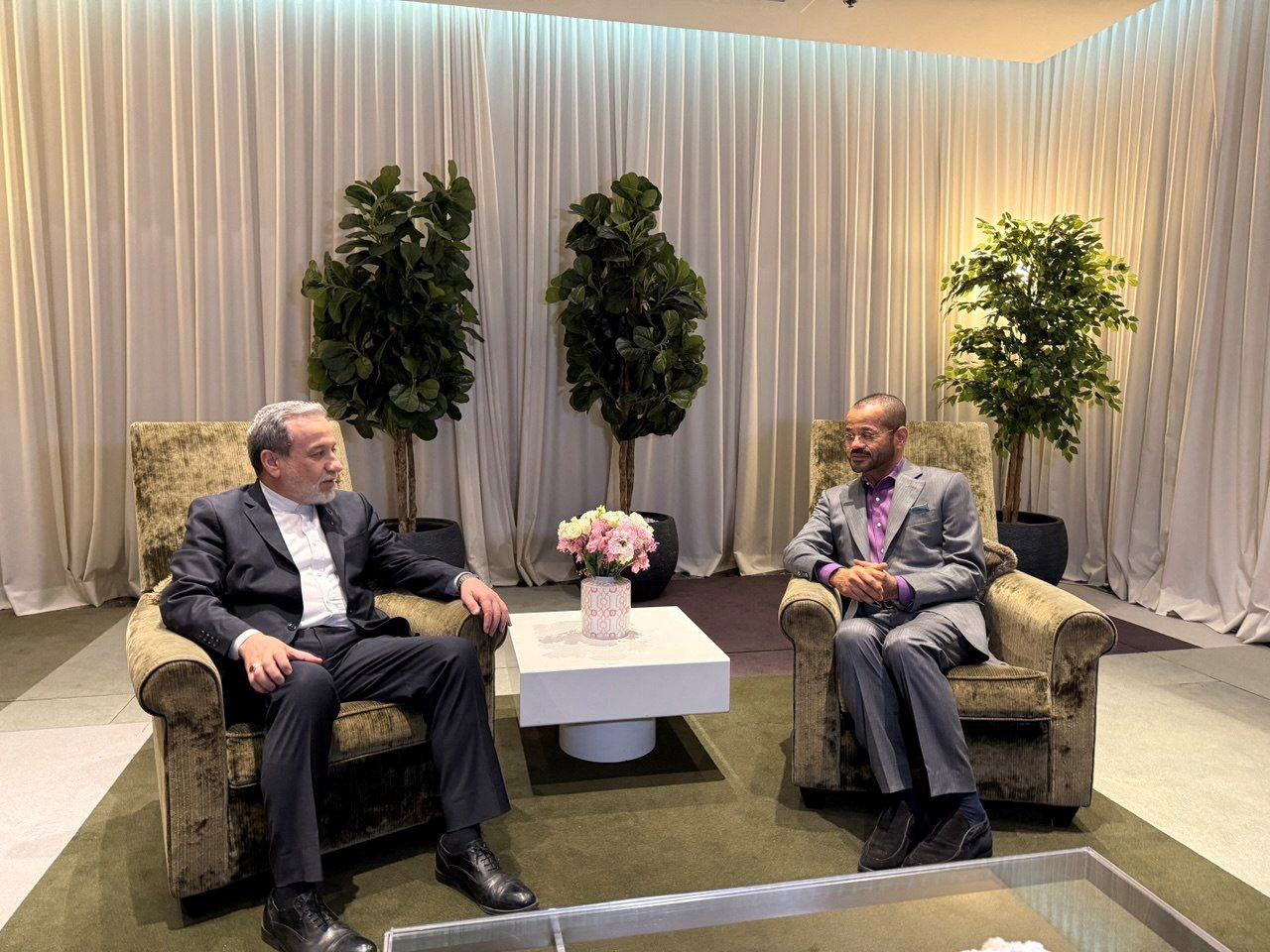
Oman's Foreign Minister Badr Albusaidi is mediating the indirect talks. U.S. Special Envoy Steve Witkoff and Jared Kushner are representing the U.S. while Iran's Foreign Minister Abbas Araqchi is leading the Iranian delegation.
The meeting follows discussions held in Geneva last week. A U.S. official told Reuters that these talks are crucial for regional stability.
Trump's Stance and Military Buildup
President Trump addressed the Iran situation in his State of the Union speech, favoring a diplomatic solution. He asserted that he would not allow Tehran to obtain a nuclear weapon.
The U.S. has deployed significant military assets to the Middle East, including fighter jets and aircraft carrier strike groups. This buildup aims to pressure Iran into making concessions on its nuclear program.
Ballistic Missile Concerns
U.S. Secretary of State Marco Rubio highlighted Iran's refusal to discuss its ballistic missile program as a major obstacle. He stated that these missiles pose a threat to regional stability.
"If you can't even make progress on the nuclear program, it's going to be hard to make progress on the ballistic missiles as well," Rubio told reporters on Wednesday.
Oman's Mediation Efforts
On Wednesday evening, Araqchi and Albusaidi discussed Iran's proposals for reaching an agreement. Albusaidi will meet with the U.S. negotiating team to convey Iran's views.
Growing Regional Tensions
The U.S. has assembled a massive military force in the Middle East, the largest since the 2003 invasion of Iraq. This has raised fears of a wider regional conflict.
Last June, the U.S. reportedly joined Israel in hitting Iranian nuclear sites, and Iran has threatened retaliation if attacked again.
Iran's Position and Internal Pressures
Araqchi stated that Iran aims for a fair, swift deal while upholding its right to peaceful nuclear technology. He emphasized that a deal is within reach if diplomacy is prioritized.
Reuters reported that Tehran is offering fresh concessions for sanctions relief and recognition of its right to enrich uranium. However, both sides remain divided over the scope and sequencing of sanction relief.
Within Iran, Supreme Leader Ayatollah Ali Khamenei faces a significant crisis due to the struggling economy and renewed protests. President Masoud Pezeshkian reiterated that Khamenei has banned weapons of mass destruction.
International Involvement
Iran maintains that its nuclear program complies with the Non-Proliferation Treaty (NPT). The NPT allows civilian nuclear activities if atomic weapons are renounced and cooperation with the IAEA occurs.
International Atomic Energy Agency head Rafael Grossi is expected in Geneva for further discussions.
Oil Market Impact
Oil prices inched up on Thursday as investors assessed if the U.S.-Iran talks could avert a military conflict that might disrupt supplies. Saudi Arabia is increasing its oil production as a contingency plan.
What to Watch Next
The success of these talks depends on both sides compromising on sanctions relief and Iran's ballistic missile program. The coming days will determine if a diplomatic solution can be reached, averting further escalation in the Middle East.