
Iran Threatens Retaliation: Lists Key Middle East Bridges as Potential Targets
Iran hints at retaliation after a US-Israeli attack on Iranian infrastructure.
Top Summary
- What happened: Iran published a list of eight major bridges in the Middle East, signaling potential retaliation for a US-Israeli strike on a bridge near Karaj.
- Why it matters: This escalation raises tensions further in the already volatile region and threatens civilian infrastructure.
- What changes for people: Increased risk of attacks on civilian infrastructure in Gulf nations and Jordan. Potential disruptions to trade and travel.
- Who is affected: Kuwait, UAE, Saudi Arabia, Bahrain, and Jordan, as well as their civilian populations and economies.
Iran Threatens Retaliation After Bridge Attack
Iran has issued a warning, listing eight major bridges across the Middle East as potential targets for retaliation. This follows a US-Israeli attack on infrastructure in the northern city of Karaj.
The semi-official Fars News Agency published the list, suggesting the Islamic Revolutionary Guard Corps might target bridges in Gulf nations and Jordan.
Targeted Bridges and Regional Impact
The Iranian list includes several prominent bridges:
- Sheikh Jaber Al-Ahmad Al-Sabah Sea Bridge (Kuwait)
- Sheikh Zayed Bridge, Al Maqta Bridge, Sheikh Khalifa Bridge (UAE)
- King Fahd Causeway (Saudi Arabia to Bahrain)
- King Hussein Bridge, Damia Bridge, Abdoun Bridge (Jordan)
According to an Anadolu report, these bridges are now potential targets, further escalating regional tensions.
Details of the Attack on Iranian Infrastructure
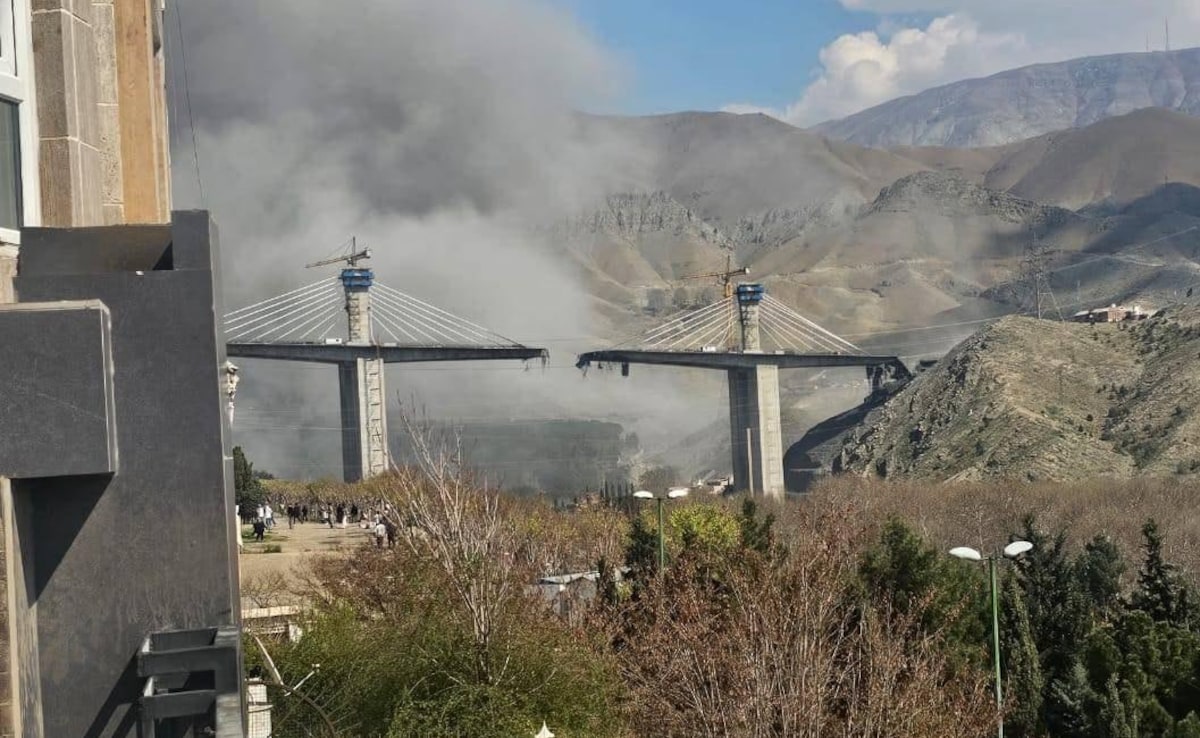
The US-Israeli strikes on Thursday partially destroyed the tallest bridge in the Middle East. The 136-metre-high B1 bridge, still under construction, was intended to link Tehran to Karaj.
Ghodratollah Seif, deputy governor of Alborz province, reported that the strike killed eight people and wounded 95 others. Social media videos showed major sections of the bridge collapsing.
Trump's Warning and Iranian Response
President Donald Trump posted footage of the damaged bridge, warning of further destruction unless Iran negotiates to end the five-week war.
"The biggest bridge in Iran comes tumbling down, never to be used again -- much more to follow! IT IS TIME FOR IRAN TO MAKE A DEAL BEFORE IT IS TOO LATE, AND THERE IS NOTHING LEFT OF WHAT STILL COULD BECOME A GREAT COUNTRY!"
Iranian Foreign Minister Abbas Araghchi responded on X, stating that attacking civilian structures would not compel Iran to surrender.
"Striking civilian structures, including unfinished bridges, will not compel Iranians to surrender. It only conveys the defeat and moral collapse of an enemy in disarray."
Escalating Regional Tensions
Tensions have risen since the US and Israel launched a joint offensive on Iran on February 28, resulting in over 1,340 deaths. Tehran has retaliated with drone and missile strikes targeting Israel and Gulf nations hosting US assets.
What to Watch Next
The international community is watching closely to see if Iran will act on its threats and whether diplomatic efforts can de-escalate the situation. Further attacks on infrastructure could trigger a wider conflict in the Middle East.