
Iran Tensions: US Military Might vs. Strategic Deterrence in Hormuz
Despite US military prowess, Iran's strategic capabilities pose a challenge.
Top Summary
- What happened: The US highlighted a successful rescue operation in Iran, showcasing military precision.
- Why it matters: Despite displays of military strength, Iran's ability to disrupt oil tanker traffic in the Strait of Hormuz poses a significant deterrent.
- What changes for people: The potential for increased tensions and a humanitarian crisis remain high, impacting regional stability and global oil markets.
- Who is affected: Iran, the US, regional allies, and global oil consumers are all potentially impacted by ongoing tensions.
US Showcases Military Prowess Amidst Iran Tensions
The US touted its military capabilities following a successful rescue operation of downed airmen in Iran.
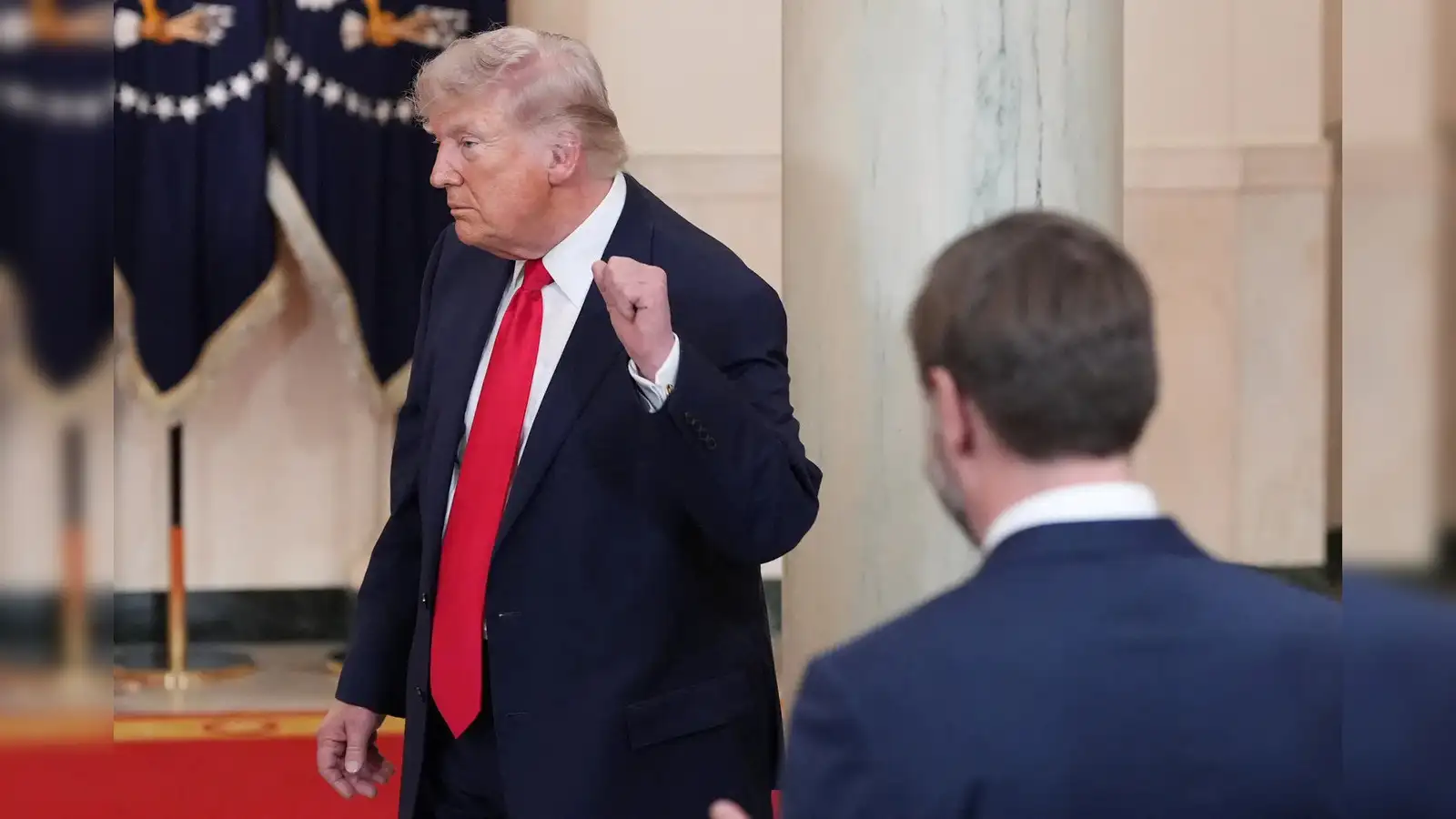
President Trump emphasized US military victories, but acknowledged Iran's ability to disrupt oil tanker movement.
"We won," Trump insisted. "They are militarily defeated."
Defense Secretary Pete Hegseth admitted the rescue was to avert a "potential tragedy," underlining the risks US forces face.
Iran's Strategic Deterrence: More Than Just Military Might?
Despite US military superiority, Iran's ability to deter oil tankers via drones, missiles, and mines in the Strait of Hormuz is a powerful asset.
Trump acknowledged this "psychology" could be more potent than the US is willing to admit.
The Strait of Hormuz is a vital waterway, and its disruption could have significant global consequences.
The Limits of Military Power and the Threat of Escalation
Trump conceded that military power has its limits, noting the ease with which Iran could close the Strait of Hormuz.
"We can bomb the hell out of them... But to close the Strait, all you need is one terrorist."
While Trump expressed reluctance to pursue further military action, he acknowledged the potential for devastating consequences.
He also mentioned that rebuilding after any destruction would be a lengthy and costly process, potentially taking decades or even a century.
Hopes for a Breakthrough Amidst Opacity
Despite the tensions, Trump expressed hope for a potential deal with Iran.
"We have an active, willing participant on the other side. They would like to be able to make a deal."
However, he remained opaque about the details of any potential plan. He stated, "every single thing has been thought out by all of us," but offered no specifics.
What to Watch Next
The world will be watching for any signs of de-escalation or further escalation in the US-Iran relationship. A key indicator will be any movement in the Strait of Hormuz, and whether diplomatic efforts gain traction in the coming weeks.