
Iran says it is “ready for everything” after Trump warns of being wiped out
What happened: Iran responded sharply to US President Donald Trump’s warning that the country could be “wiped off the face of the earth,” saying it...
-
What happened: Iran responded sharply to US President Donald Trump’s warning that the country could be “wiped off the face of the earth,” saying it is prepared for any outcome.
-
Why it matters now: The exchange comes amid rising US–Iran tensions, military posturing in the Middle East, and renewed rhetoric over Iran’s nuclear programme.
-
What changes for people: Escalation risks regional instability, affecting energy markets, security, and diplomatic efforts.
-
Who is affected: Iran, the United States, Middle East countries, global powers, and international institutions monitoring the crisis.
Iran has pushed back strongly against fresh threats from US President Donald Trump, declaring that it is prepared for any scenario and warning that further escalation would destabilise the Middle East.
The response came after Trump said Iran could be “wiped off the face of the earth” if anything were to happen to him, remarks that have intensified already strained relations between Washington and Tehran.
“We are also ready for everything”
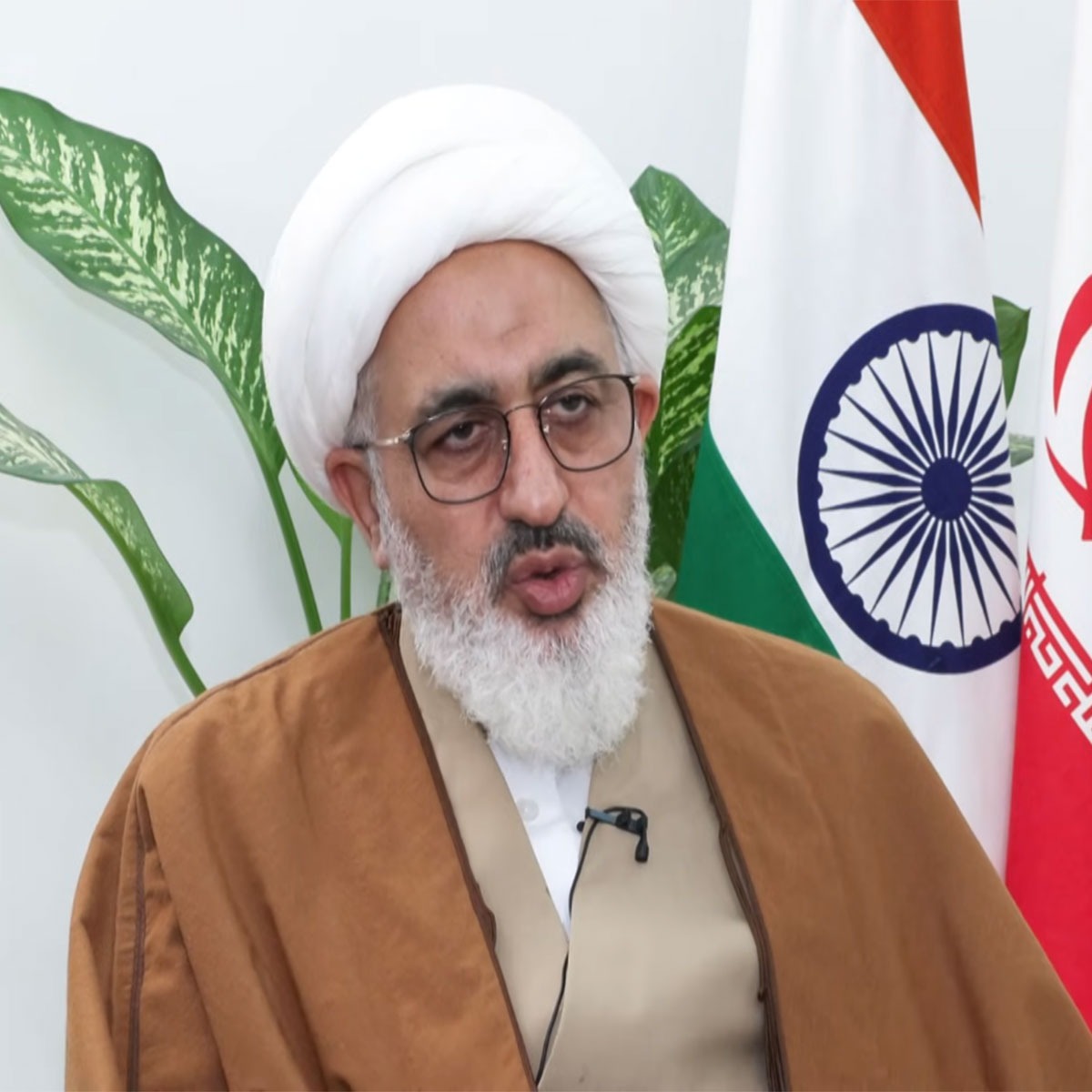
Reacting to Trump’s comments, Abdul Majid Hakeem Ilahi, the Indian representative of Iran’s Supreme Leader, said such rhetoric was not new and would not intimidate Tehran.
Speaking to ANI, Ilahi said Iran has long faced hostile language from the US and remains prepared for any outcome.
Underline: Iran says it will not be pressured by threats and is ready for all possibilities.
Trump’s remarks followed allegations by US officials of threats from Iranian leaders and came alongside warnings of severe retaliation.
Trump escalates rhetoric on Iran
Trump has repeatedly raised the possibility of military action against Iran and questioned the legitimacy of Iran’s leadership.
In recent interviews, he said that if an assassination threat were carried out, Iran would be “blown up”, and also suggested it was time for new leadership in Tehran.
US media reports indicate that the Pentagon is redeploying a carrier strike group to the US Central Command region, which includes the Middle East, further fuelling concerns of escalation.
Iran reiterates rejection of nuclear weapons
Addressing one of the core flashpoints in US–Iran relations, Ilahi reiterated that Iran does not seek nuclear weapons.
He said Iran’s stance is based on a religious decree issued by Supreme Leader Ayatollah Seyyed Ali Khamenei, which declares nuclear weapons forbidden.
According to Ilahi, Iran’s nuclear programme is focused on:
-
Medical treatments
-
Energy production
-
Humanitarian and civilian needs
Underline: Iran says its nuclear activities are peaceful and religiously bound against weapons.
He also accused the international community of applying double standards, arguing that Iran faces sanctions and scrutiny while other nuclear-capable countries do not.
Warning of regional fallout
While defending Iran’s position, Ilahi said Tehran does not seek conflict and warned that continued escalation would harm the entire region.
He said tensions driven by powerful actors risk burning the Middle East, with consequences for all neighbouring countries.
Underline: Iran warned that conflict would not remain contained and would destabilise the region.
Defence of protest response and internet curbs
Ilahi also responded to US criticism of Iran’s handling of nationwide protests and restrictions on internet access.
He said international internet access was curtailed to restore calm, while local networks remained operational.
He accused hostile external groups of using social media to incite violence, alleging attacks on civilians, police, hospitals, mosques, and public institutions.
At the same time, he rejected claims that protests were entirely foreign-driven, but said violence could not be tolerated.
Criticism of international institutions
Ilahi criticised some international organisations, saying they have lost credibility and are influenced by powerful nations.
He expressed hope that global bodies, including the United Nations, would act independently and in the interests of global stability rather than geopolitical pressure.