
Iran Reopens Strait of Hormuz with New Routes Amid Mine Risk
Iran partially reopens Hormuz Strait with alternate routes due to mine risks.
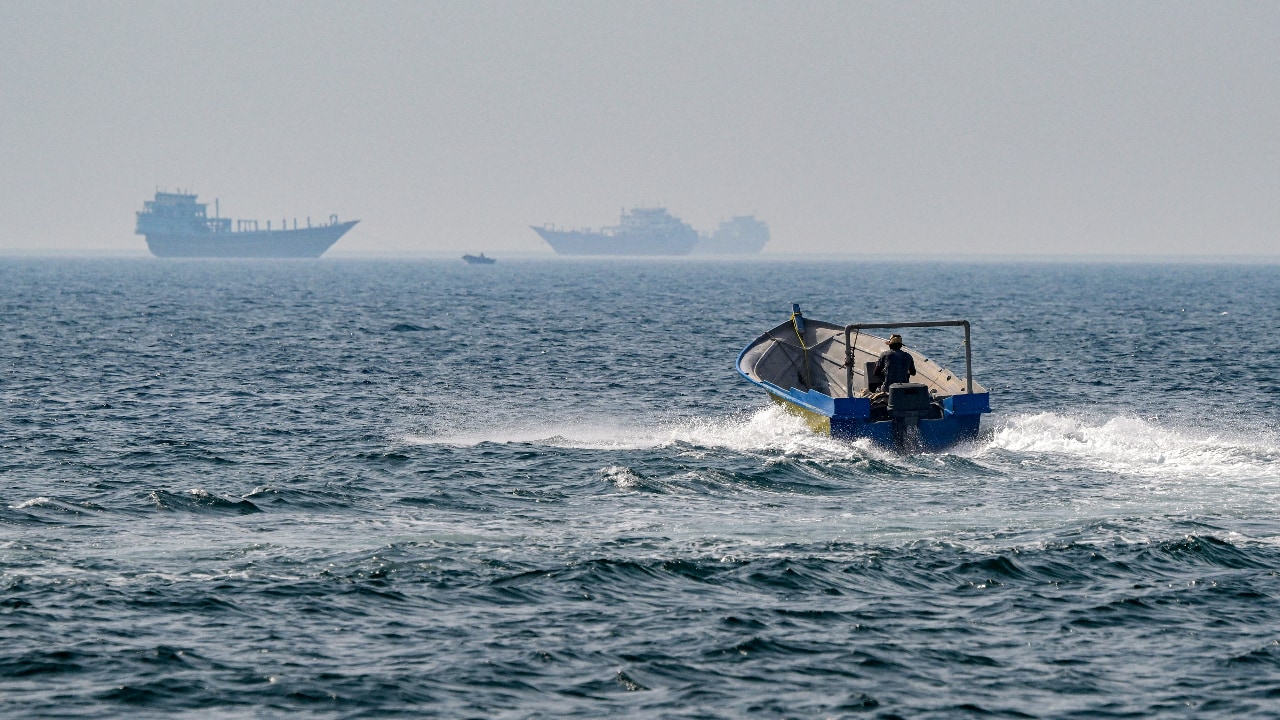
Top Summary
- What happened: Iran is partially reopening the Strait of Hormuz following a temporary ceasefire agreement, designating new shipping routes.
- Why it matters: The Strait is crucial for global energy; its disruption causes market volatility. Its closure since early March had significant impact.
- What changes for people: Ships must now use alternative routes to avoid sea mines, potentially adding to transit times.
- Who is affected: Global oil markets, shipping companies, and countries dependent on Hormuz oil flows are directly affected.
Hormuz Partially Reopens
Iran has announced the partial reopening of the Strait of Hormuz.
New alternative shipping routes are in place due to sea mine risks.
Alternative Routes Announced
Iran's Revolutionary Guards advised ships to use designated entry and exit routes.
These routes ensure compliance with maritime safety principles and prevent collisions with sea mines.
Ceasefire Agreement
The reopening follows a two-week ceasefire agreement with the United States.
The agreement was reached just before President Trump's deadline for restoring shipping through the Strait.
Impact on Global Energy
The Strait of Hormuz handles about one-fifth of the world’s oil flows.
Iran had effectively blocked the route since early March, triggering volatility in global energy markets.
Mine Risk Warning
"to comply with maritime safety principles and avoid possible collisions with sea mines"
This statement from the Revolutionary Guards underscores the seriousness of the mine threat.
What to Watch Next
Monitor global energy markets for stability following the partial reopening. Also, track adherence to the ceasefire agreement and the effectiveness of the new shipping routes in mitigating mine risks.