
Iran Refuses to Halt Uranium Enrichment as Nuclear Talks Resume Amid Rising US Tensions
Tehran says its nuclear programme is non-negotiable even as fresh sanctions, military pressure, and diplomatic talks reshape Middle East geopolitics. What happened: Iran’s Foreign Minister...
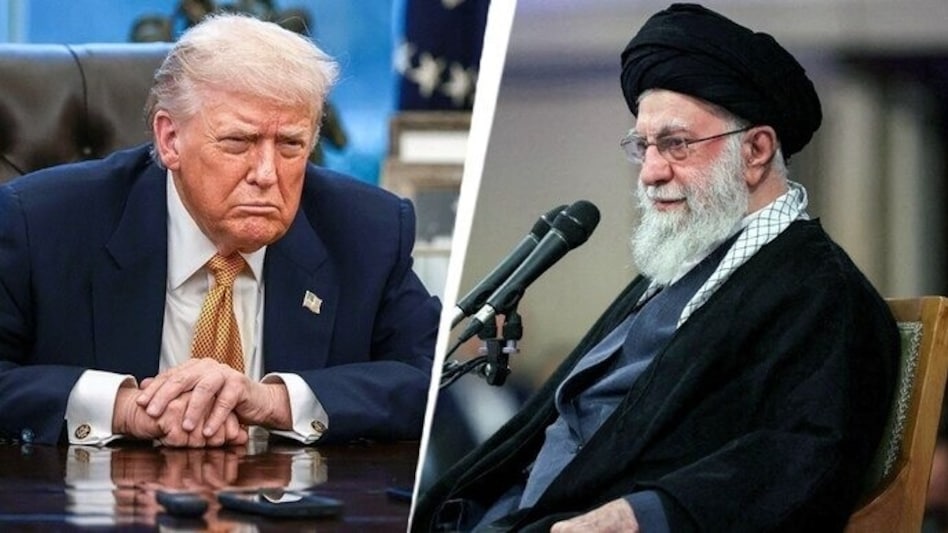
Tehran says its nuclear programme is non-negotiable even as fresh sanctions, military pressure, and diplomatic talks reshape Middle East geopolitics.
What happened:
-
Iran’s Foreign Minister Abbas Araghchi declared that Tehran will not abandon uranium enrichment, insisting that no country has the right to dictate its nuclear policy during ongoing negotiations with the United States.
Why it matters now:
-
The remarks come as Iran and the US resume high-stakes talks in Oman after years of stalled diplomacy, raising global concerns over nuclear escalation and regional security.
What changes for people:
-
Continued tensions could affect oil prices, global markets, international travel routes, and diplomatic relations across the Middle East.
Who is affected:
-
Middle Eastern nations, global energy markets, international investors, civilians in conflict-prone regions, and governments monitoring nuclear proliferation.
Iran draws a red line on uranium enrichment
Speaking at a public forum in Tehran, Foreign Minister Abbas Araghchi made it clear that uranium enrichment remains a core national policy. He rejected pressure from Washington and warned that even threats of military action would not force Iran to change course.
Key statement: Iran views enrichment as a sovereign right and says any agreement must respect its independence and national dignity.
Tehran insists its nuclear programme is peaceful, despite longstanding accusations from Western governments and Israel that the country is pursuing nuclear weapons capability.
Talks resume — but trust remains fragile
Diplomatic negotiations between Iran and the United States have restarted in Oman, marking the first significant engagement in years. Iran hopes for relief from economic sanctions that have strained its economy, while Washington seeks stricter limits on nuclear activities.
Iranian officials said they are open to confidence-building measures, but progress depends on mutual respect. Araghchi questioned whether the US is serious about diplomacy, pointing to new sanctions and military deployments in the region.
Analysts say the talks reflect a delicate balance — both sides showing willingness to negotiate while simultaneously increasing pressure.
US military presence raises stakes
Tensions escalated as the United States showcased its military strength in the region, including the deployment of the aircraft carrier USS Abraham Lincoln. Senior US officials visited the vessel, reinforcing Washington’s message of deterrence.
American leaders described the strategy as “peace through strength,” while Iran dismissed the deployment as ineffective pressure tactics.
The contrasting narratives highlight the fragile nature of the negotiations, where diplomacy and military signalling are unfolding simultaneously.
Sanctions, tariffs, and economic pressure
Despite diplomatic engagement, Washington announced new tariffs on countries trading with Iran and imposed additional sanctions targeting shipping firms linked to Iranian oil exports.
Tehran argues that such measures undermine trust and cast doubt on US intentions. Iran’s economy, heavily affected by sanctions, remains under pressure from inflation, unemployment, and currency instability.
Key context: Iran hopes sanctions relief could revive trade and stabilise its financial system, but uncertainty over negotiations continues to weigh on markets.
Domestic unrest adds another layer of complexity
The nuclear talks are unfolding against a backdrop of protests inside Iran sparked by economic hardship and political grievances. Authorities reported over 3,000 deaths linked to the unrest, while human rights groups claim significantly higher figures.
The internal situation increases pressure on Iranian leaders to secure economic relief, making the outcome of negotiations even more critical for domestic stability.
Observers say internal tensions could influence how far Tehran is willing to compromise during talks.
Multiple perspectives: sovereignty vs global security
Iranian officials frame enrichment as a matter of national sovereignty and resistance against external control. Supporters argue that abandoning enrichment would weaken the country’s strategic position.
Western governments and regional allies, however, view the programme as a potential security threat, pushing for stricter oversight and limitations.
Some analysts believe both sides are attempting to project strength ahead of any potential agreement, suggesting that strong rhetoric may be part of broader negotiation tactics.
Global impact on energy, diplomacy, and geopolitics
The outcome of the Iran-US talks could reshape oil markets, influence global inflation trends, and alter diplomatic alignments in the Middle East. Rising tensions often lead to volatility in energy prices — a concern for countries heavily dependent on oil imports.
The negotiations also reflect wider geopolitical shifts, with major powers closely watching how nuclear diplomacy evolves in an increasingly unstable region.