
Iran Permits Some Ships Through Hormuz Strait Amid West Asia Conflict
Iran has allowed some ships to pass through the Strait of Hormuz.
Top Summary
- What happened: The Iranian ambassador to India announced that Iran has permitted some vessels to pass through the Strait of Hormuz, a crucial trade route, amid ongoing conflict.
- Why it matters: The Strait is vital for India's LPG imports. Its closure threatens energy supplies, potentially impacting Indian consumers and the economy.
- What changes for people: Some Indian ships carrying LPG have now passed through the Strait, easing immediate supply concerns. Further passage negotiations are ongoing.
- Who is affected: India, its LPG consumers, shipping companies, and the Indian government involved in diplomatic efforts.
Iran Allows Passage, Details Remain Vague
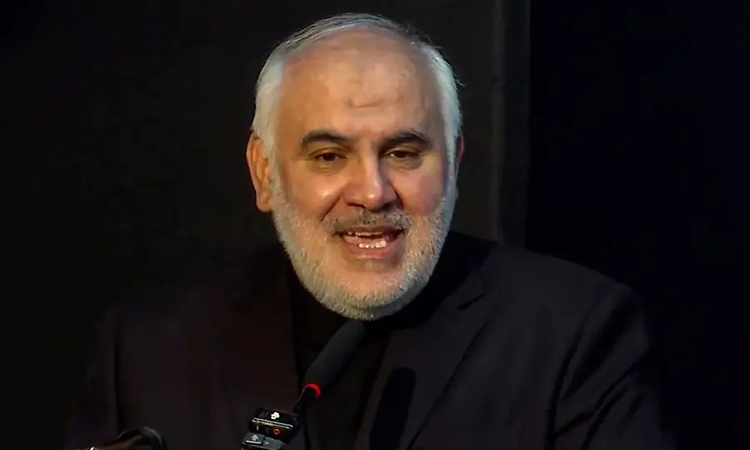
Iranian ambassador to India, Mohammad Fathali, announced on Saturday, March 14, 2026, that Iran has “allowed some ships” to pass through the Strait of Hormuz.
He did not specify the exact number of vessels permitted passage. The statement comes amid heightened tensions and conflict in West Asia.
India's Diplomatic Efforts Bear Fruit
Mr. Fathali confirmed passage was granted following telephonic conversations between the foreign ministers of India and Iran, addressing concerns about potential LPG shortages.
When asked if Indian ships were allowed passage and for how long, he stated, “Yes, we have allowed, but let me not tell how many.”
Two Indian Ships Safely Cross Strait
A senior official in the Shipping Ministry reported that two Indian ships, Shivalik and Nanda Devi, carrying LPG from Gulf countries, crossed the Strait of Hormuz early on Saturday, March 14.
This brings the total number of Indian vessels safely passing through the strait to three. 22 ships remain on standby west of the strait.
Strait of Hormuz: A Critical Chokepoint
The Strait of Hormuz is a strategic narrow sea lane between the Persian Gulf and the Gulf of Oman.
India imports 60% of its LPG needs, with 85-90% sourced from Gulf countries, making the Strait a critical transit route.
India-Iran Relations: A Historical Perspective
Mr. Fathali emphasized the historical ties and common interests between Iran and India. “I believe Iran and India also have common interests,” he said.
“I also believe if there is any rift or gap between these two countries, their enemies will use it... Both sides have the maturity that they can handle these political and social issues together and solve everything,” he added.
High-Level Discussions
The ambassador referenced a phone call on Thursday, March 12, between Prime Minister Narendra Modi and Iranian President Masoud Pezeshkian, focusing on the "serious situation" in West Asia.
Mr. Fathali asserted, “We are now supporting each other,” and stated that Indians feel the pain Iranians are suffering.
“We have to enhance the relationship between India and Iran,” he added.
Iran's Readiness for War and Negotiations
When questioned about anticipating the attack, Mr. Fathali stated, “Iran is ready for negotiations and the war. But we prefer negotiations... We had entered into negotiations. But, despite well intentions...”
He further added that Iran is “ready for this war”, reiterating that “you can start, but you cannot finish”.
Impact of Khamenei's Death
The West Asia conflict escalated following the U.S. and Israel’s military attack on Iran on February 28, resulting in the death of Supreme Leader Ali Khamenei.
Mr. Fathali mourned, "We have lost our great figure, our great leader... great father." He added, "His Eminence stood on the right side of history... Iranian people and all free nations are deeply saddened over this martyrdom."
Donations for Humanitarian Aid
The Iranian Embassy in India has announced a bank account for those wishing to provide humanitarian assistance to Iranians affected by the war.
- Bank Account Name: Embassy of Iran
- Bank Account Number: 11084232535
- IFS Code: SBIN0000691
Donors can send payment receipts via WhatsApp to: +91 98998 12318.
What to Watch Next
The situation in the Strait of Hormuz remains fluid. Further developments will depend on ongoing diplomatic efforts and the overall trajectory of the conflict in West Asia, with potential impacts on global energy markets and India's LPG supply.