
“Internal failings”: India rejects Pakistan’s ‘baseless’ claims over Balochistan attacks
What happened: India has categorically rejected Pakistan’s allegations that New Delhi backed recent attacks in Balochistan that killed dozens. Why it matters: The exchange sharpens...
-
What happened: India has categorically rejected Pakistan’s allegations that New Delhi backed recent attacks in Balochistan that killed dozens.
-
Why it matters: The exchange sharpens India-Pakistan tensions amid a major security crisis in Pakistan’s most volatile province.
-
What changes for people: Diplomatic rhetoric hardens as Pakistan battles insurgency at home, with no evidence publicly presented to support the claims.
-
Who is affected: Civilians and security forces in Balochistan, Pakistan’s political leadership, and regional stability watchers.
Powerful lead
As violence engulfed Pakistan’s restive southwest, New Delhi delivered a blunt response. India dismissed Islamabad’s allegations over the Balochistan attacks as “baseless”, accusing Pakistan of deflecting blame for what it called deep-seated internal failings.
What happened
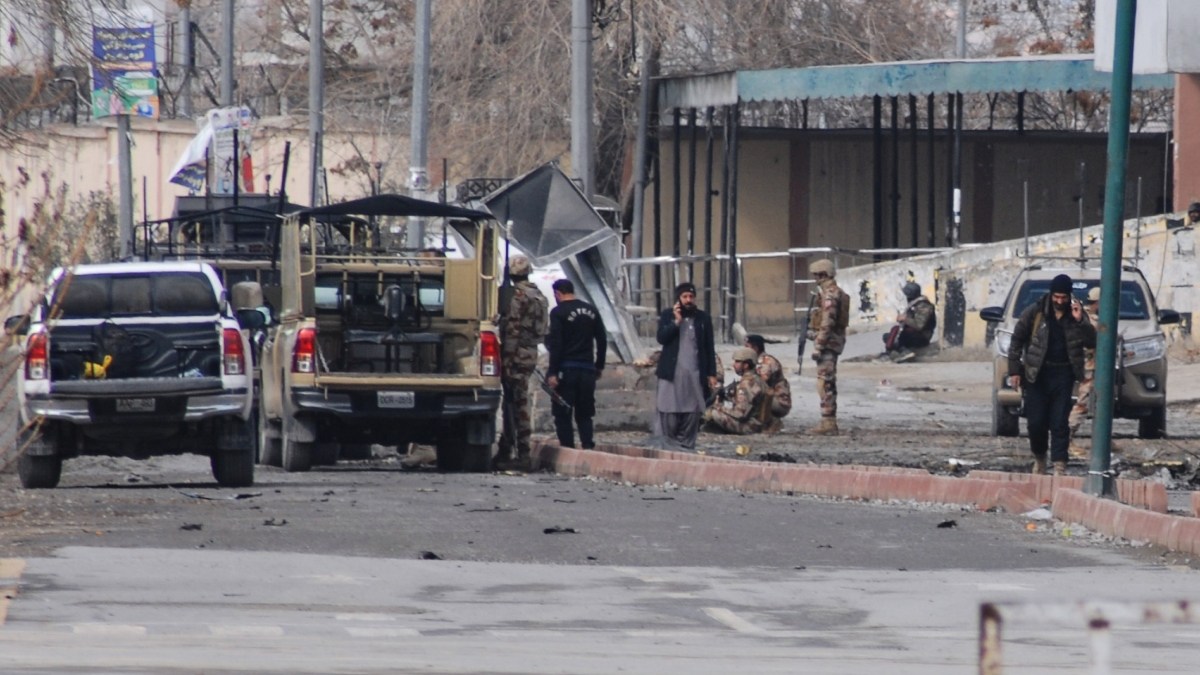
Following coordinated attacks across Balochistan that left dozens dead, Pakistan’s military and Interior Minister Mohsin Naqvi alleged Indian support for the assailants.
India’s Ministry of External Affairs hit back on X, stating that New Delhi “categorically rejects the baseless allegations”, calling them a familiar tactic to shift focus away from domestic problems.
Randhir Jaiswal urged Pakistan to look inward rather than “parroting frivolous claims” after every violent incident.
India’s position: Look at Balochistan, not abroad
India’s response centred on Pakistan’s governance of the province.
-
New Delhi advised Islamabad to address long-standing demands of Balochistan’s people
-
It pointed to allegations of suppression, brutality, and human rights violations
-
India said Pakistan’s record in the region is “well known”
The message: the roots of the violence are internal, not external.
What happened on the ground in Balochistan
According to Pakistani officials, attackers struck almost simultaneously across multiple districts:
-
Quetta, Gwadar, Mastung, and Noshki
-
Gunmen entered hospitals, schools, banks, and markets disguised as civilians
-
Civilians were allegedly used as human shields
Balochistan Chief Minister Sarfraz Bugti said:
-
17 law enforcement personnel and 31 civilians were killed
-
Security forces launched large-scale counter-operations
Pakistan’s military claimed:
-
92 separatists killed on Saturday
-
41 killed on Friday
Officials described it as the deadliest such crackdown in years.
Rising concerns over civilian targeting
Pakistan’s Defence Minister Khawaja Asif said separatist groups are increasingly targeting civilians, labourers, and low-income communities, adding that two attacks involved female perpetrators.
The military said it prevented militants from seizing any city or strategic installation.
Who claimed responsibility
The Baloch Liberation Army claimed responsibility, announcing a coordinated operation named “Herof” (Black Storm).
-
The group claimed 84 security personnel killed
-
Said 18 were captured
-
These claims could not be independently verified
Why Balochistan keeps boiling
Balochistan is Pakistan’s largest but poorest province, rich in minerals and energy but plagued by a decades-long insurgency.
Separatist groups say they are fighting for:
-
Greater autonomy
-
A fairer share of natural resource revenues
The Pakistani state maintains it is battling terrorism and foreign-backed militancy.
Bottom line
India’s rejection of Pakistan’s allegations underscores a familiar fault line: Islamabad points outward, New Delhi points inward. As Balochistan bleeds from one of its worst security crises in years, the diplomatic war of words risks overshadowing the deeper question—how the conflict inside Pakistan’s borders can be resolved.