
Inflammation: The Silent Driver Behind Diabetes, Fatty Liver, and Heart Issues
Chronic inflammation, not just weight, is a key factor in metabolic diseases.
Top Summary
- What happened: Research highlights chronic inflammation as a major cause of metabolic diseases like diabetes, fatty liver, and heart problems.
- Why it matters: Focusing solely on weight loss ignores a critical underlying factor affecting millions, especially in South Asia.
- What changes: Emphasizes lifestyle changes, diet quality, and inflammation reduction for better metabolic health, rather than just calorie counting.
- Who is affected: Individuals at risk of or diagnosed with diabetes, fatty liver disease, heart problems, and those with normal BMI but poor metabolic health.
The Inflammation Connection
For years, conversations around diabetes, fatty liver disease, and heart conditions have largely focused on body weight. The prevailing advice was simple: lose weight. While weight management remains important, modern science is revealing a significant underlying factor: chronic inflammation.
This metabolic inflammation is a low-grade, persistent, and often silent process. It subtly disrupts the body's ability to process sugar, store fat, and protect blood vessels. Leading scientific organizations now recognize inflammation as a key driver, not just a consequence, of metabolic diseases.
How the Liver Links It All
Diabetes, fatty liver disease, and heart disease are interconnected. They often develop concurrently because they share common metabolic pathways, with the liver playing a crucial role.
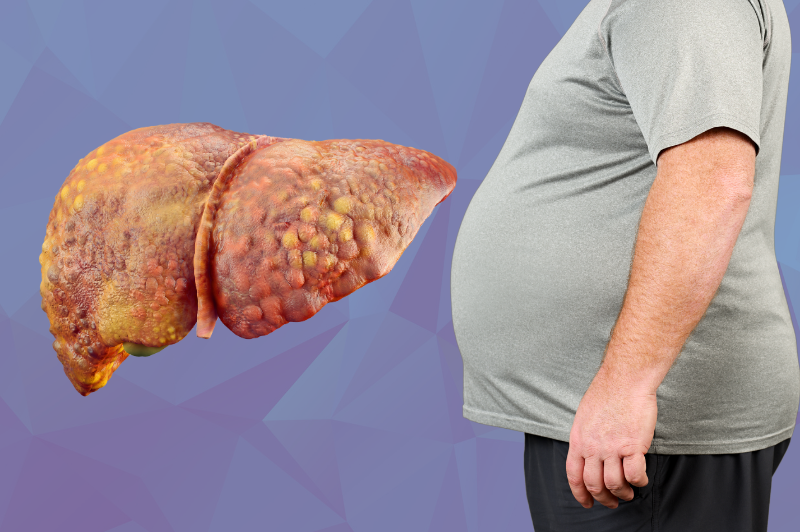
When the body consistently receives more refined carbohydrates, sugars, and excess calories than it requires, the liver starts converting the surplus energy into fat. This leads to fatty liver disease over time.
A fatty liver doesn't just store fat. It releases chemical signals that amplify inflammation throughout the body. These signals interfere with insulin function, impairing blood sugar control. As insulin resistance increases, the pancreas struggles, and blood glucose levels rise.
The same inflammatory processes impact the inner lining of blood vessels, increasing their vulnerability to damage and plaque formation. This elevates the risk of heart disease and stroke.
Food and Lifestyle's Impact
Our dietary choices and lifestyle have a profound influence on inflammation levels. What we eat and how we live can either exacerbate or alleviate inflammatory signals.
Foods that promote inflammation include highly processed items, excess sugar, refined flour products, and frequent sugary drinks. These lead to repeated spikes in blood sugar and insulin, promoting fat storage in the liver and worsening insulin resistance.
Conversely, diets rich in vegetables, whole foods, legumes, nuts, seeds, and healthy fats support a more balanced metabolic environment. These foods provide fiber, antioxidants, and beneficial fats that help reduce oxidative stress and support gut health – two vital factors in lowering inflammation.
Modern nutrition recommendations now increasingly prioritize food quality over simply counting calories. It's crucial to remember that metabolic diseases aren't limited to those who are overweight. Many, particularly in South Asian populations, develop fatty liver and insulin resistance despite having a normal BMI.
Metabolic health is more than just a number on the scale.
Small Changes, Big Impact
Focus on these small, simple changes to address inflammation and promote long-term metabolic health:
- Improve protein intake: Include quality proteins like lentils, beans, soy products, eggs, dairy, nuts, and seeds to stabilize blood sugar and support muscle health.
- Limit refined carbohydrates: Reduce white flour products, sugary desserts, and sweetened drinks to prevent glucose spikes.
- Add fiber to every meal: Vegetables, fruits, whole grains, and legumes feed beneficial gut bacteria and control appetite and blood sugar.
- Include healthy fats: Nuts, seeds, olive oil, and fatty fish contain fats that support heart health and reduce inflammation.
- Stay physically active: Regular movement improves insulin sensitivity and supports liver health. Even daily walking makes a difference.
- Protect sleep and manage stress: Poor sleep and chronic stress increase inflammatory hormones and worsen metabolic imbalance.
Instead of solely focusing on weight loss, aim to improve your overall lifestyle to balance your metabolism. Metabolic health is about creating daily habits that allow your body to function smoothly and recover from stress.
What to Watch Next
Future research will likely delve deeper into the specific mechanisms by which different foods and lifestyle factors influence inflammation pathways. Expect to see more personalized recommendations tailored to individual needs and genetic predispositions regarding metabolic health.