
Indore Water Tragedy Exposes Deep Cracks in India’s Urban Public Health Safeguards
Deaths linked to contaminated municipal supply raise urgent questions on water safety, accountability, and governance The deadly water contamination crisis unfolding in Indore has become...
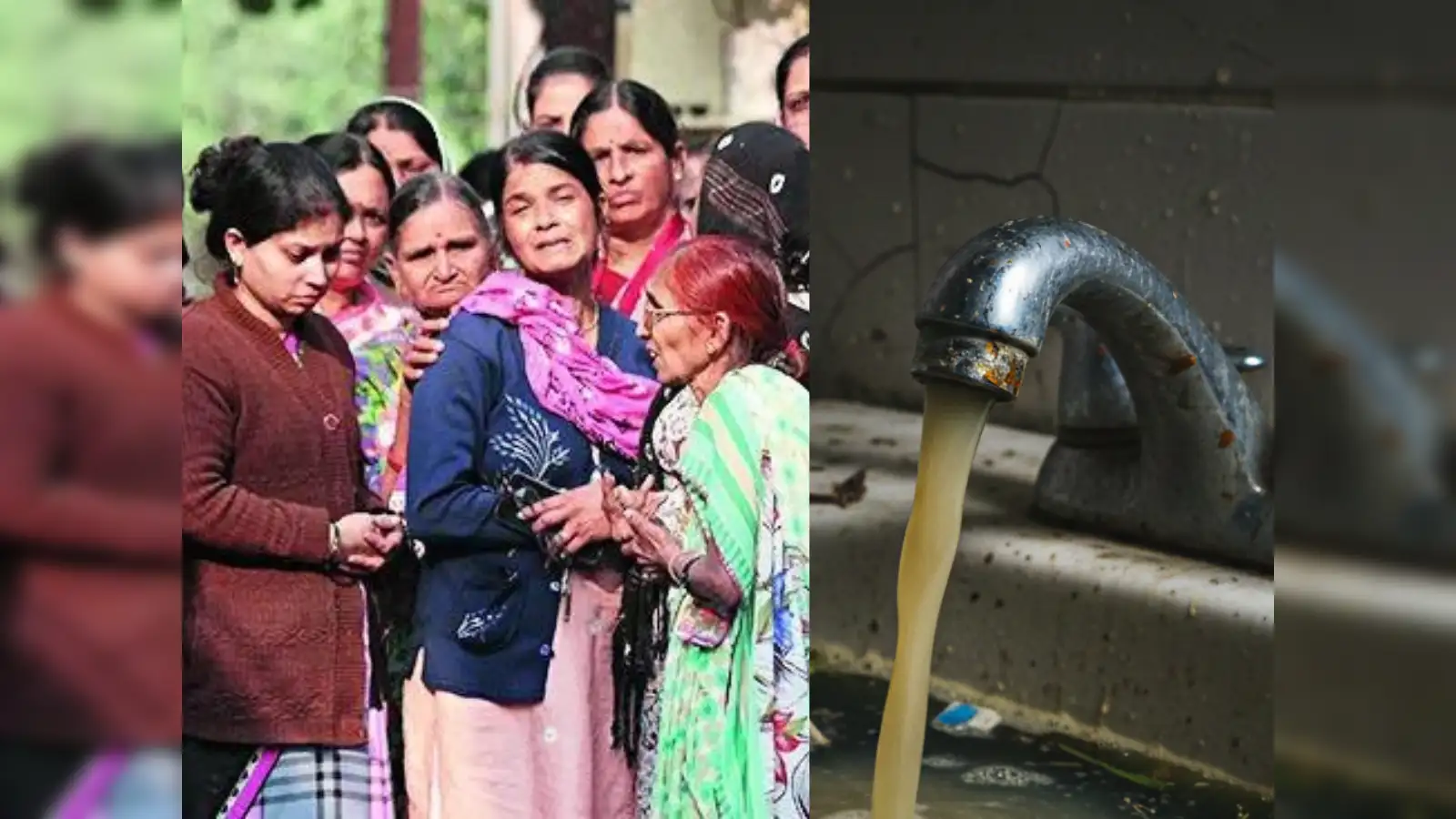
Deaths linked to contaminated municipal supply raise urgent questions on water safety, accountability, and governance
The deadly water contamination crisis unfolding in Indore has become a stark reminder that access to basic services means little without safety and accountability. At least four people—including an infant—have officially died after consuming municipally supplied drinking water, while more than 2,000 residents have fallen ill. Over 200 patients remain hospitalised, with at least 32 in intensive care, according to state health officials. Unofficial estimates from local groups and residents put the death toll significantly higher.
The scale of the outbreak has shocked the city and the country, particularly because Indore has been repeatedly ranked India’s cleanest city for its waste segregation, sanitation practices and civic engagement. The irony has not been lost on public health experts, who say the crisis underscores how cleanliness rankings do not automatically translate into safe water or robust health systems.
A Preventable Crisis
Initial statements from local authorities have attributed the contamination to delays in commissioning a new water supply line, triggering the now-familiar cycle of blame and post-crisis inquiries. A government committee has been set up to investigate the incident. However, experts argue that such explanations sidestep the core issue: failures in routine monitoring, early warning systems and transparent communication.
Public health specialists note that a municipal water supply is classified as an “improved source” under national and international standards precisely because it is expected to be treated, monitored and safe. “If basic checks had been functioning, contamination should have been detected before it reached households,” said a senior water governance expert, adding that timely public advisories could have prevented loss of life.
A Pattern, Not an Isolated Incident
The Indore tragedy is not an isolated case. In November, students at the Vellore Institute of Technology campus near Bhopal staged protests after dozens fell ill with jaundice linked to contaminated water. Together, the incidents point to systemic weaknesses in Madhya Pradesh’s water management—particularly in fast-growing urban and peri-urban areas.
These failures come despite flagship national programmes such as the Swachh Bharat Mission and the Jal Jeevan Mission, which have expanded access to sanitation and piped water across the country. According to National Family Health Survey (NFHS) data, about 96% of Indian households now report using an “improved” source of drinking water, with a persistent but narrowing rural-urban gap.
Yet public health researchers caution that access statistics can mask quality risks. “Providing water connections is only half the job,” said an environmental health researcher. “Ensuring that water is consistently safe is far more complex—and far more important.”
Why Water Quality Matters More Than Ever
India already faces a heavy burden of water-borne diseases, exacerbated by aging infrastructure, leaking pipelines, sewage intrusion and weak enforcement of environmental laws. With the country’s population nearing 147 crore, even small lapses in water safety can affect thousands within days.
The Indore outbreak also comes at a time when air pollution is severely impacting health outcomes across Indian cities. Experts warn that unsafe drinking water compounds these risks, placing disproportionate strain on poorer communities who have limited access to private healthcare or alternative water sources.
The Road Ahead: From Rankings to Resilience
Public health advocates are calling for immediate audits of water supply systems across all states, including testing for chemical contamination and sewage intrusion. They also stress the need to repair or replace old pipelines, enforce water quality standards strictly, and invest in real-time monitoring and transparent reporting.
Equally important, experts say, are public awareness campaigns that help residents recognise early warning signs and respond quickly during contamination events.
“The true measure of a city’s cleanliness is not awards or rankings, but whether its most vulnerable residents can drink water without fear,” said a civil society representative working on urban health issues.
The deaths in Indore should serve as a national wake-up call. Without urgent reforms in water governance and enforcement, more Indian cities risk repeating the same mistakes—with fatal consequences.