
Indore water contamination deaths expose civic failure in India’s ‘cleanest city’
A deadly water contamination crisis has shaken Indore, a city repeatedly ranked India’s cleanest, after at least 10 people died and hundreds were hospitalised from...
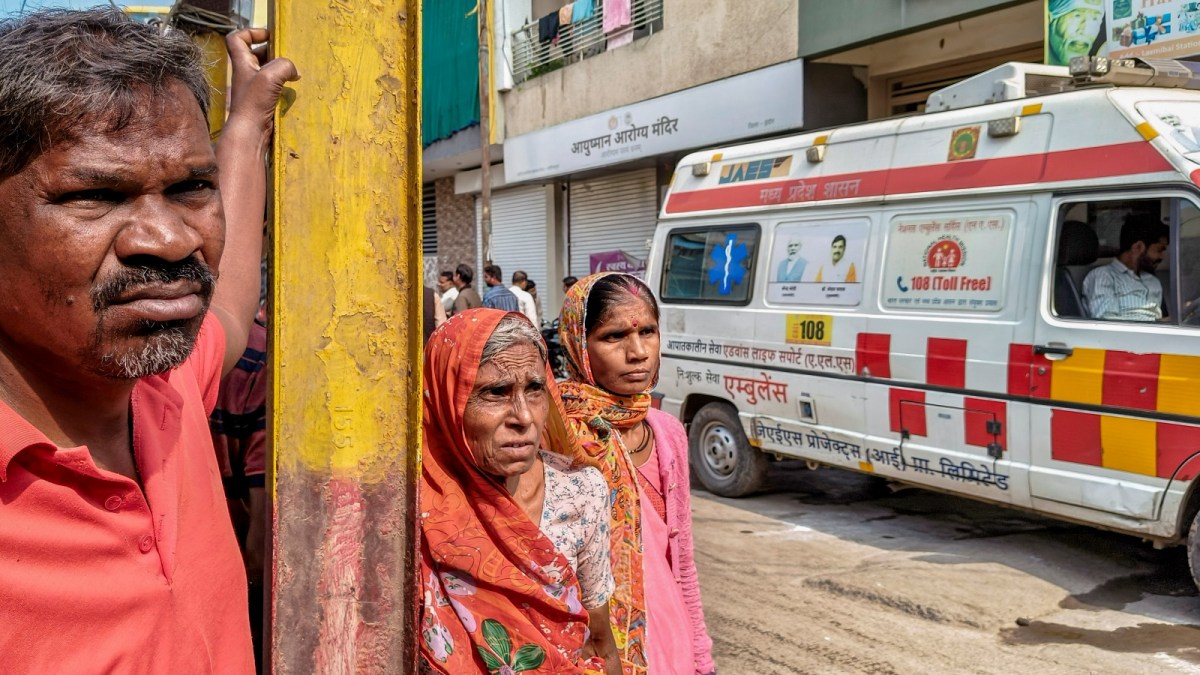
A deadly water contamination crisis has shaken Indore, a city repeatedly ranked India’s cleanest, after at least 10 people died and hundreds were hospitalised from consuming polluted drinking water. The unfolding tragedy has prompted the Madhya Pradesh High Court to order emergency measures, bringing into focus years of ignored warnings and deteriorating civic infrastructure.
High Court orders emergency action
Responding to a public interest petition, the High Court directed the Indore Municipal Corporation to immediately supply additional water tankers and ensure uninterrupted access to safe drinking water. The court also emphasised maintaining the city’s public spaces, a remark that has drawn criticism amid the loss of lives.
The directive comes as hospitals across Indore continue to treat patients with symptoms linked to toxic water exposure, particularly in older residential pockets.
Warnings ignored for nearly a decade
Official records reveal the crisis was foreseeable. A State Pollution Control Board report from 2016 to 2017 had identified sewage mixing with drinking water lines in Bhagirathpura and 58 other locations across Indore. Despite these findings, corrective work was not undertaken.
BJP corporator Kamal Waghela has publicly stated that he wrote multiple letters to civic authorities requesting replacement of ageing water pipelines in Bhagirathpura. No action followed.
The consequence has been severe. Official figures confirm 10 deaths, with health officials acknowledging that the number of affected residents could rise as investigations continue.
Political response fuels outrage
Public anger has grown after comments made by senior BJP leader Kailash Vijayvargiya, which critics described as dismissive during media questioning. Opposition parties say the remarks reflect a deeper culture of administrative impunity.
The Congress and Aam Aadmi Party have accused the state government of negligence, demanding accountability from both elected officials and senior municipal officers.
Cleanliness rankings under question
Indore has topped the Swachh Survekshan cleanliness rankings for multiple consecutive years. The current crisis has raised uncomfortable questions about how sanitation scores are measured and whether invisible infrastructure such as water pipelines receives adequate scrutiny.
Urban policy experts note that cleanliness surveys often prioritise surface-level indicators like waste management while underground utilities remain neglected, especially in lower-income areas.
Why this matters now
Unsafe drinking water poses an immediate public health risk, particularly during peak summer months when dependence on municipal supply rises. The crisis also exposes systemic weaknesses in urban governance, with implications for public trust, healthcare readiness, and disaster prevention.
Authorities have said water samples are being tested and pipeline inspections are underway. However, no timeline has been announced for permanent repairs.
What to watch next
-
Whether criminal or disciplinary action is initiated against officials linked to ignored safety reports.
-
Results of fresh water quality tests across Indore’s vulnerable zones.
-
Possible changes to national cleanliness rankings criteria following the crisis.