
IndiGo Flight Crisis Enters Day 5: Over 400 Cancellations Hit Major Airports as Government Orders Probe
The nationwide disruptions caused by IndiGo’s crew-rostering breakdown stretched into a fifth day on Saturday, forcing the airline to cancel more than 400 flights across...
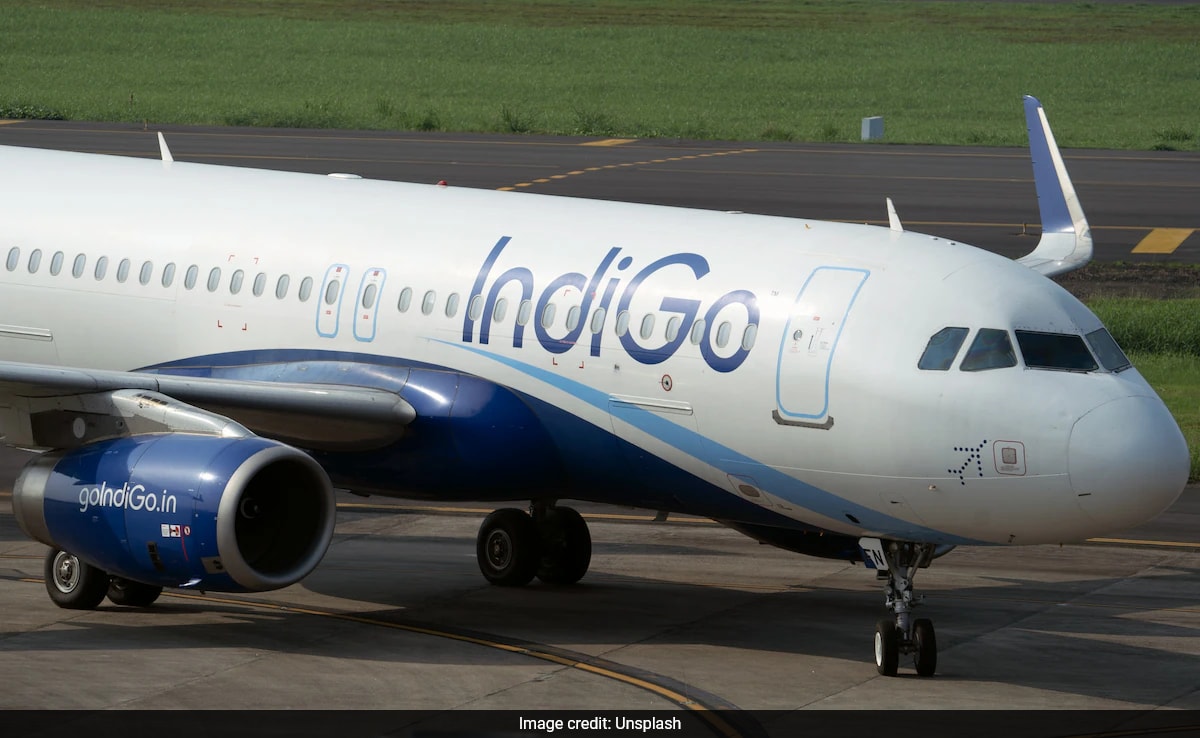
The nationwide disruptions caused by IndiGo’s crew-rostering breakdown stretched into a fifth day on Saturday, forcing the airline to cancel more than 400 flights across India’s busiest airports despite temporary regulatory relief.
India’s largest airline by market share, IndiGo, struggled for operational stability on Saturday as its cascading roster issues triggered another wave of mass cancellations. According to officials familiar with the situation, airports in Bengaluru, Mumbai, Delhi, and Hyderabad accounted for the highest number of grounded flights, intensifying pressure on the aviation sector and frustrating thousands of passengers.
The crisis unfolded even as the Directorate General of Civil Aviation (DGCA) relaxed recently tightened pilot duty-and-rest norms in an attempt to restore normal operations.
Where the Disruptions Were Worst
Bengaluru, Mumbai, Delhi, and Hyderabad Bear the Brunt
Data shared by senior civil aviation officials and sourced through PTI indicates:
-
Bengaluru: 124 cancellations (63 departures, 61 arrivals)
-
Mumbai: 109 cancellations (51 departures, 58 arrivals)
-
Delhi: 106 cancellations (54 departures, 52 arrivals)
-
Hyderabad: 66 cancellations
Other airports also felt the ripple effect. Thiruvananthapuram logged six cancellations, Ahmedabad saw 19 cancellations, and Pune recorded 42 cancellations.
At Mumbai and Chennai, visuals from passengers showed long queues, stranded travelers, and hours-long delays as airline staff tried to rebook disrupted passengers.
How the Crisis Began
IndiGo operates approximately 2,300 domestic flights daily, handling nearly two-thirds of India’s domestic air traffic. The massive disruptions began earlier in the week, reportedly triggered by a shortage of available pilots following the implementation of new, court-mandated Flight Duty Time Limitations (FDTL).
The new norms, aimed at improving pilot fatigue management, required rapid adjustments to flight rosters. IndiGo struggled to implement the changes at scale, resulting in a shortage of crew on duty.
On Friday alone, the airline cancelled over 1,000 flights, one of the largest mass disruptions in recent Indian aviation history.
Government Intervenes: ‘This Cannot Be Left Unattended’
Union Civil Aviation Minister Ram Mohan Naidu said on Friday that the scale of disruption was unacceptable and confirmed that the ministry had launched a formal probe.
The minister stated that restoring normalcy for passengers was the government’s “immediate priority,” adding that a committee would identify operational lapses and recommend accountability.
He further said the ministry was closely tracking IndiGo’s scheduling system, compliance with FDTL norms, and daily operational logs.
DGCA Rolls Back Restrictions to Stabilise Operations
Late Friday, the DGCA permitted temporary exemptions under FDTL rules, allowing IndiGo to deploy additional pilots and restructure its rosters more rapidly.
A senior aviation official told PTI the relaxations were issued to “restore normal operations at the earliest” and prevent a wider aviation slowdown, as other airlines were beginning to face secondary impacts from IndiGo’s cancellations.
Passengers Left Stranded Nationwide
Passengers across major cities reported missed connections, disrupted business travel, and extended waiting times at airports.
Travel analyst Meera Sondhi notes that “India’s aviation system is highly interconnected. When the largest carrier hits turbulence, the entire network absorbs the shock.”
Since IndiGo controls more than 60% of domestic capacity on some routes, alternatives for travelers were limited, leading to soaring last-minute ticket prices on competing airlines.
IndiGo Issues Public Apology and Promises Relief
IndiGo posted a public apology on X (formerly Twitter), assuring customers that refunds would be processed automatically.
The airline listed its support measures, including:
-
Full waiver on cancellations or rescheduling for travel between Dec 5–15, 2025
-
Automatic refunds to original payment modes
-
Hotel rooms, ground transport, and airport meals for stranded travelers
-
Lounge access for senior citizens wherever possible
-
An expanded contact centre to reduce wait times
The airline said passengers should avoid going to the airport if their flight shows as cancelled online.
IndiGo added that customers “will see incremental progress” and promised to “earn back their trust.”
Signs of Recovery Begin to Emerge
The Delhi International Airport operator said on Saturday evening that IndiGo operations were “steadily resuming” and urged passengers to check flight status before travelling.
Aviation experts caution that while operations may stabilise over the next few days, deeper systemic issues—such as high pilot workload, tight scheduling buffers, and dependence on a single airline for national connectivity—need long-term attention.
Social Media Summary (2–3 sentences)
India’s largest airline, IndiGo, is in the grip of a severe operational crisis, cancelling over 400 flights on Saturday alone as a crew-rostering breakdown enters its fifth day. The government has launched a probe, while DGCA issued emergency relaxations to stabilise the network. Passengers across major airports continue to face long delays and disruption.