
India–US trade deal: Hope and uncertainty as Trump cuts tariffs
A sudden thaw in India–US trade ties has lifted market sentiment in Asia’s third-largest economy. But behind the relief lies deep uncertainty, as details of...
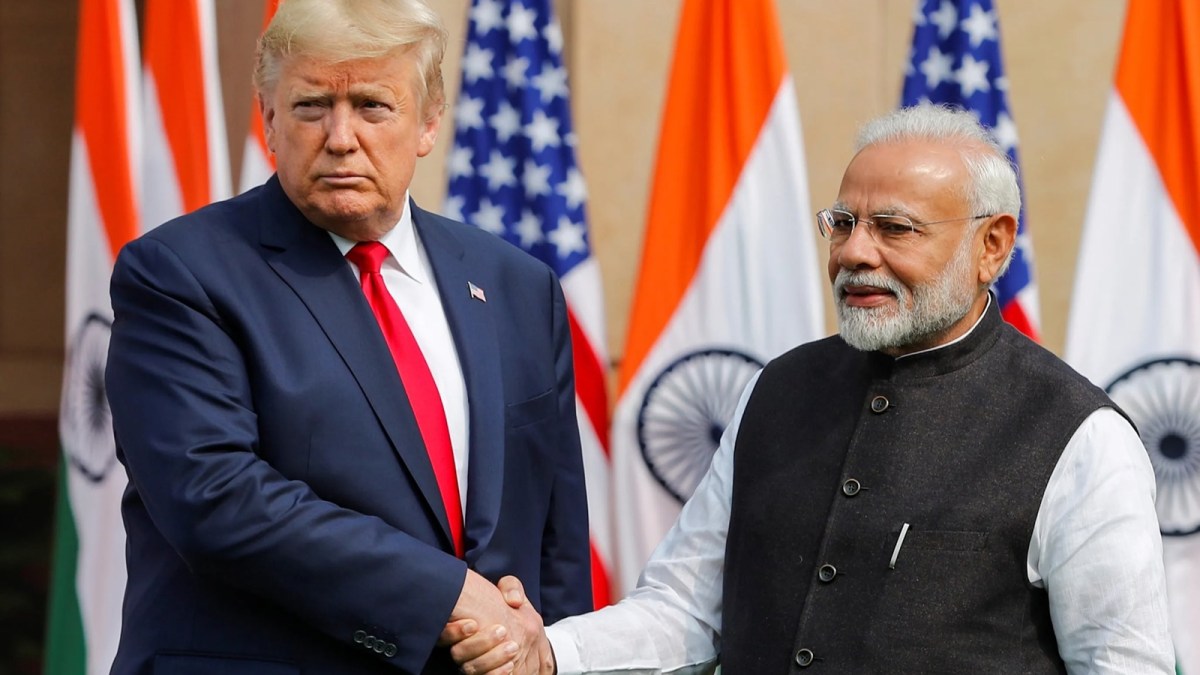
A sudden thaw in India–US trade ties has lifted market sentiment in Asia’s third-largest economy. But behind the relief lies deep uncertainty, as details of the long-delayed agreement remain unclear.
Top Summary
-
What happened: The US cut reciprocal tariffs on Indian exports from 50% to 18% after talks between leaders.
-
Why it matters now: The rollback eases pressure on exports, the rupee, and investor confidence after months of trade strain.
-
What changes for people: Export-heavy sectors get breathing space, but lack of clarity limits long-term planning.
-
Who is affected: Indian exporters, workers in textiles and seafood, investors, and US–India strategic relations.
What changed overnight
US President Donald Trump announced that reciprocal tariffs on Indian goods would be reduced to 18%, down from a punitive 50% imposed last year.
The earlier hike — from 25% to 50% in August — had made India one of the most heavily taxed exporters to the US, triggering sharp falls in shipments across textiles, seafood, and jewellery.
The new rate brings India broadly in line with Asian peers such as Vietnam, Thailand, and Bangladesh, which face duties ranging between 19% and 40%.
Why India is relieved
The tariff rollback removes what market participants described as a “hanging sword” over India’s economy.
-
Exports to the US had slumped
-
The rupee weakened amid trade uncertainty
-
Foreign investors pulled capital out in 2025
Fund manager Nilesh Shah said the move reduces stress on equities, currency, and interest rates, while cautioning that outcomes depend on the fine print.
Trump’s claims — and India’s silence
After a phone call with Narendra Modi, Trump claimed India had agreed to:
-
Stop buying discounted Russian oil
-
Increase purchases from the US — and potentially Venezuela
India has not confirmed these claims. Modi thanked Trump publicly “on behalf of 1.4 billion Indians” and spoke of taking the partnership to “unprecedented heights”, but avoided specifics.
This gap between rhetoric and confirmation is fuelling uncertainty.
A reset after a bruising trade war
Trump’s tariffs had strained what were once carefully cultivated ties between Washington and Delhi.
-
Job-creating export sectors were hit hardest
-
India accelerated trade diversification
-
Delhi signed multiple new agreements to hedge risk
Just last week, India and the EU unveiled what officials called the “mother of all trade deals”, eliminating tariffs on 80–90% of goods — India’s ninth free trade pact in four years.
The US deal had appeared stalled until now.
Supply chains and the China question
Economists say the tariff cut strengthens India’s case as a China alternative in global supply chains.
Shilan Shah of Capital Economics noted that India still offers:
-
Low labour costs
-
Political stability
-
A large domestic consumer market as a hedge against future tariffs
Lower duties improve India’s competitiveness at a time when companies are rethinking overdependence on China.
Sector spotlight: Textiles and seafood
Indian textile exporters welcomed the move, calling the US their single-largest market.
The Confederation of Indian Textile Industry said the rollback would help Indian firms “compete effectively” again, after months of order losses and margin pressure.
Seafood exporters, particularly shrimp producers in Andhra Pradesh, also stand to benefit after a sharp downturn.
Why experts urge caution
Trade analysts warn that celebration may be premature.
Ajay Srivastava of the Global Trade and Research Initiative flagged unanswered questions:
-
Which products are covered?
-
What timelines apply?
-
Has India really agreed to zero tariffs and zero non-tariff barriers, especially in sensitive areas like agriculture?
He also questioned Trump’s claim that India would buy over $500 billion of US goods, noting that India’s current annual imports from the US are under $50 billion.
Without a joint statement or legal text, enforceability remains unclear.
The geopolitical layer
The timing matters.
Trump’s tariff offensive last year pushed India closer to China and Russia, with visible bonhomie between Modi, Xi Jinping and Vladimir Putin at multilateral summits.
A warming of ties with Washington could now see Delhi recalibrate again — but analysts say India will tread carefully, balancing economic gains with strategic autonomy.