
India’s rice boom hides a deeper crisis: Food security wins today, sustainability risks tomorrow
Record production has made India the world’s rice powerhouse — but groundwater depletion, nutrition gaps, and policy pressures are raising red flags India’s rise as...
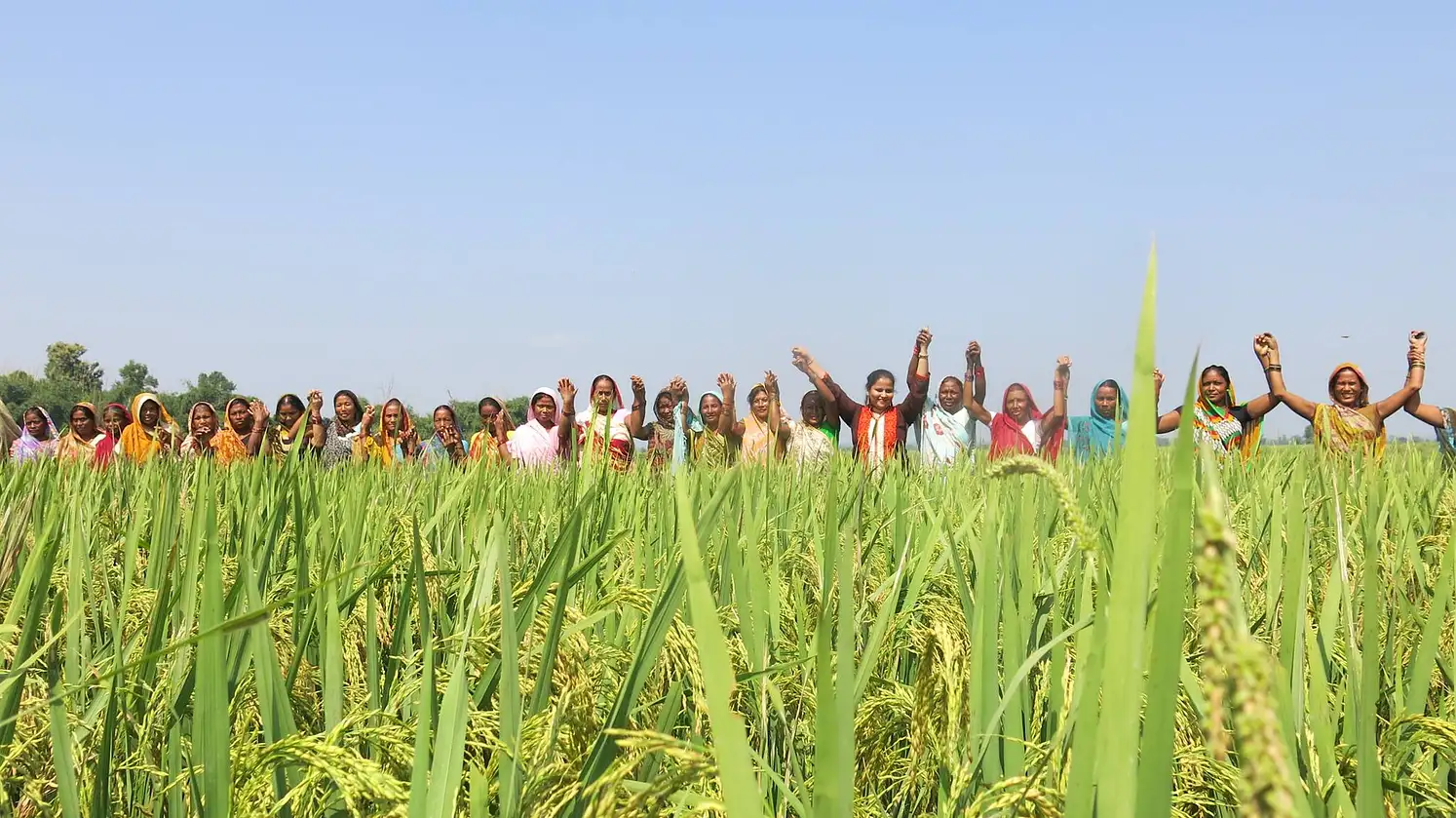
Record production has made India the world’s rice powerhouse — but groundwater depletion, nutrition gaps, and policy pressures are raising red flags
India’s rise as the world’s largest rice producer has strengthened food security and exports, yet experts warn that the current growth model may be ecologically and economically unsustainable if policy priorities don’t shift.
Top Summary
-
What happened: India overtook China to become the largest global rice producer, contributing 28% of world output and 40% of global trade.
-
Why it matters now: Massive production relies heavily on water-intensive farming, raising alarms over groundwater depletion and climate stress.
-
What changes for people: Policymakers may push crop diversification, water-saving technologies, and procurement reforms.
-
Who is affected: Farmers in rice belts, groundwater-stressed states, public distribution beneficiaries, and export markets.
What happened:
India’s rice production surged in 2024-25, cementing its position at the top of global output and exports. Central stocks touched 63.06 million tonnes, nearly 8.3 times higher than buffer norms, highlighting the country’s massive procurement and storage capacity.
Rice remains central to India’s food policy under the National Food Security Act (NFSA), 2013, which supports 81.35 crore beneficiaries through subsidised grain distribution.
Why it matters now:
The success story carries hidden costs.
Producing 1 kg of rice requires 3,000–4,000 litres of water, making paddy cultivation one of the biggest drivers of groundwater depletion in states like Punjab, Haryana, and parts of eastern India.
Bold reality check:
-
28% – India’s share of global rice production
-
40% – Share in world rice trade
-
63.06 MT – Central pool stock vs 7.61 MT buffer norm
This imbalance between production and sustainability is forcing a rethink of long-term agricultural policy.
What changes for people:
-
Farmers may face incentives to shift toward less water-intensive crops
-
Procurement patterns could gradually move beyond rice dominance
-
Nutrition policies may push diverse grains over calorie-heavy staples
-
Export policies might tighten during domestic supply stress
Who is affected:
-
Rice farmers dependent on MSP and procurement
-
Groundwater-stressed regions
-
Public Distribution System beneficiaries
-
Global rice-importing nations relying on India’s exports
From Indus Valley fields to global dominance
Rice has deep roots in the Indian subcontinent, with archaeological evidence tracing cultivation back to the Indus Valley civilisation. India today holds an astonishing biodiversity advantage — around 60,000 of the world’s 1,23,000 rice varieties originate here.
Historically:
-
China cultivated rice primarily as a winter crop
-
The subcontinent developed dual-season rice varieties, especially Oryza sativa indica
This agricultural legacy now powers India’s export dominance.
The groundwater dilemma
High production has come at a steep ecological price.
Water-intensive irrigation and free power policies have encouraged continuous paddy cultivation, especially in regions not naturally suited for it.
Key concerns include:
-
Falling water tables
-
Soil degradation
-
Rising input costs
-
Climate vulnerability
Without diversification, today’s food surplus could become tomorrow’s resource crisis.
Policy journey: From Johl Committee to NFSA
Government interventions over decades shaped India’s rice trajectory:
-
1986 S S Johl Committee: Recommended crop diversification to reduce water stress
-
MSP and procurement expansion: Encouraged rice monoculture in certain states
-
NFSA 2013 institutionalised large-scale rice distribution, boosting demand and stockpiling
While these policies strengthened food security, experts say they also locked farmers into rice-heavy cropping patterns.
Nutrition paradox: Plenty of rice, limited diversity
Despite massive grain availability, India still faces nutritional challenges.
Rice dominates allocations — 40.6 million tonnes for 2025-26, accounting for 65% of total foodgrain distribution.
Critics argue this emphasis:
-
Prioritises calories over nutrients
-
Reduces incentives to grow millets, pulses, and oilseeds
Food security has improved — but dietary diversity still lags.