
Indian Army Steps Up Winter Offensive Against JeM, Hizbul Terrorists in J&K’s Mountainous Belt
The Indian Army has intensified counter-terrorism operations across difficult mountain terrain in Jammu and Kashmir, sustaining a week-long offensive aimed at cornering senior Jaish-e-Mohammed (JeM)...
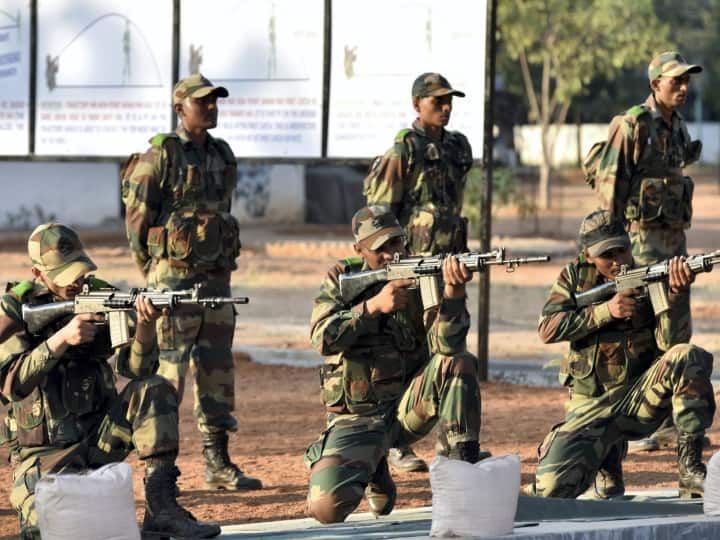
The Indian Army has intensified counter-terrorism operations across difficult mountain terrain in Jammu and Kashmir, sustaining a week-long offensive aimed at cornering senior Jaish-e-Mohammed (JeM) operatives and disrupting multiple terror networks despite harsh winter conditions, official sources confirmed.
The ongoing operation, spread across Kishtwar and Doda districts, marks a significant departure from the traditional winter slowdown in security activity and reflects a more aggressive, all-weather counter-terror strategy by the armed forces.
Hunt for JeM’s Local Leadership in Kishtwar
According to security sources, the primary focus of the operation is on neutralising JeM’s local commander Saifullah and his associate Adil, both of whom are carrying rewards of ₹5 lakh each. Intelligence inputs suggest the two militants are hiding in the forested hills of Kishtwar, using the rugged terrain as cover.
The operation was initially launched in villages of the Chatroo subdivision, where troops carried out extensive area domination and search missions. Security forces later expanded the sweep to Keshwan—around 35 km from Kishtwar district headquarters—and to Seojdhar in neighbouring Doda district, indicating the presence of a wider militant support network.
Over 2,000 soldiers have been deployed, supported by local villagers familiar with the terrain, who are assisting the forces with ground-level intelligence and navigation through dense forests and high-altitude paths.
Parallel Operation Against Hizbul Mujahideen Network
In a separate but related counter-terror effort, the Army has also launched an operation in Kishtwar’s Padder subdivision—an area long considered a stronghold of Hizbul Mujahideen. Sources said the search is aimed at Hizbul commander Jahingeer Saroori and two local militants, Muddasir and Riaz, each carrying a reward of ₹10 lakh.
Security agencies believe these militants have been attempting to exploit winter conditions to evade detection, making the sustained presence of troops in these areas particularly critical.
Winter No Longer a Safe Haven for Militants
Traditionally, the onset of Chillai Kalan—the harshest 40-day winter phase in Kashmir from December 21 to January 31—has seen a dip in militant activity. Heavy snowfall, blocked mountain passes and disrupted communication lines usually force both militants and security forces to scale down operations.
This year, however, defence sources say the Army has adopted a “proactive winter posture.” Instead of pulling back, troops have established temporary operational bases and surveillance posts deep inside snow-bound regions to prevent terrorists from using winter as a shield.
Army patrols are now routinely operating in sub-zero temperatures, with limited visibility, combing high-altitude ridgelines, dense forests and remote valleys to deny militants any safe refuge.
Strategic Shift in Counter-Terror Doctrine
Military analysts view this sustained winter offensive as a decisive shift in counter-insurgency tactics. By maintaining pressure year-round, the Army aims to disrupt militant regrouping, cut off supply lines and weaken local support structures that often revive during seasonal lulls.
“This approach underlines a clear message—that terrain and weather will no longer dictate the tempo of operations,” a defence expert said, noting that the strategy enhances long-term security by preventing militants from planning and consolidating during winter months.
Broader Security Implications
The intensified operations come amid continued efforts to stabilise the Chenab valley region, which has witnessed sporadic militant activity in recent years. By targeting senior operatives across multiple outfits simultaneously, security forces hope to deal a lasting blow to terror infrastructure in the region.
Officials stressed that the operations will continue in the coming days, signalling that winter is no longer a period of respite for terrorist groups operating in Jammu and Kashmir.