
India Winds Down Ayni Airbase in Tajikistan: End of a Strategic Era in Central Asia
India has formally withdrawn its military presence from the Ayni airbase in Tajikistan, ending a two-decade-long strategic foothold in Central Asia. The move marks the...
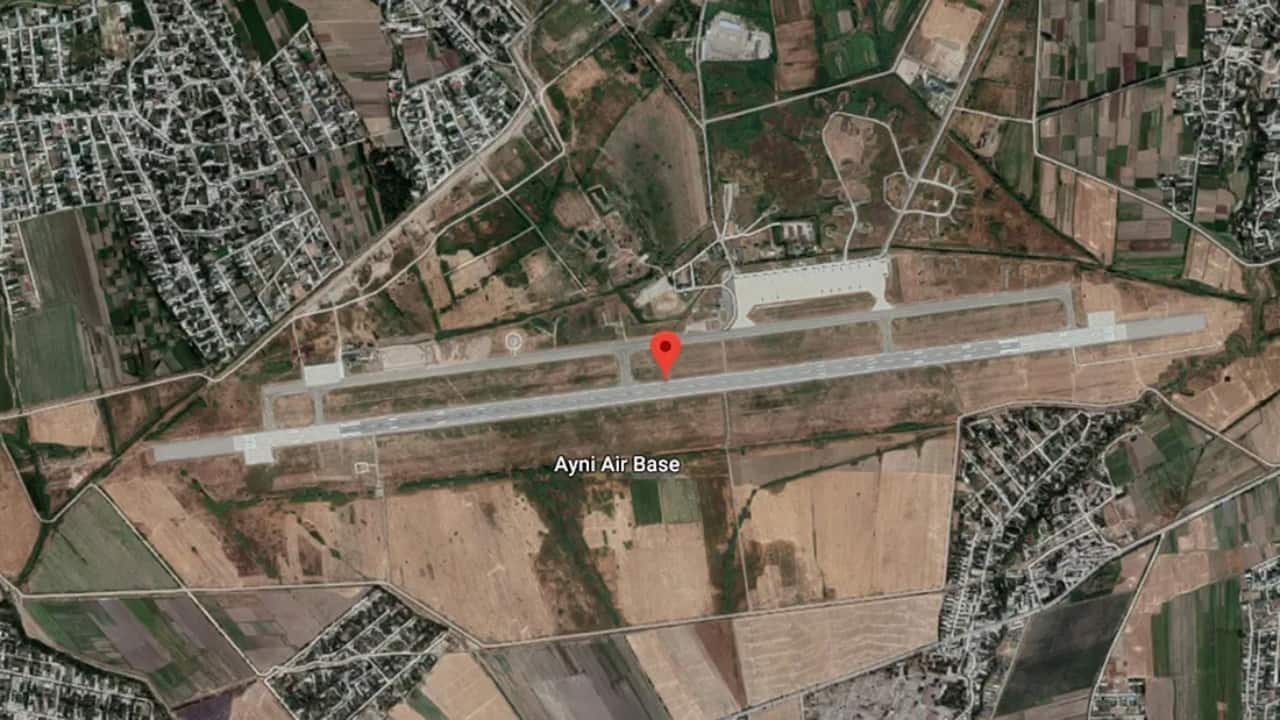
India has formally withdrawn its military presence from the Ayni airbase in Tajikistan, ending a two-decade-long strategic foothold in Central Asia. The move marks the closure of India’s only overseas military facility, once viewed as a cornerstone of its regional defense and diplomatic outreach.
A Strategic Outpost Comes to a Close
The Ayni airbase, located about 10 kilometers west of Tajikistan’s capital Dushanbe, was developed jointly by India and Tajikistan in the early 2000s. It served as a vital operational and logistical post near Afghanistan, enhancing India’s ability to monitor regional security developments and respond to crises across Central and South Asia.
According to officials familiar with the matter, the bilateral agreement governing Ayni’s joint operation expired nearly four years ago. Negotiations for renewal reportedly stalled, and Indian personnel gradually scaled down their presence. “The withdrawal follows the natural lapse of the agreement,” an official source confirmed, adding that the base’s final shutdown was completed in recent months.
Congress Calls Withdrawal “A Diplomatic Setback”
The development drew sharp criticism from the opposition. Congress general secretary Jairam Ramesh, in a post on X (formerly Twitter), described the closure as “yet another setback for India’s strategic diplomacy.”
Ramesh recalled that India had invested heavily in expanding Ayni’s infrastructure — including upgrading its runway, fuel depots, and air traffic control systems — and had even deployed Su-30MKI fighter jets and helicopters there at various points.
“Given its extraordinary location, India had major plans for expanding its presence at Ayni. It now appears that the facility has been completely shut down — a blow to India’s regional influence,” Ramesh said.
Ayni’s Role in India’s Regional Ambitions
The base was a symbol of India’s growing defense cooperation with Central Asia after the fall of the Taliban in 2001. Positioned strategically between Afghanistan and China, Ayni gave New Delhi proximity to key flashpoints while also serving as a hub for humanitarian and evacuation missions.
Its operational relevance came to the fore again in August 2021, when India used the base to help evacuate Indian nationals during the Taliban’s return to power in Kabul.
For years, analysts had viewed Ayni as India’s answer to the expanding presence of China and Russia in the region. Both countries maintain significant defense and infrastructure interests in Tajikistan, with Russia’s 201st Motor Rifle Division based less than 20 km away from Ayni.
End of an Era, and a Strategic Vacuum
Security experts say the closure underscores India’s limited military leverage in Central Asia, a region increasingly shaped by China’s Belt and Road investments and Russia’s entrenched defense ties.
Dr. Manoj Joshi, a senior fellow at the Observer Research Foundation, said the withdrawal “reduces India’s forward visibility and quick-response options in a region that remains geopolitically volatile.”
He added that India’s future engagement in the region will now rely more on diplomatic, economic, and multilateral frameworks such as the Shanghai Cooperation Organisation (SCO) and India-Central Asia Dialogue, rather than direct military presence.
Historical and Cultural Context
The Ayni region also holds cultural significance. Near the base lies a museum that houses the famed 1,500-year-old Buddha of Nirvana, one of Central Asia’s most remarkable archaeological artifacts — a reminder of India’s deep historical links with the region through trade and Buddhism.
What the Exit Means for India
While officials insist the move is procedural, the closure raises questions about India’s broader strategic recalibration amid shifting regional dynamics. With China expanding its presence through infrastructure projects and Russia tightening its military grip, India’s influence in Central Asia could face increasing challenges.
The withdrawal from Ayni thus marks not only the end of a base but the end of a geopolitical chapter that began when India sought a forward operating presence in the post-9/11 security landscape.