
India vs South Africa T20I Abandoned Due to Smog, BCCI Considers Winter Scheduling Overhaul
The fourth T20I between India and South Africa at the Bharat Ratna Shri Atal Bihari Vajpayee Ekana Stadium in Lucknow was abandoned without a ball...
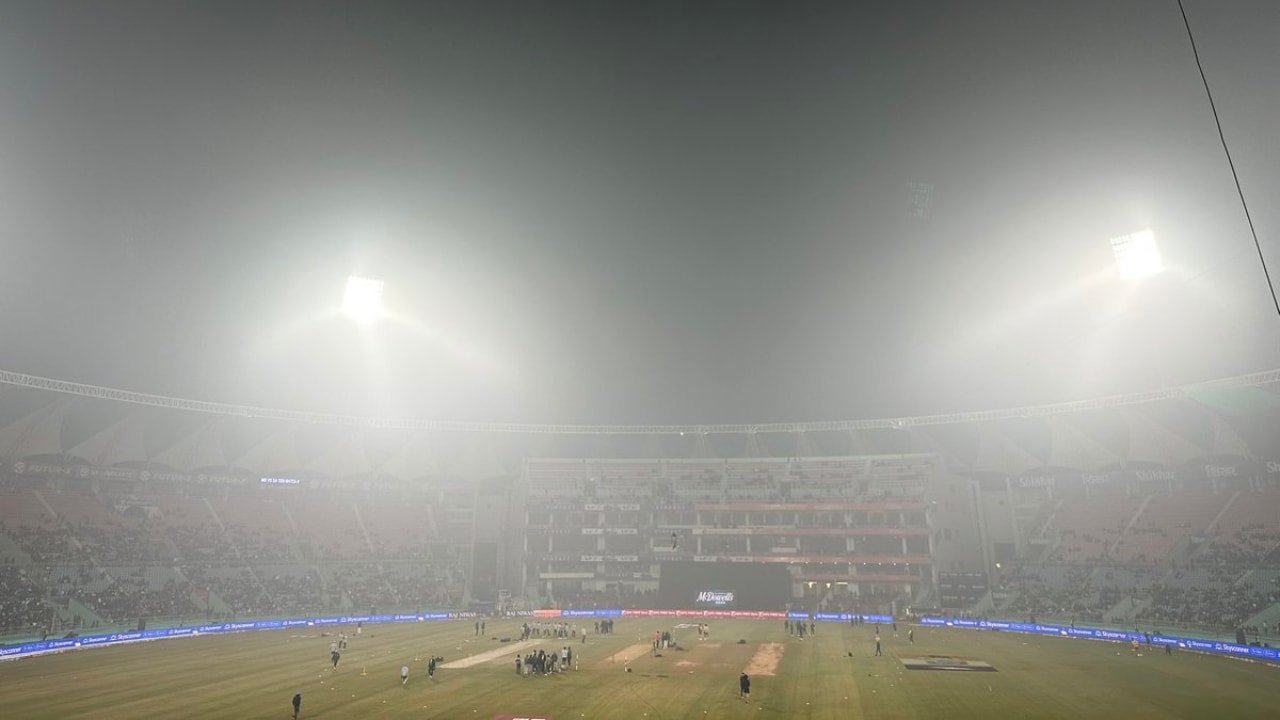
The fourth T20I between India and South Africa at the Bharat Ratna Shri Atal Bihari Vajpayee Ekana Stadium in Lucknow was abandoned without a ball being bowled, prompting serious introspection within the Board of Control for Cricket in India (BCCI). Vice-president Rajeev Shukla acknowledged that the board may have to rethink scheduling matches in northern India during winter months.
Officially called off due to “excessive fog,” the real cause was a dense layer of smog that drastically reduced visibility and raised concerns over player safety. This marked only the second instance in international cricket history where a match was abandoned due to fog-like conditions. The match, scheduled to start at 7 pm, was eventually called off around 9:30 pm after six inspections, though it had become clear earlier that conditions would worsen as evening progressed. Players curtailed their warm-ups by 7:30 pm, and by 9 pm, large portions of the crowd had already left the stadium.
Shukla told Times Now, “BCCI will have to rethink winter scheduling and stop matches in North India. Air pollution can no longer be treated as a routine inconvenience. It is an emergency and needs to be treated like one.” Indian all-rounder Hardik Pandya was seen wearing a surgical mask during warm-ups, an image that quickly went viral and intensified scrutiny of the BCCI’s decisions. Shukla himself walked onto the field during one of the inspections, reflecting his disappointment after consulting with match officials.
With no reserve day available, both teams will now travel to Ahmedabad for the series decider on Friday, with India leading 2–1. The incident has triggered broader criticism regarding the venue selection for the South Africa tour, which included cities such as New Chandigarh, Dharamsala, and Lucknow during November and December—a period known for fog, cold, and severe pollution in northern India. Just last week, the Dharamsala T20I was played in sub-10-degree temperatures, with spinner Varun Chakravarthy describing conditions as “quite challenging.”
Air Quality Index (AQI) levels in Lucknow hovered above 400—classified as ‘hazardous’—further raising concerns for player and spectator safety. The abandonment has renewed calls for the BCCI to consider pollution and weather conditions as key factors while planning future winter fixtures in the region.