
India urges citizens to avoid non-essential travel to Iran amid nationwide protests
India on Monday, January 5, 2026, advised its nationals to avoid non-essential travel to Iran, citing escalating protests over soaring inflation and the sharp devaluation...
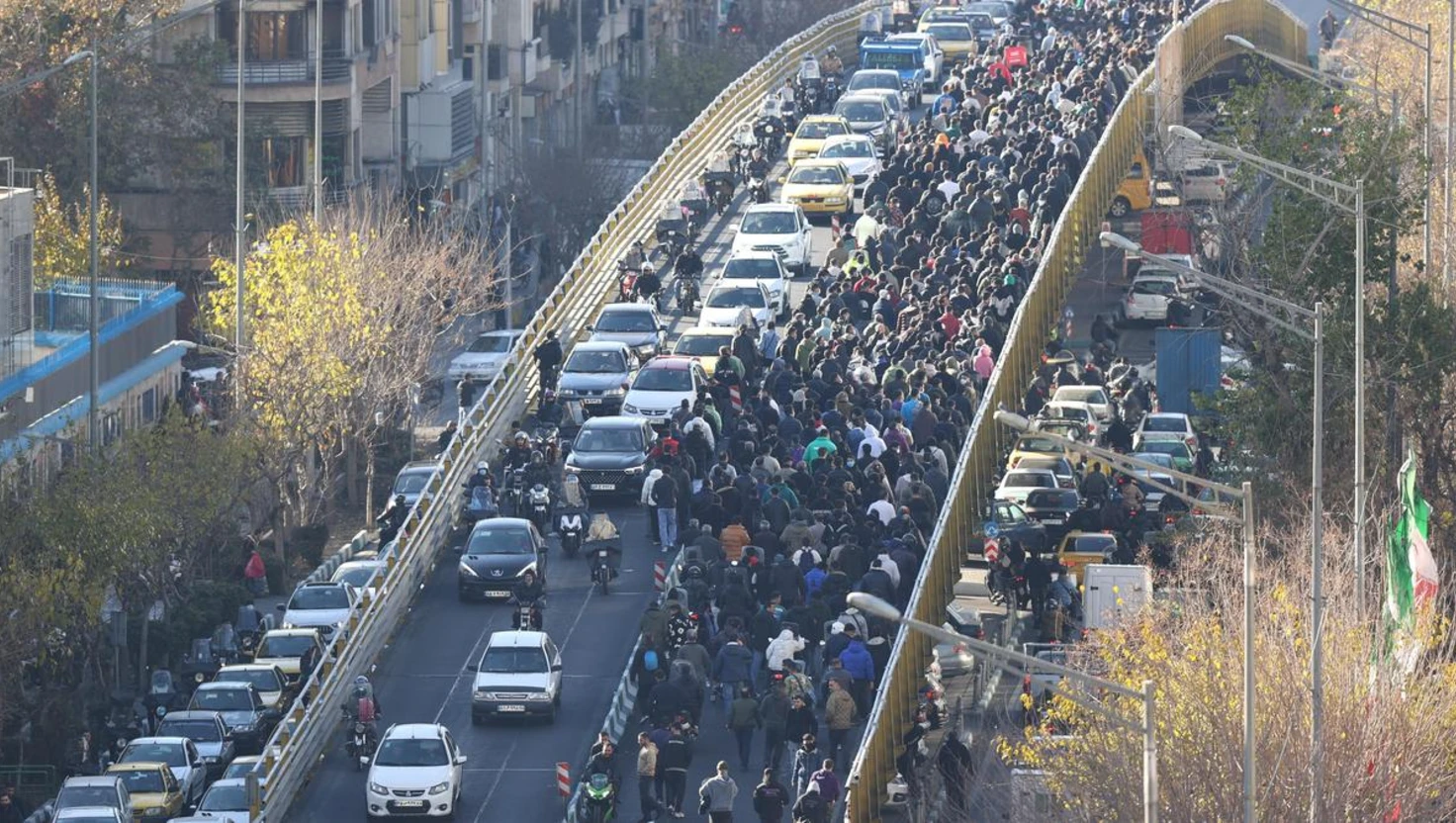
India on Monday, January 5, 2026, advised its nationals to avoid non-essential travel to Iran, citing escalating protests over soaring inflation and the sharp devaluation of the Iranian rial. The advisory follows reports of unrest spreading across much of the country and concerns over public safety.
The Ministry of External Affairs (MEA) said Indians currently in Iran should exercise due caution, avoid areas witnessing protests or demonstrations, and closely monitor official updates from the Embassy of India in Tehran.
What the government said
In its official statement, the MEA said:
-
“In view of recent developments, Indian nationals are advised to avoid non-essential travel to the Islamic Republic of Iran until further notice.”
-
Indians and PIOs in Iran should avoid protest zones, follow local news, and track the Embassy’s website and social media for advisories.
-
Those residing in Iran on resident visas were asked to register with the Embassy, if they have not already done so.
These steps are aimed at improving consular outreach and emergency response should conditions deteriorate.
What is driving the unrest
The current wave of protests began in Tehran about nine days ago and has since spread to around 25 of Iran’s 31 provinces, according to official and media reports. Demonstrators have taken to the streets over worsening economic conditions, particularly:
-
Rising inflation eroding household purchasing power.
-
A steep fall in the rial against the U.S. dollar, which has pushed up the cost of essentials.
Authorities have reported more than 10 deaths linked to the unrest, underscoring the volatility of the situation.
International response
The developments have drawn international attention. U.S. President Donald Trump last week warned Iran against a crackdown on protesters, adding to diplomatic pressure as the protests widen.
What this means for safety, travel and diplomacy
Public safety: Demonstrations across multiple provinces increase the risk of road closures, internet disruptions, and sudden security measures, particularly in urban centres.
Travel: With the advisory in place, airlines, tour operators and businesses may postpone or cancel trips, affecting students, professionals and families.
Governance and diplomacy: India’s move signals heightened concern for citizen safety while monitoring how Tehran manages the unrest.
Economy: Continued currency weakness and protests could disrupt markets and supply chains, affecting Indian businesses operating or trading with Iran.
Key official actions
-
India advises against non-essential travel to Iran until further notice
-
Embassy registration urged for Indian residents in Iran
-
Guidance to avoid protest areas and follow official updates
Why you should care right now
If you or your family members are in Iran or planning to travel, conditions may change quickly. Staying registered with the Embassy, avoiding flashpoints, and tracking official advisories are critical for safety and timely assistance.