
India Free To Buy Oil From Any Country, Says Kremlin After Trump’s Claims On Energy Shift
Russia has said India remains free to source crude oil from any country, responding to remarks by US President Donald Trump suggesting Prime Minister Narendra...
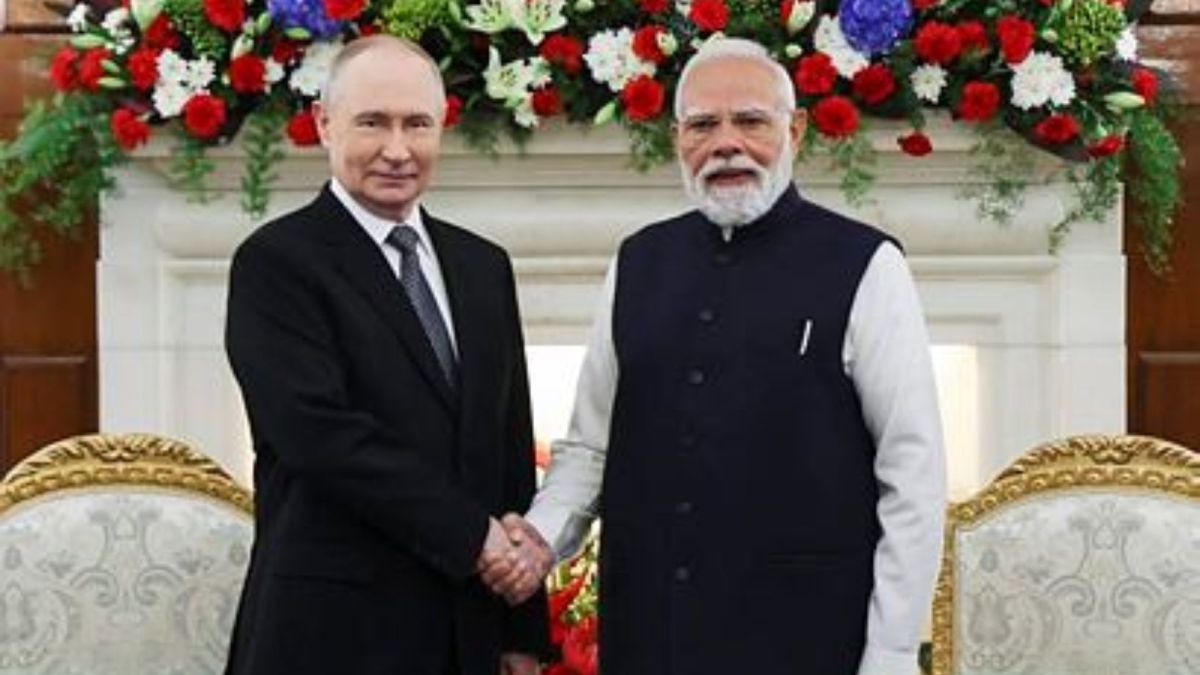
Russia has said India remains free to source crude oil from any country, responding to remarks by US President Donald Trump suggesting Prime Minister Narendra Modi agreed to reduce Russian oil purchases.
The Kremlin emphasised that India has always diversified its energy imports and no official confirmation has been received about stopping Russian supplies.
The statement comes amid evolving energy diplomacy linked to the India US trade deal.
-
What happened: The Kremlin said India can buy oil from any nation after Trump claimed New Delhi would shift away from Russian crude.
-
Why it matters now: Energy ties between India, Russia, and the United States are under global scrutiny following new trade negotiations.
-
What changes for people: Fuel pricing, import strategies, and geopolitical energy partnerships could be influenced by future policy decisions.
-
Who is affected: Indian refiners, global energy markets, policymakers, and international trade partners.
Russia has clarified that India’s crude purchasing decisions are a sovereign matter, days after Donald Trump said during trade discussions that India may increase oil imports from the United States and potentially Venezuela. Kremlin spokesperson Dmitry Peskov noted that Moscow understands India has long sourced energy from multiple suppliers and sees nothing unusual about diversification.
Kremlin responds to Trump’s remarks
Speaking to reporters, Dmitry Peskov said Russia has not received any official communication from India indicating an end to Russian oil imports. He stressed that India has historically balanced its energy portfolio across several countries.
Russian Foreign Ministry spokesperson Maria Zakharova added that hydrocarbon trade between India and Russia benefits both economies and contributes to stability in global energy markets. Moscow signalled its willingness to continue cooperation in the sector.
Energy experts question full replacement of Russian crude
Energy analysts say replacing Russian oil entirely would be complex due to differences in crude grades. According to Igor Yushkov from the National Energy Security Fund, US shale oil is generally lighter, while Russian Urals crude is heavier and often blended in Indian refineries.
Experts argue that switching supply sources could increase costs and require adjustments in refining processes. Russia currently exports between 1.5 million and 2 million barrels per day to India, volumes analysts believe may be difficult for alternative suppliers to match quickly.
India’s energy dependence and shifting imports
India imports nearly 88 percent of its crude oil needs, making diversification a key part of its energy security strategy. Russian oil accounted for only 0.2 percent of India’s imports before 2022, but purchases surged after Western sanctions on Moscow created discounted supply opportunities.
Recent data suggests imports of Russian crude declined to around 1.1 million barrels per day in early January, compared with higher levels recorded in mid 2025, indicating ongoing adjustments in sourcing patterns.
Geopolitical implications for trade and diplomacy
The debate highlights the intersection of trade negotiations, energy security, and international relations:
-
Economy: Changes in crude sourcing can influence fuel prices and refining costs.
-
International relations: India continues balancing ties with the US and Russia amid shifting global alliances.
-
Energy security: Diversification helps reduce dependence on a single supplier but requires complex logistics.
Analysts say India’s strategy has traditionally focused on securing affordable supplies while maintaining diplomatic flexibility.
What to watch next
Markets and policymakers will track whether India officially alters its oil import strategy following ongoing trade talks. Future statements from New Delhi, Washington, and Moscow could clarify how energy cooperation evolves in the coming months.