
India, Canada Boost Security Ties After NSA Ajit Doval’s Ottawa Visit Amid Diplomatic Reset
New Delhi and Ottawa agreed on a joint security and law-enforcement work plan, signalling efforts to stabilise relations after recent tensions. What happened: India and...
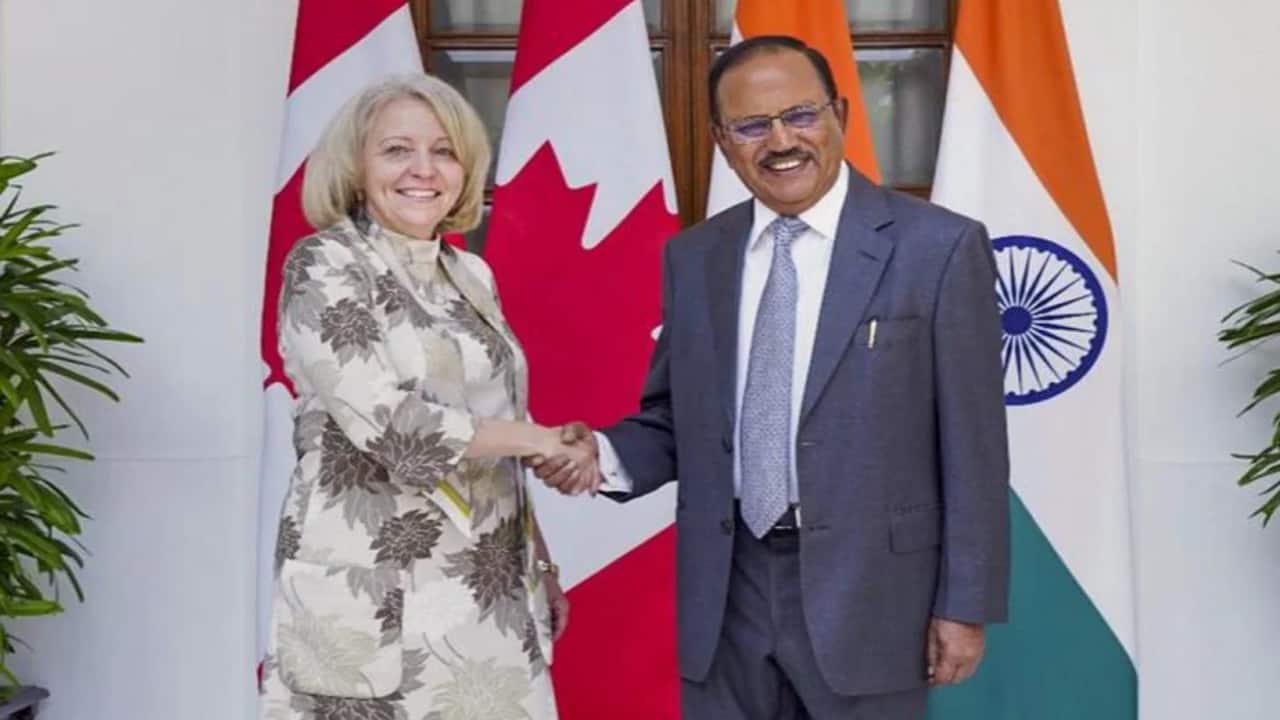
New Delhi and Ottawa agreed on a joint security and law-enforcement work plan, signalling efforts to stabilise relations after recent tensions.
What happened:
-
India and Canada finalised a shared security work plan during NSA Ajit Doval’s visit to Ottawa, focusing on counter-extremism, organised crime, and intelligence coordination.
Why it matters now:
-
The agreement comes after months of diplomatic strain, marking a cautious thaw in ties and renewed cooperation on national security.
What changes for people:
-
Closer information sharing could impact immigration enforcement, cyber security coordination, and efforts to tackle cross-border crime.
Who is affected:
-
Indian and Canadian security agencies, diaspora communities, policymakers, and businesses watching bilateral relations.
First major security dialogue since diplomatic tensions
India’s National Security Adviser Ajit Doval visited Canada for high-level talks — the first bilateral engagement of this kind since relations were shaken by the 2023 killing of a Khalistani separatist.
During meetings with Canadian NSA Nathalie Drouin, both countries agreed to create a structured framework to guide cooperation on national security and law enforcement priorities.
Officials described the visit as part of ongoing bilateral security dialogue but also acknowledged its importance as a confidence-building step.
New work plan focuses on crime, extremism and cyber threats
According to official statements, the two countries will establish security and law-enforcement liaison officers to streamline communication and enable faster information sharing.
Key areas of cooperation include:
-
Tackling illegal drug flows, especially fentanyl precursor chemicals
-
Monitoring transnational organised crime networks
-
Strengthening cyber security policy coordination
-
Cooperation on fraud investigations and immigration enforcement
India reportedly emphasised concerns about violent extremist groups operating abroad, urging stronger action against activities that threaten its security interests.
Diplomatic reset ahead of key political visits
Doval’s trip comes as both governments attempt to rebuild trust through incremental engagement. Recent exchanges — including visits by Canadian officials to India — have focused on balancing security concerns with economic cooperation.
The visit is also seen as preparation for a planned India trip by Canadian Prime Minister Mark Carney next month, suggesting both sides are seeking to move past previous disputes.
Analysts say the launch of a new economic roadmap alongside security talks indicates a broader attempt to stabilise the relationship.
Multiple perspectives: pragmatic cooperation or cautious diplomacy?
Supporters view the agreement as a practical step toward restoring communication channels that were strained during the diplomatic crisis. Security experts argue that cooperation on cyber threats and organised crime benefits both countries regardless of political differences.
However, critics note that sensitive issues — including allegations related to separatist activities — remain unresolved and could resurface if tensions escalate again.
Some observers also believe the focus on law enforcement collaboration reflects growing global concern over cross-border digital crime and extremist networks.
Impact on international relations and diaspora dynamics
Closer India-Canada security coordination could influence how both countries handle immigration policies, diaspora engagement, and transnational investigations.
The renewed dialogue may also reassure investors and businesses seeking stability in bilateral ties, particularly in technology, education, and energy sectors.
At a broader level, the move reflects a global trend where strategic partnerships increasingly combine economic cooperation with security coordination.