
India and Germany elevate strategic ties as Chancellor Merz visits amid landmark diplomatic anniversaries
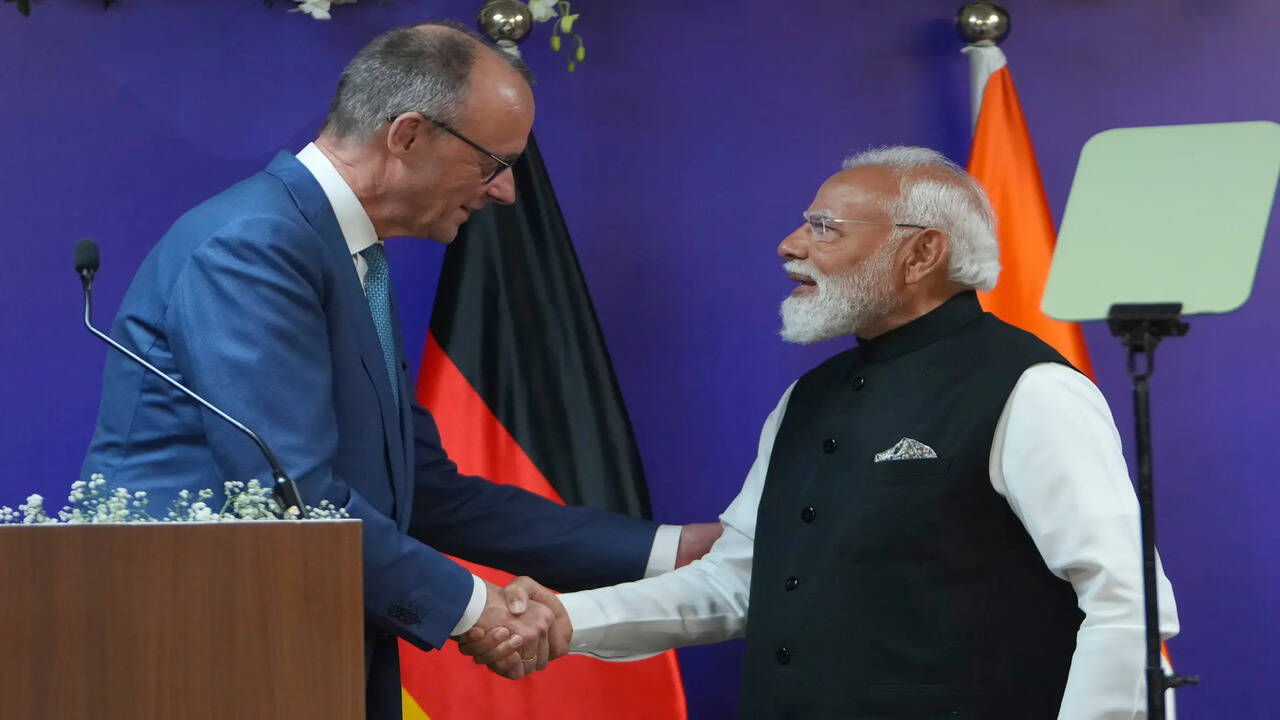
What happened: German Chancellor Friedrich Merz visited India to mark 25 years of the India–Germany Strategic Partnership and 75 years of diplomatic ties, resulting in...
-
What happened: German Chancellor Friedrich Merz visited India to mark 25 years of the India–Germany Strategic Partnership and 75 years of diplomatic ties, resulting in 19 new agreements.
-
Why it matters now: The pacts span defence, technology, education, energy, and trade, reinforcing collaboration ahead of the India–EU Summit and Republic Day engagements.
-
What changes for people: Enhanced cooperation could lead to more jobs, technology transfer, educational opportunities, and energy initiatives affecting citizens and industries in both countries.
-
Who is affected: Indian businesses, students, defence sector, technology innovators, and global trade partners stand to benefit from deepened engagement with Germany.
The official visit by German Chancellor Friedrich Merz to India has ushered in a new chapter of cooperation between the two democracies. With both nations celebrating key diplomatic milestones, the talks yielded 19 bilateral agreements, marking tangible progress in sectors from defence manufacturing to renewable energy.
Leaders from both sides described the visit as a pivot toward future-ready collaboration, reflecting a convergence of strategic interests in global governance, technology, and economic resilience.
Strategic and defence cooperation gains momentum
The newly agreed Joint Declaration of Intent on Defence Industrial Cooperation underscores an expanded role for co-development and co-production of defence systems.
Officials highlighted ongoing collaboration on submarines, counter-unmanned aerial systems, and joint exercises involving air and naval forces. These moves aim to strengthen India’s defence autonomy and diversify supply chains beyond traditional partners.
Experts say this shift aligns with India’s broader policy of Atmanirbhar Bharat, enhancing domestic defence production while leveraging Germany’s advanced technology.
Education, skills and people-to-people links
A standout aspect of the visit was the focus on higher education and global skills mobility.
India has invited German universities to establish campuses locally, and a new Global Skills Partnership will support professional movement in healthcare and technical fields.
Both governments also signalled plans to expand German language education within Indian institutions.
Education analysts note these initiatives could widen opportunities for students and professionals, fostering deeper cultural and academic ties.
Economic ties and trade priorities
Bilateral trade between India and Germany has surged beyond USD 50 billion in 2024, accounting for a substantial portion of India–EU commerce.
New cooperation frameworks aim to enhance supply chain resilience, diversify trade, and support startups and small-to-medium enterprises.
Officials from both sides reiterated support for expediting the India–EU Free Trade Agreement, a move seen as pivotal for long-term economic integration.
Tech, semiconductors and critical minerals focus
Recognizing the importance of future technologies, both governments signed agreements on semiconductor ecosystems, critical minerals cooperation, and digital technologies including AI and telecommunications.
Industry leaders welcomed these steps, noting that trust-based frameworks in these areas can accelerate innovation and reduce dependence on competitive supply chains dominated by other global actors.
Energy, climate and sustainability partnerships
A new Indo-German Centre of Excellence in Renewable Energy was announced to foster joint projects in green hydrogen and sustainable infrastructure.
Officials described these collaborations as key to both nations’ energy security and commitments to climate action.
Shared views on global issues
Discussions also covered major international concerns, including support for a just peace in Ukraine and a negotiated solution in Gaza. Both countries reaffirmed commitments to UN reforms and collaborative diplomacy through the G4 grouping.
Foreign policy experts suggest these alignments elevate India-Germany cooperation beyond bilateral interests, contributing to global governance reforms.