
‘In North India, they ask girls to…’: DMK leader’s remark on women’s education triggers political backlash
What happened: DMK leader Dayanidhi Maran made a controversial remark alleging that girls in parts of North India are discouraged from pursuing education. Why it...
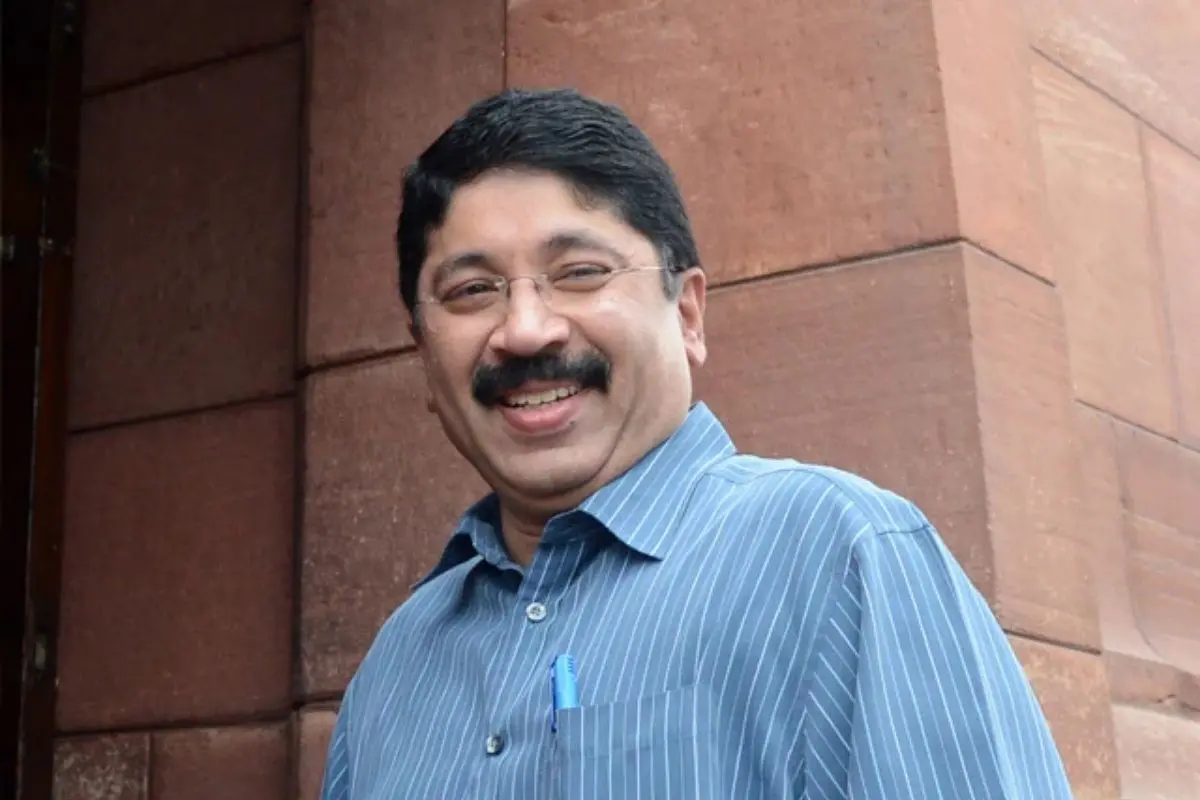
What happened: DMK leader Dayanidhi Maran made a controversial remark alleging that girls in parts of North India are discouraged from pursuing education.
Why it matters now: The comment has ignited a fresh North-South political and cultural debate, drawing sharp reactions across party lines.
What changes for people: The issue has reopened discussions on gender equality, education access, and regional stereotypes.
Who is affected: Women, students, political parties, and regional communities across India.
A political controversy erupted on Tuesday, January 14, 2026, after DMK MP Dayanidhi Maran made remarks suggesting that girls in several northern states are often expected to stay at home and do household work instead of pursuing education.
The statement, delivered during a public address, quickly spread across social media and political circles, prompting strong criticism from leaders in North India, who accused Maran of promoting regional stereotyping and misinformation.
What the DMK leader said
According to video clips circulating online, Maran claimed that in parts of North India, families discourage girls from studying further and push them toward domestic responsibilities. He contrasted this with what he described as higher emphasis on women’s education in southern states.
DMK leaders later said the remarks were meant to highlight social challenges faced by women, not to insult any region. However, no clarification or apology had been issued by Maran at the time of publishing.
Political reactions pour in
Leaders from BJP, Congress, and regional parties condemned the remarks, calling them divisive and disrespectful. Several MPs from northern states demanded a public apology, saying the comment undermined decades of progress in girls’ education.
Some political figures accused the DMK of reviving North-South narratives ahead of upcoming political developments, warning that such rhetoric could deepen regional fault lines.