
ICC Rejects Bangladesh’s Final Appeal, Scotland Likely Replacement for T20 World Cup
The International Cricket Council (ICC) has rejected the Bangladesh Cricket Board’s (BCB) final attempt to overturn its decision regarding participation in the upcoming ICC Men’s...
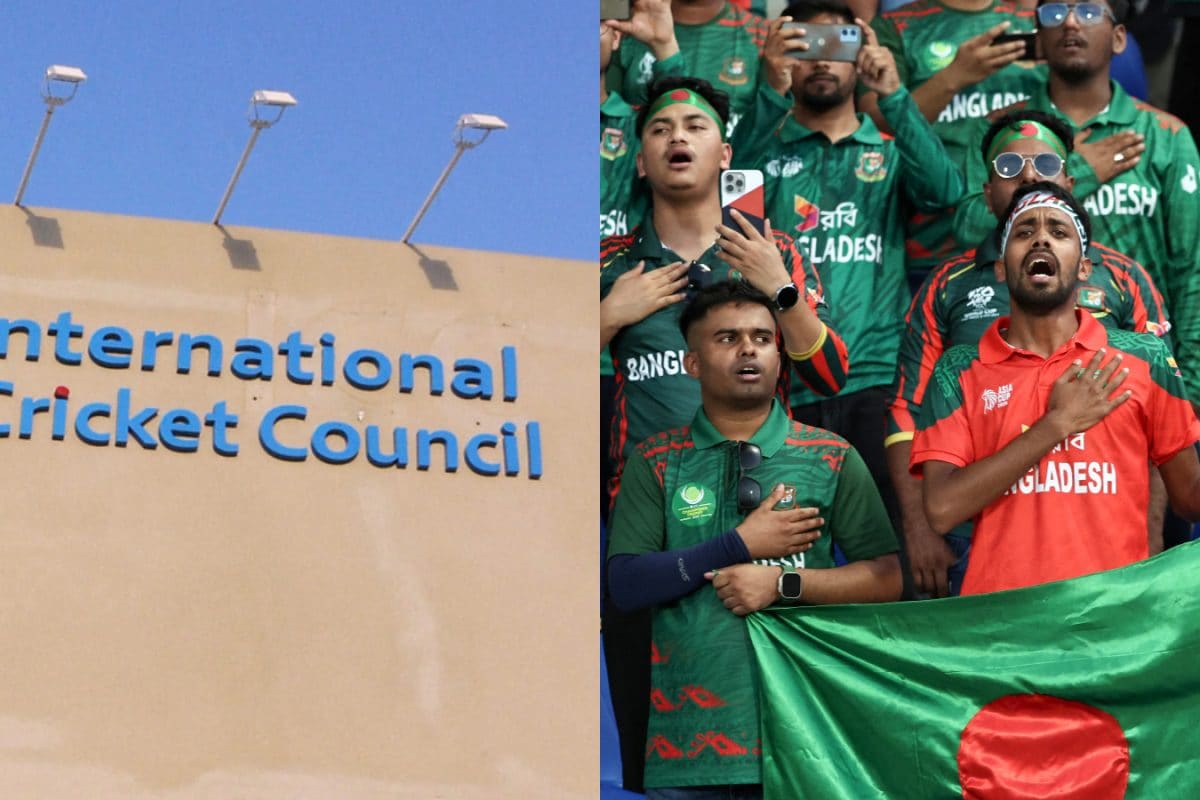
The International Cricket Council (ICC) has rejected the Bangladesh Cricket Board’s (BCB) final attempt to overturn its decision regarding participation in the upcoming ICC Men’s T20 World Cup, effectively paving the way for Scotland to replace Bangladesh in the tournament.
According to sources, the BCB had approached the ICC’s Dispute Resolution Committee (DRC) late last week, challenging the global body’s refusal to relocate Bangladesh’s group-stage matches from India to Sri Lanka. The appeal, however, failed to gain traction, with the ICC maintaining that the DRC does not have the authority to hear appeals against decisions taken by the ICC Board itself.
Appeal Found Legally Unsustainable
The ICC reportedly found the BCB’s submission procedurally flawed. Under the terms of reference governing the Dispute Resolution Committee, the body is mandated to resolve disputes at an operational or inter-member level, not to act as an appellate forum against ICC Board decisions.
A clause in the DRC framework explicitly states that it “shall not operate as an appeal body against decisions of the ICC or any decision-making body established under the ICC’s Memorandum and Articles of Association.” On these grounds, Bangladesh’s petition was dismissed.
Failure to Formally Communicate Final Decision
Sources further indicated that despite being given a 24-hour window by the ICC earlier in the week to formally confirm its stance, the BCB did not submit an official written communication stating that the team would refuse to travel to India. Instead, Bangladesh’s position was conveyed through media briefings, where government adviser Asif Nazrul and BCB president Aminul Islam reiterated their refusal to send the team citing security concerns.
This approach reportedly did not sit well with ICC officials, who viewed the lack of formal correspondence as a breach of protocol.
ICC Unwilling to Set Precedent
The ICC has consistently held that altering fixtures at the request of a member board due to bilateral political concerns would undermine the neutrality and integrity of ICC events. Officials fear that granting Bangladesh’s request could set a precedent, encouraging future teams to seek venue changes under similar circumstances, thereby weakening the governance framework of global tournaments.
While Bangladesh cited past arrangements between India and Pakistan — where teams avoid touring each other’s countries — the ICC maintained that those bilateral accommodations cannot be applied to multi-nation ICC events governed by separate rules.
Scotland Set to Step In
With Bangladesh’s participation now in serious doubt, the ICC has reportedly begun internal procedures to induct Scotland as a replacement team. Scotland, one of the top-performing Associate nations in recent ICC events, is next in line based on qualification rankings and tournament readiness.
An official announcement is expected within the next few days.
Growing Fallout
The episode marks a significant setback for Bangladesh cricket, both competitively and diplomatically. It also reinforces the ICC’s firm stance that participation in its tournaments comes with an obligation to honour scheduled venues, irrespective of bilateral tensions.
As the T20 World Cup draws closer, the focus now shifts to how Scotland would integrate into the tournament structure — and what long-term consequences this standoff may have on Bangladesh’s standing within international cricket governance.