
Heart Disease in Women: Symptoms, Risks & Why It's Different
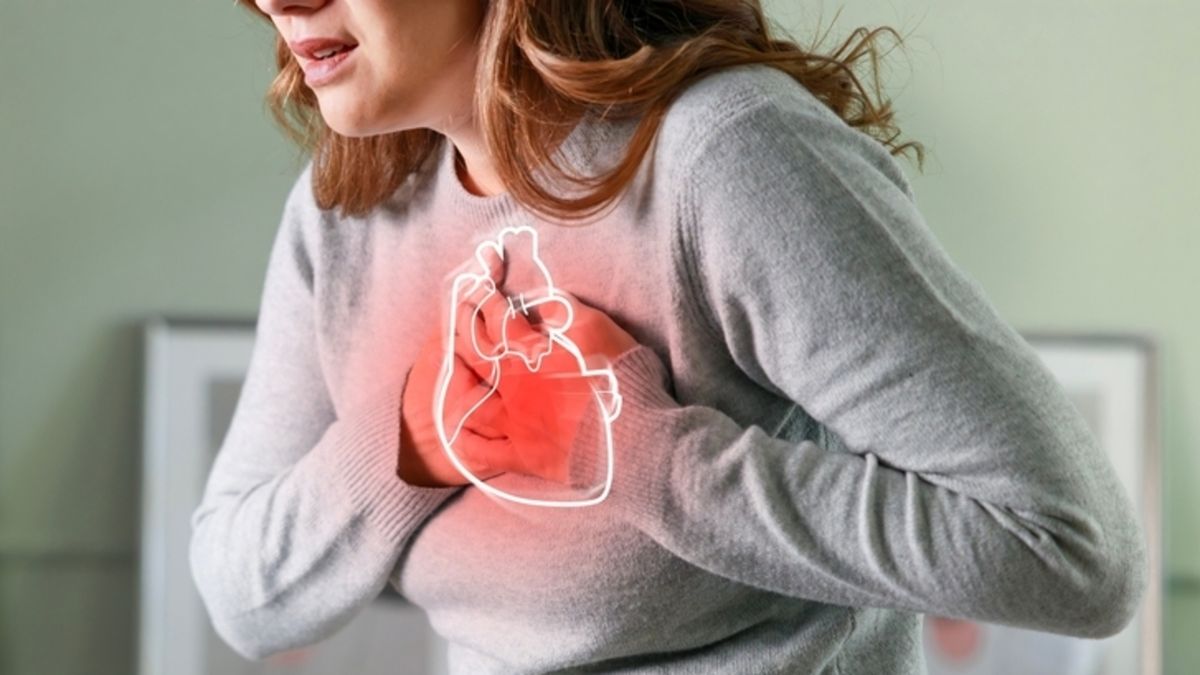
Heart disease in women presents differently, often overlooked yet equally dangerous.
Top Summary
- What happened: Heart disease is a leading cause of death for women, but symptoms are often missed or misdiagnosed.
- Why it matters: Women experience heart disease differently than men, with less obvious symptoms and microvascular issues.
- What changes for people: Increased awareness of subtle symptoms and proactive prevention are crucial for women's heart health.
- Who is affected: Women of all ages, especially post-menopausal women and those with diabetes or pregnancy-related complications.
The Silent Threat: Women and Heart Disease
For years, heart disease has been perceived as a predominantly male issue. The truth is far more alarming. Cardiovascular disease is a leading killer of women globally.
Often, women's symptoms are dismissed or unnoticed. This happens both by the patients themselves and sometimes by medical professionals.
Unmasking the Different Symptoms
Heart attack symptoms aren't the same for women. The classic chest pain radiating down the left arm is not always present.
Instead, women might experience unusual fatigue, breathlessness, nausea, dizziness, or discomfort in the back or jaw. Some describe it as feeling like indigestion.
These subtle signs can lead to dangerous delays in seeking medical help.
The Microvascular Mystery
Recent research reveals another gender difference. A study published in a journal of the American Heart Association examined over 4,000 patients with chest pain.
It found that women often have less visible blockage in major heart arteries compared to men.
Only about 55% of women showed plaque buildup, versus 75% of men.
Even with less blockage, women faced nearly the same risk of heart attack or hospitalization.
This points to microvascular disease, affecting smaller blood vessels, as a key factor in women's heart health.
Hormones and Risk Factors
Hormones play a significant role. Estrogen offers heart protection before menopause.
After menopause, this protection wanes, increasing heart disease risk.
Certain risk factors disproportionately affect women. For instance, diabetes poses a greater heart risk for women than for men.
Pregnancy-related conditions like high blood pressure or gestational diabetes also elevate long-term risk.
Stress and mental health significantly impact women's cardiovascular well-being.
Prevention is Key
Awareness is critical. Do not ignore persistent tiredness, unexplained breathlessness, or chest, jaw, or back discomfort, especially during activity.
Prevention remains our most powerful weapon.
- Regular check-ups
- Blood pressure control
- Healthy cholesterol levels
- Diabetes management
- Physical activity
- No smoking
Healthy eating and weight management are also crucial.
The Bottom Line
Remember, heart disease in women may look different, but the risk is just as real. Early recognition and proactive steps can save lives.
Listen to your body and act quickly.
When it comes to heart health, women should remember that symptoms do not always have to be dramatic to be serious.
What to Watch Next
Further research into microvascular disease and hormone-related heart risks in women is ongoing. Public health campaigns aimed at raising awareness of the unique symptoms in women are expected to increase.