
Haryana Police in Crisis: Twin Suicides Expose Allegations of Corruption, Caste Bias, and Gangster Nexus
A Chain of Tragedies The first shock came on October 7, when IPS officer Y. Puran Kumar was found dead at his residence in Chandigarh....
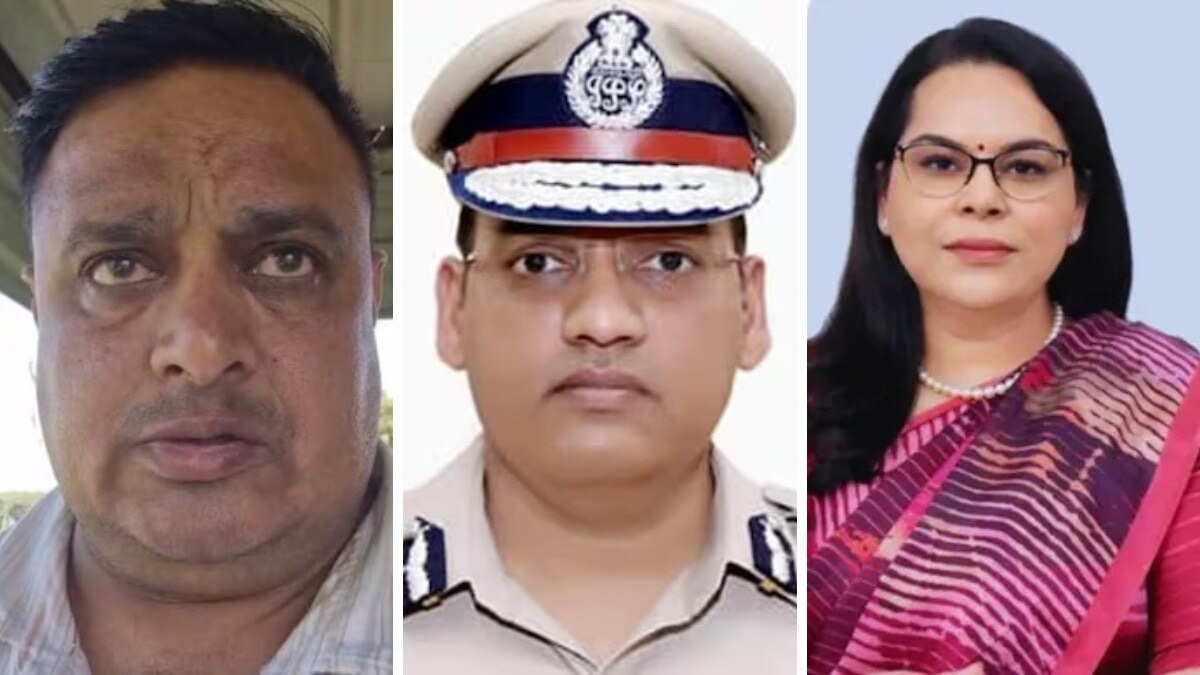
A Chain of Tragedies
The first shock came on October 7, when IPS officer Y. Puran Kumar was found dead at his residence in Chandigarh. Investigators recovered an eight-page suicide note in which Kumar accused ten serving and retired senior officers of “systematic caste-based harassment, humiliation, and professional persecution.”
Kumar, a well-regarded officer known for his tenure in Rohtak and Gurugram, reportedly described being sidelined and subjected to continuous mental stress. His death sent ripples across the Haryana Police hierarchy, sparking demands for an independent probe into the institutional treatment of officers from marginalized communities.
Just a week later, tragedy struck again. Assistant Sub-Inspector (ASI) Sandeep Lathar, who had been investigating a corruption case linked to Kumar, shot himself in a field near Rohtak. In a three-page note, Lathar accused Kumar of being “deeply corrupt” and alleged that the officer had committed suicide to avoid exposure.
Explosive Allegations and the ₹50-Crore Deal
Lathar’s suicide note added a disturbing new layer to the already volatile case. He alleged that Kumar had brokered a ₹50-crore deal to exonerate gangster Rao Inderjit, who faces multiple murder and extortion charges across Haryana.
According to Lathar’s note, the purported deal was meant to “clear Inderjit’s name” in the murder of financier Manjeet in Rohtak. Inderjit, described by police sources as a notorious Haryana gangster, is believed to have fled to the United States to evade arrest. His name has also surfaced in recent violent incidents, including the firing at YouTuber Elvish Yadav’s residence and an attack on singer-rapper Rahul Yadav, alias Fazilpuria.
Senior Haryana Police officials have not confirmed the veracity of Lathar’s claims but acknowledged that the Special Investigation Team (SIT) is reviewing all leads, including potential links between the officer’s deaths and organized crime networks.
Institutional Reckoning for Haryana Police
The twin suicides have ignited an intense public debate about institutional accountability and mental health within India’s policing system. Civil rights activists and former IPS officers have called for a judicial inquiry, arguing that both deaths reveal systemic flaws rather than isolated incidents.
A retired DGP told The Indian Express (as paraphrased), “The allegations of caste bias within the force cannot be brushed aside. This is not just about two officers — it’s about a culture that needs urgent reform.”
Political leaders across party lines have also weighed in. The opposition has accused the government of allowing a “toxic environment” to fester in the police department, while state officials have promised “a transparent investigation” into both deaths.
The Road Ahead
The Haryana government has directed the Home Department to coordinate with the Central Forensic Science Laboratory for document verification and digital evidence recovery from the deceased officers’ devices. Preliminary findings are expected within two weeks.
Meanwhile, Rao Inderjit’s alleged overseas presence has drawn the attention of Interpol, as Haryana Police seek international assistance to trace his movements.
For a force already grappling with internal mistrust, these events mark one of the most serious credibility crises in recent years — one that could reshape how accountability and caste equity are addressed within India’s law enforcement ranks.