
Hantavirus Outbreak: Cruise Ship Deaths Spark Global Health Alert
A cruise ship faces a deadly hantavirus outbreak, leaving several dead and ill.
Top Summary
- What happened: A hantavirus outbreak struck the MV Hondius cruise ship off Cape Verde, resulting in three deaths and three illnesses.
- Why it matters: Hantavirus, a potentially fatal rodent-borne illness, poses a significant public health risk. The cruise originated in Argentina and travelled to Antarctica.
- What changes for people: Affected passengers face potential medical evacuation and treatment; remaining passengers are undergoing risk assessment. Cape Verde authorities have not permitted disembarkation for medical reasons.
- Who is affected: Passengers and crew of the MV Hondius, their families, Dutch authorities, WHO, and potentially those in contact with infected individuals. The deceased include two Dutch passengers. One critically ill passenger is British and in intensive care in South Africa.
The Outbreak on MV Hondius
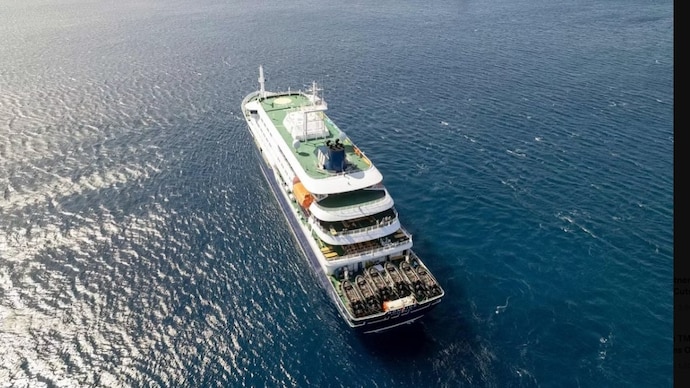
A Netherlands-based cruise ship, the MV Hondius, is grappling with a suspected hantavirus outbreak. The incident occurred off the coast of Cape Verde, prompting international health authorities to investigate.
Oceanwide Expeditions confirmed they are managing a “serious medical situation” on the polar expedition ship.
Details of the Incident
The cruise departed from Argentina approximately three weeks ago, carrying about 150 passengers. It made stops in Antarctica and other locations before reaching Cape Verde, according to media reports.
A Dutch Foreign Ministry spokesperson verified the deaths of two Dutch passengers. The World Health Organization (WHO) reported that one sick passenger is in intensive care in South Africa. Sky News identified this passenger as British, citing South Africa's Department of Health.
International Response
The WHO is actively investigating the outbreak and coordinating with member states and the ship's operators. Lab tests have confirmed hantavirus in one of the six people affected.
"WHO is facilitating coordination between member states and the ship's operators for medical evacuation of two symptomatic passengers, as well as full public health risk assessment and support to the remaining passengers on board," the WHO said.
Challenges and Treatment
Cape Verde authorities have reportedly denied permission for passengers needing medical care to disembark. Dutch authorities are working to organize the repatriation of two symptomatic passengers and the body of a deceased passenger.
Hantavirus is spread through airborne particles from rodent droppings and urine. The illness initially presents with flu-like symptoms and can progress to heart and lung failure. The U.S. Centers for Disease Control (CDC) notes that around 40% of cases are fatal.
Treatment for hantavirus focuses on supportive care, such as ventilation, as there are no specific drugs available.
Understanding Hantavirus
- Spread primarily through rodents
- Can, in rare cases, spread between people
- Begins with flu-like symptoms
- Can lead to heart and lung failure
What to Watch Next
The focus remains on the medical evacuation of symptomatic passengers and providing support to those remaining on board. The WHO's ongoing investigation will be crucial in understanding the extent and source of the outbreak.