
HAL Nashik Shifts Focus to Indigenous Fighter Production; Rajnath Singh to Witness First LCA Mk1A Flight
India’s largest combat aircraft manufacturing facility in Nashik, which once rolled out hundreds of Soviet-origin fighter jets, is undergoing a major transformation as it pivots...
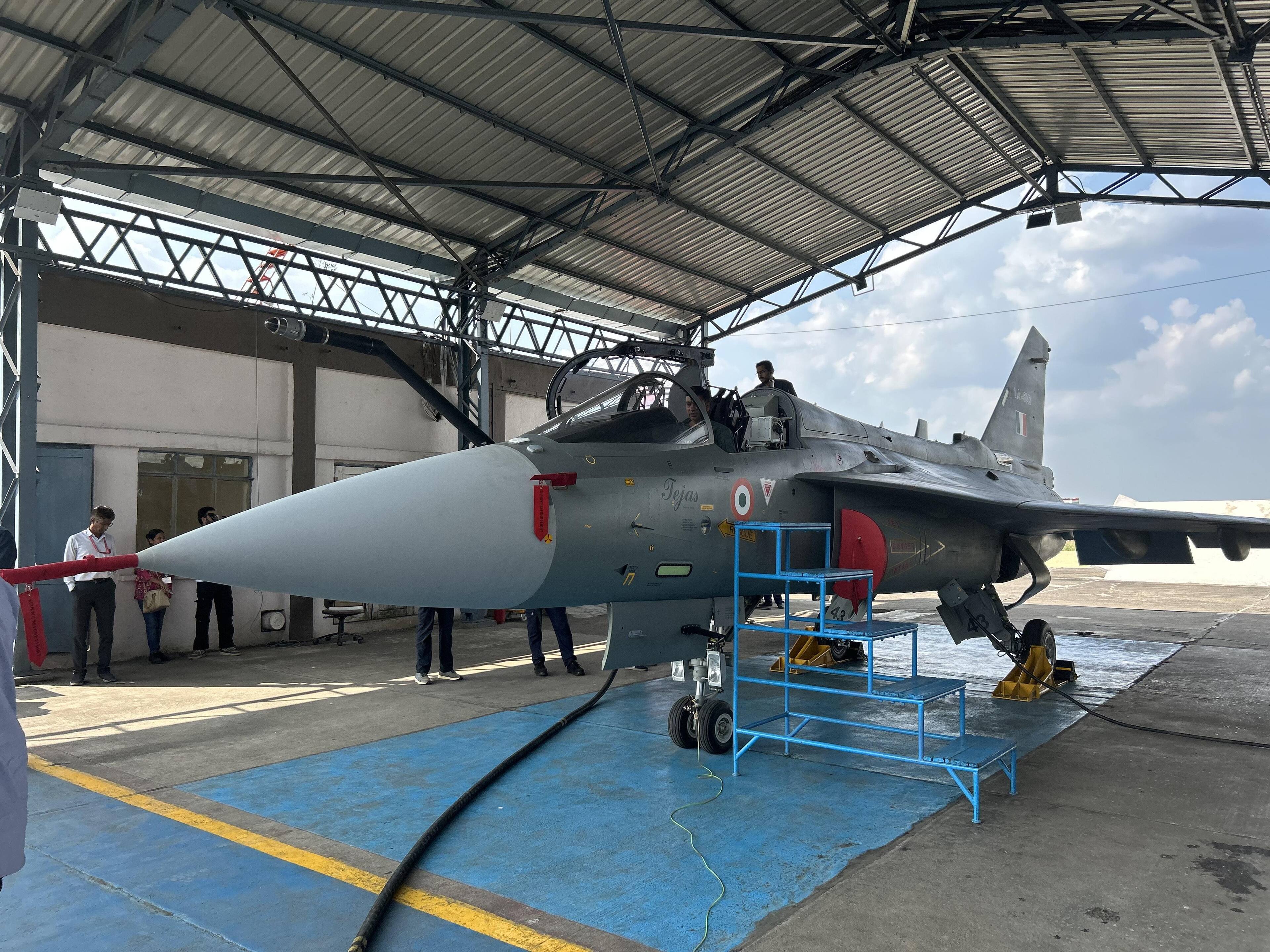
India’s largest combat aircraft manufacturing facility in Nashik, which once rolled out hundreds of Soviet-origin fighter jets, is undergoing a major transformation as it pivots towards indigenous fighter production.
According to a report by The Economic Times, the expansive hangars that once housed the assembly lines for 575 MiG-21 jets have been extensively refurbished. Modern jigs, fixtures, and tooling have been installed to enable the assembly of Indian-designed fighters and trainer aircraft, marking a decisive step toward self-reliance in military aviation.
Over the past six decades, the Nashik plant of Hindustan Aeronautics Limited (HAL) has produced nearly a thousand combat aircraft — from the iconic MiG-21 to the currently operational Su-30MKI. The facility is now preparing for a new chapter centered on the Light Combat Aircraft (LCA) Tejas Mk1A program.
Defence Minister Rajnath Singh is scheduled to witness the first public flight of a locally manufactured LCA Mk1A from the Nashik facility on Friday, a moment widely regarded as symbolic of India’s shift away from dependence on imported fighter jets.
The new production line at Nashik will initially produce eight LCA Mk1A aircraft annually, with potential for quick scale-up. Combined with HAL’s two existing lines in Bengaluru, India’s total LCA production capacity will reach 24 aircraft per year.
However, the Indian Air Force (IAF) will need a national production capacity of 30–40 fighters annually to effectively replace its ageing fleet of MiG-21s and other legacy aircraft.
The transition at Nashik marks a historic turning point for India’s aerospace manufacturing ecosystem, aligning with the government’s ‘Aatmanirbhar Bharat’ initiative and its goal of achieving strategic autonomy in defence production.