
Gurmeet Ram Rahim granted 40-day parole again, walks out of Rohtak jail for 15th time
Gurmeet Ram Rahim Singh, the jailed chief of Dera Sacha Sauda, walked out of Sunaria jail in Rohtak on Monday after being granted a 40-day...
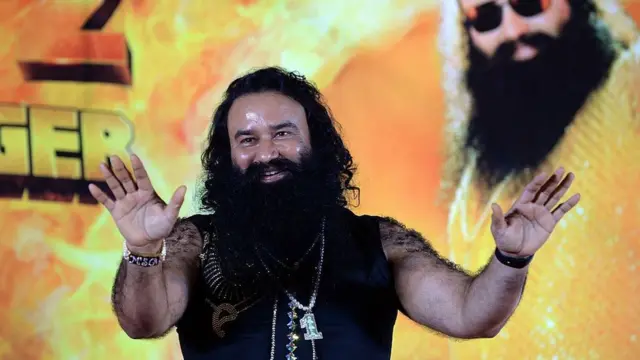
Gurmeet Ram Rahim Singh, the jailed chief of Dera Sacha Sauda, walked out of Sunaria jail in Rohtak on Monday after being granted a 40-day parole, his 15th release from prison since his 2017 conviction for raping two followers.
Singh, who is serving a 20-year sentence, will spend the parole period at the sect’s Sirsa headquarters in Haryana, according to Jitender Khurana, advocate and spokesperson for the Dera.
A pattern of repeated releases
The latest parole comes just months after earlier temporary releases, reinforcing concerns over the frequency with which Singh has been allowed out of jail.
Since 2020, Singh has spent at least 344 days outside prison on parole or furlough, a figure that has repeatedly drawn criticism from opposition parties, civil rights groups, and religious organisations.
His most recent releases include:
-
21-day furlough in April 2025
-
30-day parole in January 2025, shortly before the Delhi Assembly elections
-
20-day parole in October 2024, ahead of the Haryana Assembly polls
Convictions and legal background
Singh was convicted in 2017 for sexually assaulting two disciples, a verdict that triggered violent unrest across Haryana and Punjab. In 2019, he and three others were also convicted in the murder of journalist Ram Chander Chhatrapati, who had written about alleged abuses inside the sect.
In May 2024, the Punjab and Haryana High Court acquitted Singh in a separate 2002 murder case of former Dera manager Ranjit Singh, citing a deeply flawed investigation. That acquittal does not affect his rape convictions or the journalist murder case.
Political and religious backlash
The Shiromani Gurdwara Parbandhak Committee and other Sikh bodies have repeatedly objected to Singh’s paroles, arguing that such releases undermine the seriousness of crimes involving sexual violence and murder.
Opposition leaders have also questioned why Singh’s paroles often coincide with election periods, alleging political considerations rather than purely humanitarian grounds.
In earlier instances, authorities imposed restrictions on his movement and speech, including Election Commission orders barring him from addressing followers during polling phases.
Influence of the Dera
The Sirsa-based Dera Sacha Sauda commands a large following across Haryana, Punjab, Rajasthan, and parts of Uttar Pradesh. In Haryana alone, the sect has a strong presence in Sirsa, Hisar, Fatehabad, Kaithal, and Kurukshetra, making its leader a politically sensitive figure.
Many of Singh’s previous paroles were spent at the Dera’s Barnawa ashram in Uttar Pradesh, where he appeared in videos and religious broadcasts that went viral online.
Why this matters now
The latest parole once again raises uncomfortable questions about:
-
Consistency in parole policy
-
Equal treatment of convicts
-
Institutional accountability in high-profile cases
-
The message sent to survivors of sexual violence
Legal experts note that while parole is a statutory right under certain conditions, its repeated use in one high-profile case demands greater transparency.
What to watch next
-
Whether fresh legal challenges or public interest petitions are filed against the parole
-
Any conditions imposed on Singh’s public activity during the 40 days
-
Broader debate on reforming parole and furlough rules for serious offenders