
Government Pledges Stronger Surveillance, Labs to Tackle Influenza Ahead of Peak Season
The Union government has reiterated its commitment to strengthening influenza preparedness by integrating disease surveillance systems and enhancing laboratory capacities, the Ministry of Health and...
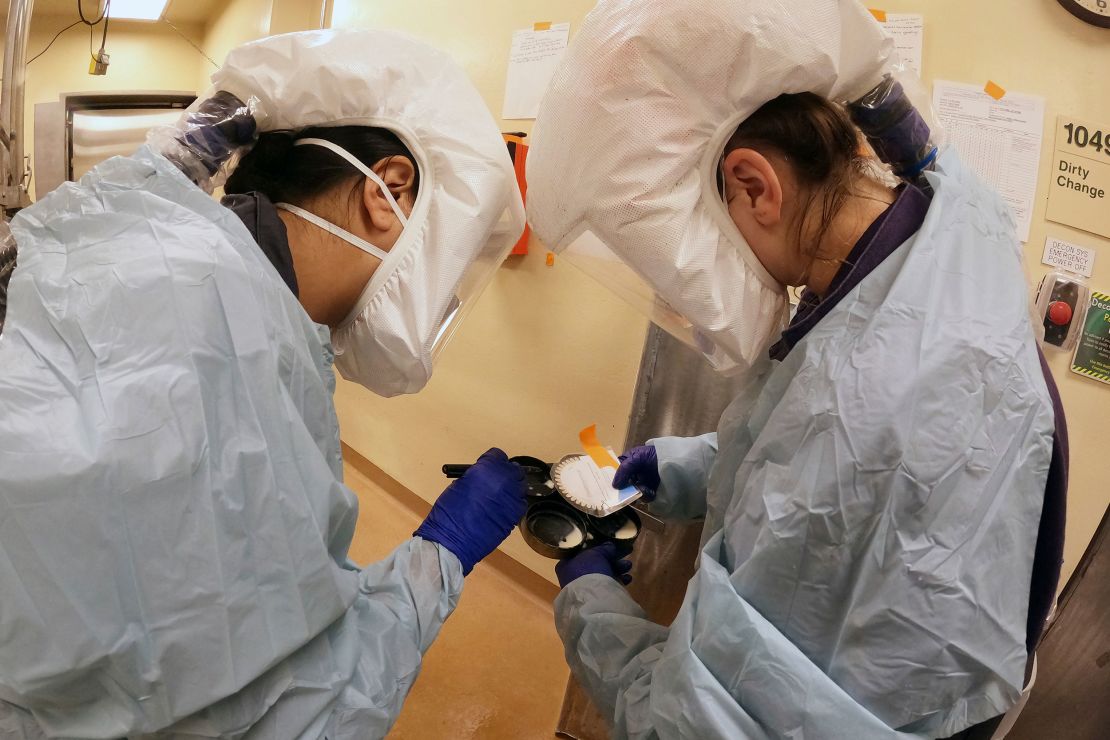
The Union government has reiterated its commitment to strengthening influenza preparedness by integrating disease surveillance systems and enhancing laboratory capacities, the Ministry of Health and Family Welfare said on Tuesday.
The assurance came at the conclusion of a two-day “Influenza Chintan Shivir” organised by the National Centre for Disease Control (NCDC) in collaboration with the World Health Organization (WHO) in New Delhi from December 22 to 23. The high-level meeting was aimed at reviewing India’s readiness to manage seasonal and zoonotic influenza threats ahead of the upcoming flu season.
Focus on Preparedness and Early Response
According to the Health Ministry, the deliberations highlighted the need for a coordinated, multi-sectoral approach to influenza preparedness, with emphasis on early detection and timely response.
“Participants underscored that preparedness for influenza must be backed by strong inter-sectoral convergence, improved surveillance systems, enhanced laboratory capacity, and robust clinical preparedness,” the ministry said in an official statement.
The discussions covered both seasonal influenza, which recurs annually, and zoonotic influenza strains that can spill over from animals to humans, posing the risk of wider outbreaks.
Influenza Preparedness Checklist Finalised
One of the key outcomes of the Chintan Shivir was the development of a structured influenza preparedness checklist designed to support planning at the central, state, and district levels.
The checklist spans four critical domains:
-
Surveillance, early warning, and risk assessment
-
Strengthening of laboratory systems
-
Hospital preparedness and clinical response
-
One Health coordination, risk communication, and community engagement (RCCE)
Health officials said the checklist would serve as a practical tool to standardise preparedness efforts and identify gaps before outbreaks escalate.
Emphasis on One Health and Whole-of-Government Approach
The meeting concluded with a consensus on adopting a “whole-of-Government” and “One Health” approach, recognising the interconnectedness of human, animal, and environmental health.
“The Chintan Shivir reaffirmed India’s commitment to coordinated national action to prevent, detect, and respond effectively to influenza and other respiratory viral threats,” the ministry said.
As part of this approach, ministries agreed to strengthen integrated surveillance across human, animal, and wildlife sectors; expand laboratory and genomic sequencing capabilities; improve timely data sharing; and align sector-specific action plans with the national pandemic preparedness framework.
Broad Participation Across Sectors
The event saw participation from around 100 experts and officials representing multiple ministries, including health, animal husbandry, agriculture, and environment. Senior representatives from state governments, leading research institutions, and international partners also took part.
Health officials said the broad-based participation reinforced India’s commitment to preparedness through collaboration, learning from the COVID-19 experience, and building resilient systems capable of responding to future respiratory disease threats.
With influenza continuing to pose a recurring public health challenge, authorities said the outcomes of the Chintan Shivir would help strengthen India’s readiness and reduce the impact of future outbreaks.