
GLP-1 Weight Loss Drugs: Nausea, Vomiting, and Thyroid Cancer Risks Examined
Review highlights adverse effects of popular GLP-1 receptor agonists like semaglutide.
Top Summary
- What happened: A review article summarized the adverse effects associated with GLP-1 receptor agonists (GLP-1RAs) and dual incretin receptor agonists like tirzepatide.
- Why it matters: GLP-1RAs are widely used for weight loss and glycemic control, but understanding their side effects is crucial for patient safety.
- What changes for people: The review highlights potential risks, prompting increased awareness and cautious use of these medications, especially for vulnerable populations.
- Who is affected: Individuals using GLP-1RAs for diabetes and weight management, as well as healthcare providers prescribing these medications.
Understanding GLP-1RA Risks
A recent review in the Journal of Clinical Investigation examines the adverse effects of glucagon-like peptide-1 receptor agonists (GLP-1RAs) and dual incretin receptor agonists like tirzepatide.
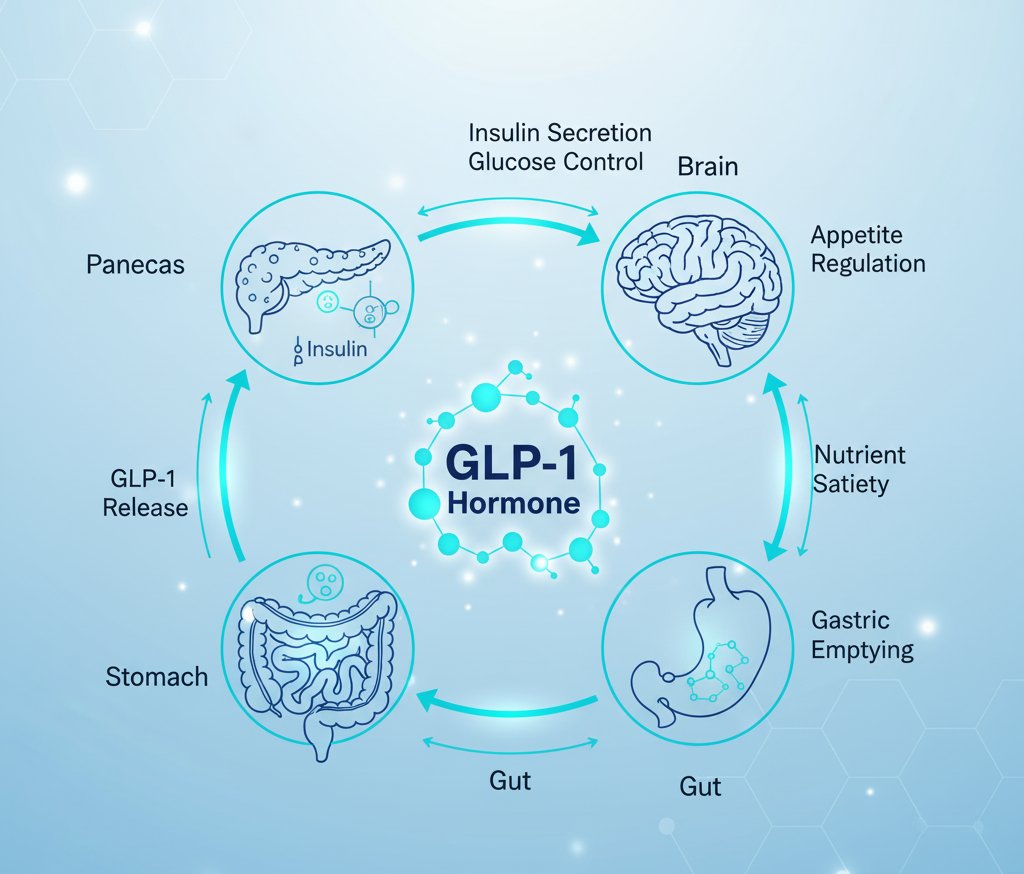
GLP-1RAs target the GLP-1 receptor (GLP-1R), found in the brain, pancreas, and gastrointestinal tract, to lower blood sugar and promote weight loss.
However, GLP-1R stimulation can trigger adverse responses, which the review sought to summarize.
Gastrointestinal and Pancreatic Concerns
Gastrointestinal issues are the most common side effects of GLP-1RAs.
A review of 39 randomized controlled trials (RCTs) showed increased risks of vomiting, nausea, constipation, and diarrhea in non-diabetic individuals.
Another review of 38 RCTs involving T2D patients observed nausea in 19% of participants and vomiting in 7.6%.
Tirzepatide, a co-agonist of the GIP receptor and GLP-1R, demonstrates greater efficacy for weight loss but has a similar adverse event profile.
A large cardiovascular outcomes trial found higher rates of vomiting, diarrhea, and nausea in tirzepatide recipients compared to those taking a selective GLP-1RA.
Some analyses suggest an increased risk of biliary disease, particularly cholelithiasis, with GLP-1RA therapy.
Concerns regarding acute pancreatitis and pancreatic cancer have largely been alleviated by long-term randomized trials.
Thyroid Cancer Risk
Concerns about medullary thyroid carcinoma emerged from rodent studies showing increased calcitonin secretion and C-cell growth after liraglutide treatment.
Data from France suggest a higher risk of medullary thyroid carcinoma in people treated with GLP-1RAs compared to other glucose-lowering agents.
A meta-analysis also reported diagnoses of medullary thyroid carcinoma in patients taking GLP-1RAs, reinforcing the at-risk status as a contraindication to GLP-1RA treatment.
Absolute event numbers remain low, and findings for other thyroid cancer subtypes are inconsistent.
Ocular and Psychiatric Safety Signals
Retinopathy and neuropsychiatric outcomes have generated additional safety discussions.
Semaglutide treatment increased retinopathy complications in a cardiovascular outcomes trial.
One cohort study reported a higher risk of non-arteritic anterior ischemic optic neuropathy (NAION) in individuals prescribed semaglutide.
A large retrospective study found a two-fold increased risk of anxiety and suicidal behavior and a three-fold increased risk of major depression among GLP-1RA users.
Conversely, some studies report decreased depression risk with GLP-1RA use.
“Given the widespread use of GLP-1RAs and other incretin-based agents for obesity and T2D, comprehensive evaluation of even common GI adverse effects remains limited.”
Risk–Benefit Assessment and Pharmacovigilance Needs
Improved pharmacovigilance and standardized adverse event reporting would enhance understanding of risk-benefit profiles.
- Particular attention is warranted for diverse populations, including:
- Older adults
- Individuals with advanced renal disease
- Pregnant patients
- Those at risk of lean mass loss during rapid weight reduction.
What to Watch Next
Future research should focus on clarifying the causality of ocular and psychiatric adverse events. Further studies are also needed to assess the long-term safety and efficacy of GLP-1RAs in diverse populations to optimize their risk-benefit profile.