
Gen Z voices push back after Honey Singh defends explicit stage remark
• What happened: Honey Singh faced backlash following a Delhi concert remark about sexual activity during winter.• Why it matters now: The controversy has sparked...
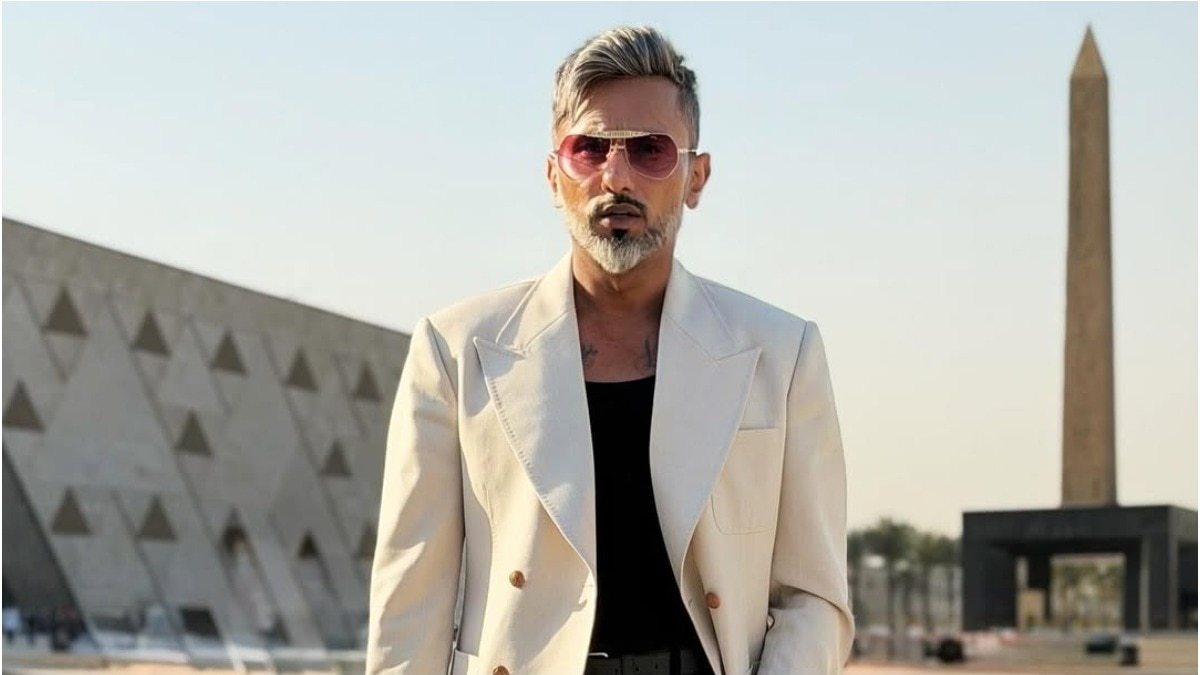
• What happened: Honey Singh faced backlash following a Delhi concert remark about sexual activity during winter.
• Why it matters now: The controversy has sparked a wider debate on how Gen Z engages with sex education and pop culture.
• What changes for people: The pushback highlights a shift toward healthier, more respectful conversations around intimacy.
• Who is affected: Young audiences, parents, educators and the digital entertainment community.
A clip from Honey Singh’s recent concert in Delhi triggered an online storm after the singer referenced sexual activity during winter and urged “safe” practices. The explicit tone of the remark drew criticism across platforms, prompting the artist to issue an apology video while suggesting that his style was aligned with what he believed Gen Z responds to.
The incident matters because it reflects a changing moment in India’s cultural conversation. Young audiences consume unprecedented volumes of entertainment online, yet there is growing discomfort with what critics call gratuitous vulgarity masquerading as awareness. The backlash signals that the demographic Singh sought to appeal to may not share his premise.
Background: How the controversy escalated
The video from the Delhi event spread rapidly on social media. In the clip, Singh joked about sexual activity in cars during winter before advising attendees to practice safe sex. Online commentators called out what they viewed as objectifying language and an unnecessary sexualised performance, especially in a mixed-age environment.
Within days, Singh posted an apology on Instagram, explaining that he had spoken to gynaecologists and sexologists who allegedly told him that unsafe sexual behaviour was rising among young people. Using that rationale, he defended his tone as educational and relatable to younger audiences.
Why the pushback is significant
Several young commentators and writers have since argued that sex education does not require shock value. One of the strongest criticisms has come from Gen Z voices who insist that respectful, medically accurate information is more helpful than crude jokes from celebrities.
Health professionals interviewed by mainstream outlets have also explained that clinical sex education cannot be effectively replaced by influencers, concerts or casual commentary. They note that India still lacks structured sexual health education and that public figures have a responsibility to communicate with care when addressing sensitive topics.
Experts weigh in on sexual health communication
According to clinicians in urban sexual health centres, the rise in sexually transmitted infections among young patients is linked to limited access to reliable information, not a lack of vulgarity in entertainment. Specialists emphasise that evidence-based sex education helps reduce stigma, increases condom use and boosts awareness around consent and emotional wellbeing.
Digital culture researchers add that Gen Z consumes educational content differently, often preferring credible sources, mental health framing and fact-checked resources over performative celebrity statements.
A broader cultural shift underway
The Honey Singh episode arrives at a time when Indian entertainment is rapidly evolving. Streaming platforms, campus organisations and youth-led mental health collectives are actively pushing for more responsible representation of intimacy. This shift could influence future decisions by event organisers, artist managers and brands that target younger consumers.
For now, Singh’s apology has tempered some of the anger online, but the debate around what responsible sex communication looks like will likely continue, especially as global pop culture mixes with India’s complex social norms.