
Finland PM Suggests India Could Mediate Iran-US Conflict, Ease Oil Tensions
Finland's PM proposes India's intervention in the Iran-US-Israel conflict amid rising oil prices.
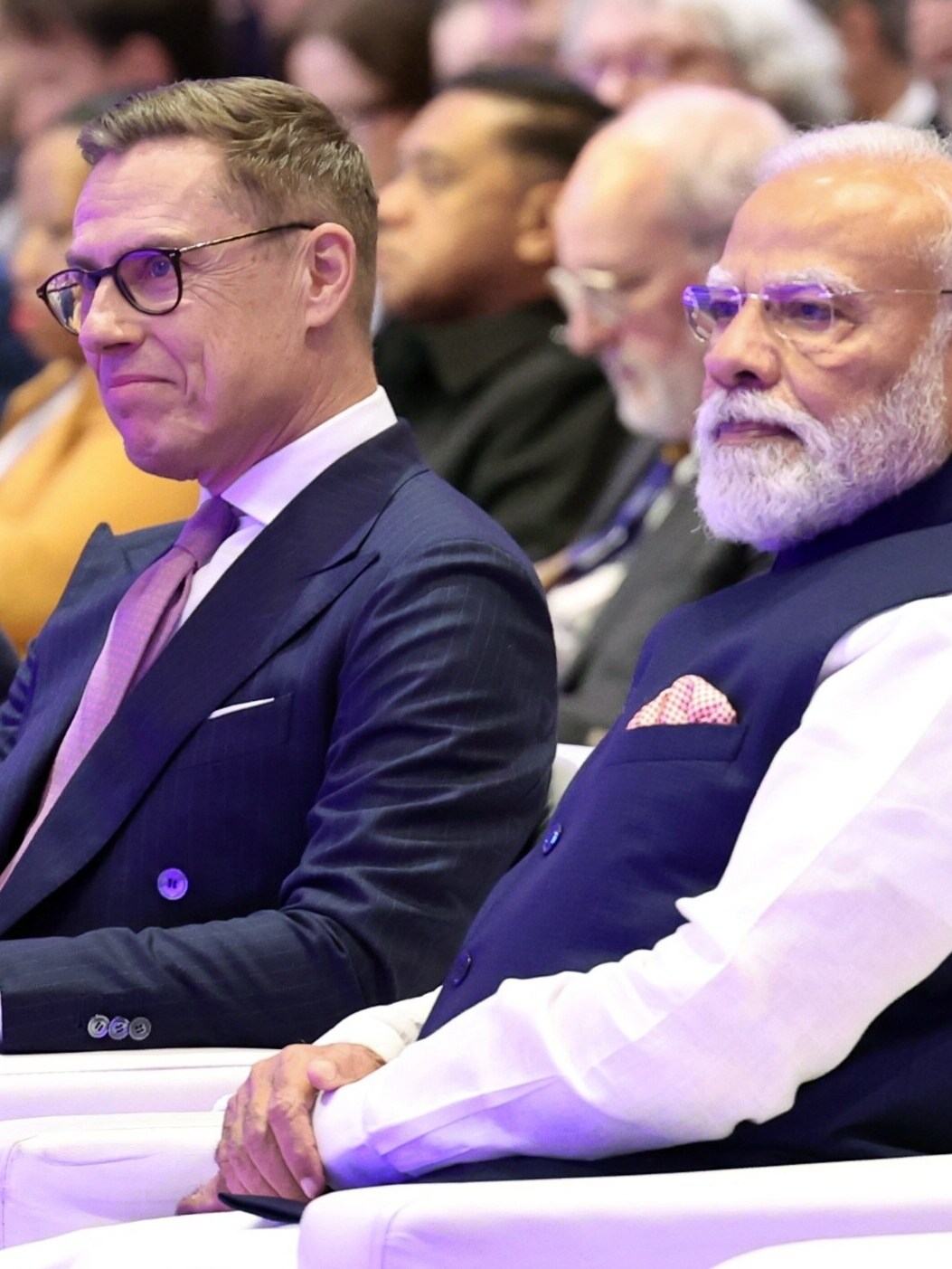
Top Summary
- What happened: Finland's Prime Minister Alexander Stubb has suggested that India could play a role in de-escalating the conflict between Iran, the US, and Israel.
- Why it matters: The conflict threatens global energy supplies due to the potential blockade of the Strait of Hormuz, a crucial oil passage.
- What changes for people: Potential intervention could stabilize oil prices and ensure the safe passage of ships through the Strait of Hormuz.
- Who is affected: Asian nations like India, Japan, Korea, China, and Thailand are heavily reliant on the Strait of Hormuz for energy supplies.
India as a Potential Mediator
Finland Prime Minister Alexander Stubb called for a ceasefire between Iran, the US, and Israel during a Bloomberg Television interview.
He questioned whether Europe or India could facilitate this peace process, highlighting the complex three-cornered nature of the conflict.
Stubb referenced External Affairs Minister (EAM) S Jaishankar's previous calls for a ceasefire and negotiations.
Strait of Hormuz Concerns
The Finnish PM's remarks come amid escalating tensions and concerns about the Strait of Hormuz, through which a fifth of the world's oil passes.
Stubb urged NATO allies to consider President Trump's call for assistance in securing the waterway.
US Energy Secretary Chris Wright also hinted at India's potential role in securing the Strait of Hormuz.
Jaishankar's Engagement with Iran
Stubb's comments follow Jaishankar's discussions with his Iranian counterpart, Seyed Abbas Araghchi.
These talks resulted in the safe passage of some Indian-flagged ships through the Strait of Hormuz.
Jaishankar clarified that Iran received nothing in exchange for allowing the ships to pass.
"And this is a conflict that we regard as something very unfortunate," Jaishankar said regarding India's relationship with Iran.
India's Energy Security
Wright emphasized the dependence of Asian nations on the Strait of Hormuz for their energy needs.
"The world depends on the flows through Hormuz, and most importantly, the Asian nations — Japan, Korea, China, Thailand, India — a meaningful part of their total energy supply comes from the Strait of Hormuz," he said.
While ships from several countries remain affected, Iran claims the passage is only closed to US and Israeli vessels.
What to Watch Next
Monitor any official response from the Indian government regarding potential mediation efforts. The international community will be watching for any developments that may de-escalate tensions in the region and safeguard global energy supplies.